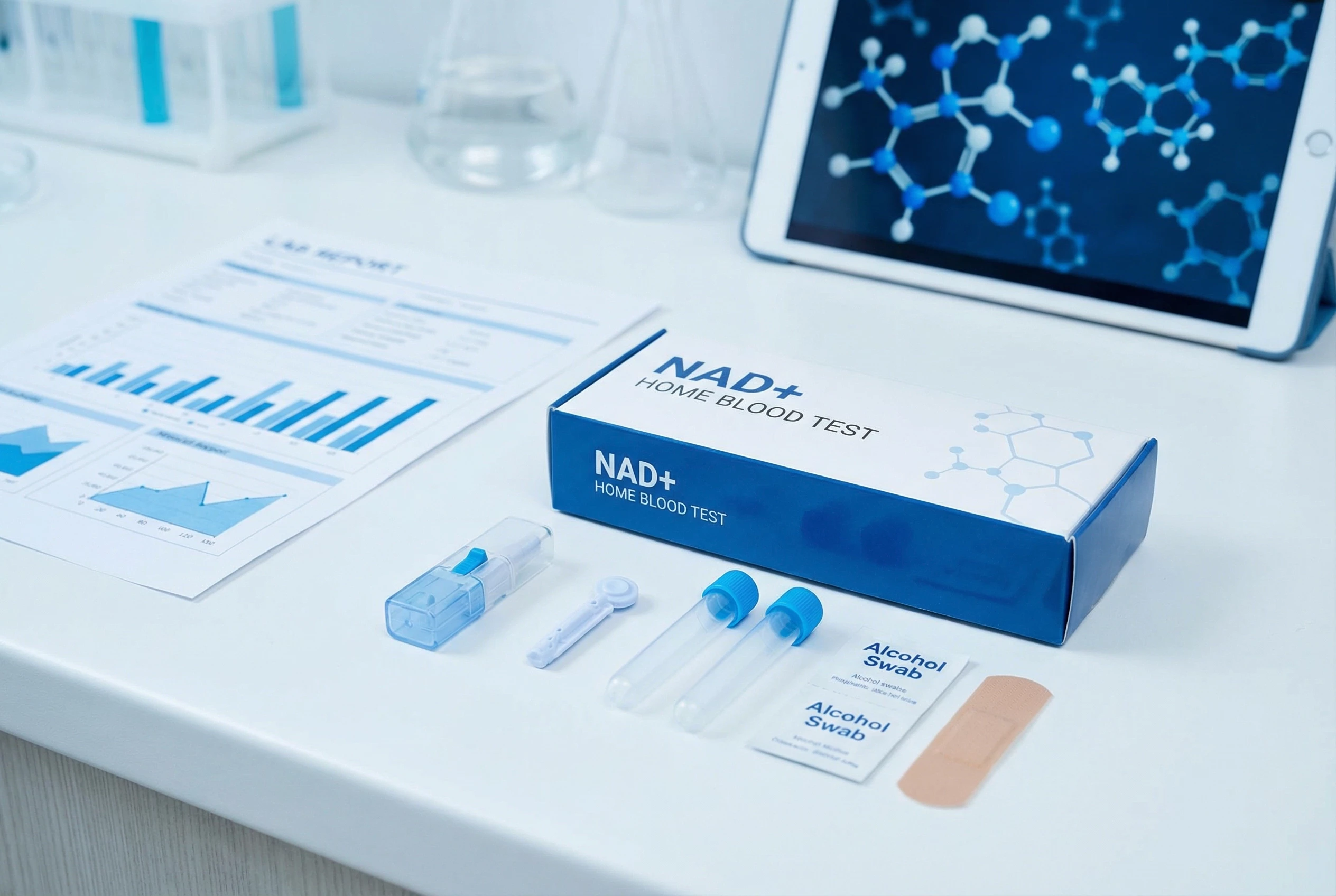

If you’ve been exploring longevity science or using nad supplements like NMN, you’ve probably wondered whether they’re actually working. That’s where the nad test at home comes in—a relatively new option that lets individuals measure their nicotinamide adenine dinucleotide nad levels without visiting a clinic.
NAD plays a crucial role in energy production, DNA repair, and cellular signaling. Research from 2018-2025 consistently shows that nad levels decline starting around age 20-30, dropping by 40-50% by middle age. This age-related decline has sparked interest among health-conscious adults seeking ways to monitor and support their cellular health.

It’s important to clarify upfront: NAD+ tests are informational tools, not diagnostic devices. They cannot diagnose, treat, or rule out any health conditions. If you’re experiencing symptoms like persistent fatigue or cognitive changes, consult a doctor—not just a test kit.
What Is NAD and Why Do Levels Matter?
Nicotinamide adenine dinucleotide exists in two primary forms: NAD+ (oxidized) and nadh (reduced). These forms interconvert during metabolic processes that power your cells. NAD+ serves as an electron acceptor in the mitochondrial electron transport chain, making it essential for ATP production—your body’s energy currency.
Beyond energy, NAD+ acts as a substrate for several enzyme families:
Sirtuins: Regulate gene expression and longevity pathways
PARPs: Involved in DNA repair mechanisms
CD38: A membrane enzyme that degrades NAD+ extracellularly
Approximately 90-95% of total NAD+ resides inside cells, with only trace amounts detectable in plasma. This distinction matters because blood-based measurements serve as proxies for systemic levels rather than direct tissue assessments.
Human studies demonstrate progressive NAD+ decline with age—up to 60-70% by age 60 in tissues like muscle, liver, and brain. Chronic stressors including poor sleep, excessive alcohol, metabolic diseases, and chronic inflammation can accelerate this decline.
There’s no universally agreed optimal NAD levels range yet. Different labs define their own reference intervals based on proprietary data. Low NAD+ is non-specific—symptoms like fatigue or brain fog have many potential causes, so results should be interpreted cautiously.
How NAD+ Testing Works: From Lab Methods to At-Home Kits
Traditional laboratory NAD+ quantification relied on invasive venous blood draws analyzed via liquid chromatography-mass spectrometry (LC-MS). While highly accurate, this method requires cryogenic storage and skilled technicians, limiting accessibility.
Research groups developed newer techniques between 2020-2025. Dried blood spot (DBS) assays revolutionized home nad testing by stabilizing NAD+ on filter paper via specialized fixation methods, preserving 85-95% integrity during room-temperature shipping.
Finger-prick capillary DBS methods using 10-20 µL of blood correlate strongly (r=0.92-0.98) with venous LC-MS in validation studies. These methods can track age-related decline and responses to NAD+ precursors—for example, 2-3x NAD+ elevation after 4 weeks of NR supplementation.
When you see “intracellular NAD test” in commercial language, it typically means the lab lyses red blood cells post-extraction to quantify NAD+ within cellular fractions, rather than measuring plasma alone.
Most home kits still send samples to a central CLIA-certified or accredited lab. The “at-home” part is collection, not analysis.
Types of NAD+ Tests You Can Use at Home
As of 2026, home NAD+ testing falls into three main categories based on sample type and logistics:
| Test Type | Sample Method | Shipping | Result Time |
|---|---|---|---|
| Dried Blood Spot (DBS) | Finger-prick onto card | Room temperature | 1-3 weeks |
| Intracellular NAD | Capillary blood in micro-tube | Often cold pack | 1-2 weeks |
| Bundled Profiles | DBS or micro-tube | Varies | 2-3 weeks |
| Dried blood spot kits use a lancet and collection card. They’re the most common option, offering straightforward shipping and reasonable turnaround times. |
Intracellular-focused tests prioritize measuring NAD+ inside blood cells (reported in pmol/10⁶ cells), while some kits measure total NAD (NAD+ plus nadh nadph nadp nicotinamide metabolites).
Direct in-home “instant” NAD+ meters—like glucose meters—are not yet mainstream or widely validated. True point-of-care devices lack FDA clearance as of early 2026.
Always verify that your kit is processed by a certified clinical lab (CLIA in the U.S. or equivalent accreditation elsewhere).
Step-by-Step: How to Do a Home NAD+ Blood Test
Here’s a practical guide to completing a typical 2026 at-home NAD+ capillary blood sample collection:
Preparation
Read all instructions before starting
Check kit expiry date
Register your kit online via QR code or portal
Confirm timing requirements (morning sample recommended by most labs)
Collection
Select middle or ring finger
Warm hands in 40°C water for 1-2 minutes
Cleanse finger with alcohol wipe and dry completely
Use spring-loaded lancet on finger side at 45° angle
Discard first blood drop
Application
Apply even drops filling 2-4 circles on the card (10µL each)
Avoid layering, smudging, or excessive squeezing
Air-dry card 2-4 hours horizontally, away from sunlight and heat
Shipping
Seal card in foil pouch with desiccant
Mail same or next business day via prepaid envelope
Expect results via secure portal in 7-14 days
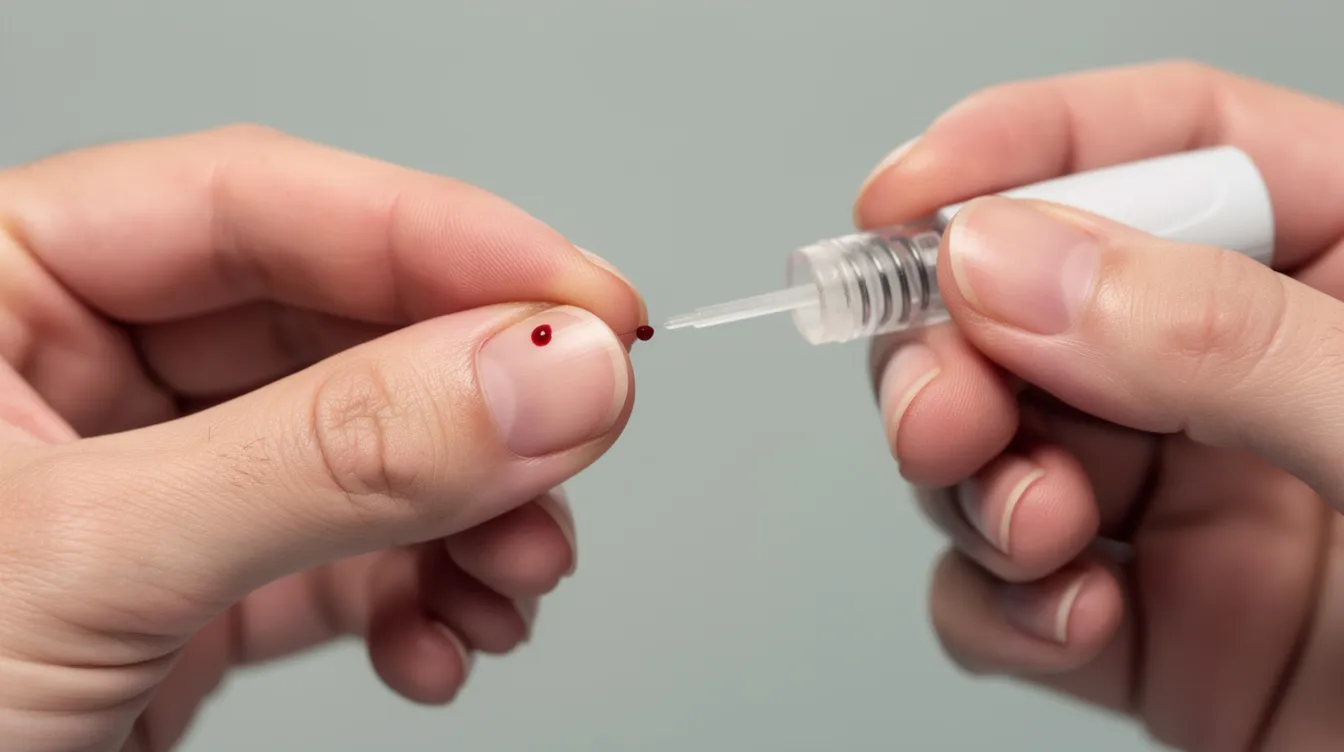
Common pitfalls include insufficient blood volume (causing 5-10% rejection rates) and delayed mailing (viability drops approximately 15% per week after 4 days).
When Should You Test? Baseline, Retesting, and Timing With Supplements
Establishing a baseline before starting any nad booster—whether NMN, NR, or lifestyle interventions—provides valuable insights for tracking changes over time.
Practical timing suggestions:
Baseline: Before starting supplementation
First retest: 4-8 weeks after stable daily dosage (studies show NR 300-1000mg/day raises blood NAD+ 40-150% by week 6)
Maintenance: Every 6-12 months if lifestyle and supplementation are stable
Avoid testing immediately after acute illness (NAD+ can dip 20-30%), major sleep disruption, jetlag, or intense overtraining. These can temporarily affect NAD+ dynamics.
For consistent results, take your usual supplement dose the day before and morning of testing. This reflects your “on-supplement” steady state rather than a depleted baseline.
How to Read Your NAD+ Test Results
A typical lab report includes:
Your measured value
Reference range (lab-defined)
Units (µM, pmol/10⁶ cells, or similar)
Sometimes age/sex percentiles
Different labs use different units and cut-offs, so values aren’t directly comparable across providers. Being below a reference range doesn’t automatically indicate disease; being above doesn’t guarantee better health.
What to track:
Your own trends over months
Testing method consistency
Diet, sleep, and supplement changes
Exercise patterns
Keep a simple log pairing NAD+ test dates with lifestyle factors: body weight, sleep duration, perceived energy, and supplements taken. Review results with a qualified health professional, especially if values fall significantly outside normal ranges.
What Can Affect Your NAD+ Levels? Lifestyle, Age, and Health Factors
Multiple risk factors influence NAD+ status:
Factors that may lower NAD+:
Aging (primary driver)
Chronic inflammation
Obesity and metabolic syndrome
Heavy alcohol use (can accelerate CD38-mediated degradation)
Sleep deprivation (disrupts circadian NAD+ salvage pathways)
Certain medications or chronic stress
Factors that may support NAD+:
Regular physical activity and resistance training
Diet quality with adequate B vitamins
Quality sleep (NAD+ may increase 10-15% with consistent 8-hour sleep)
Food sources containing NAD+ precursors
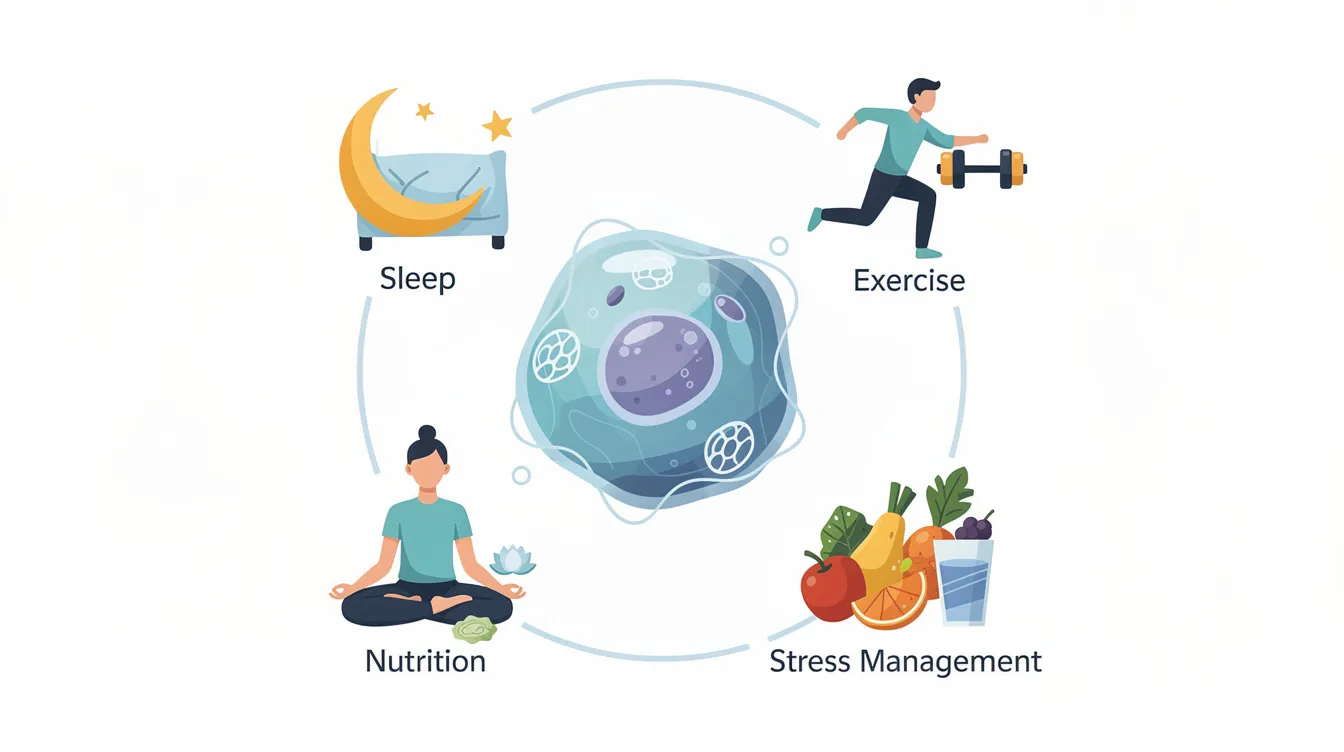
Remember: NAD+ levels represent one piece of a complex wellness puzzle. Consider them alongside other markers like lipids, glucose, and inflammatory markers when working with a clinician.
Limitations and Risks of At-Home NAD+ Testing
NAD+ is compartmentalized across mitochondria, nucleus, and cytosol. A single blood value may not perfectly reflect NAD+ status in your brain, muscle, or other organs. Research linking specific blood NAD+ ranges to longevity outcomes remains limited as of 2026.
Possible sources of error:
Inadequate blood volume
Improper drying
Delayed mailing
Extreme temperatures during shipping
Inter-lab variability (20-30% coefficient of variation across methods)
Personal risks to consider:
Anxiety from “abnormal” results
Self-adjusting supplement dosage to extremes without guidance
Ignoring symptoms requiring medical evaluation
NAD+ tests are not intended to diagnose any condition. Any concerning symptoms—chest pain, unexplained weight loss, neurological changes—require prompt medical care regardless of your NAD+ results. No test can substitute for clinical evaluation by doctors.
How NAD+ Testing Fits With Supplements and Longevity Strategies
Many consumers use NAD+ tests to evaluate responses to supplementation. A rise in blood NAD+ after starting NMN or NR demonstrates pharmacologic effect—but doesn’t automatically prove long-term health benefits or determine optimal dosage.
Coordinate any high-dose protocols with a healthcare professional who understands your medical history. This is especially important when combining multiple supplements.
Questions to consider before testing:
What decision will I actually change based on results?
Am I tracking enough context (sleep, diet, stress) to interpret trends?
Will I share results with a qualified professional?
Testing provides data points for more informed conversations with clinicians—not definitive answers about vitality or longevity.
Frequently Asked Questions About NAD+ Home Tests
Q: Does a finger-prick NAD+ test hurt? A: Minimally—comparable to a glucose test, typically rated 1-2 out of 10 on pain scales. The lancet prick is brief.
Q: Do I need to fast before testing? A: Most labs don’t require fasting, but recommend consistent morning timing. Check your specific kit instructions.
Q: Can I test while taking NMN or NR? A: Yes—testing while on supplements reflects your real-world steady-state levels. Take your usual dose unless otherwise specified.
Q: Are these tests available worldwide? A: Many company providers ship globally (UK, EU, Australia, U.S.), though availability and shipping costs vary by region. Visit provider websites for specifics.
Q: Can NAD+ tests diagnose fatigue or brain fog? A: No. These symptoms have multifactorial causes. NAD+ testing provides informational data, not clinical diagnoses. Contact a healthcare provider for symptom evaluation.
Q: How does hot or cold weather affect samples? A: Extreme temperatures can degrade samples. Use provided desiccants, ship promptly, and follow kit instructions carefully. Possibly avoid testing during heat waves without climate-controlled shipping.
Q: How often should I retest during major lifestyle changes? A: Every 4-8 weeks during active protocol adjustments; annually or biannually once stable.
Key Takeaways: Using NAD+ Testing Wisely in Your Longevity Journey
NAD+ testing offers emerging tools to measure aspects of cellular metabolism—not stand-alone health verdicts. Here’s what matters:
Baseline first: Establish your starting point before supplementation
Track trends: Your personal changes over time matter more than any single number
Context is everything: Integrate results with sleep quality, nutrition, exercise, and how you actually feel
Professional guidance: Discuss results with qualified clinicians, especially for concerning values
One data point: NAD+ testing is one resource among many—regular checkups, other lab analyses, and attention to symptoms remain essential
Use data to ask better questions about your health, not to chase perfection or extreme protocols. For Vitruvin readers exploring longevity strategies, NAD+ testing represents one valuable data point alongside thoughtful attention to the fundamentals of wellness.
Further Reading
Explore more articles related to this topic:
- How Long Does It Take to See Results from NMN?
- 7 Subtle Signs Your NMN Supplement Is Working
- NMN Dosage Chart: How Much Should You Take Based on Age and Weight?
- NMN Research Update 2026: What Recent Human Trials Tell Us About Reversing Biological Age
- What Is NAD+? The World’s Most Important Molecule Explained