
Proper storage can mean the difference between an effective supplement and expensive powder that’s lost its potency. If you’ve invested in NMN supplements, understanding how temperature, light, and moisture affect these molecules will help you get the most from your purchase.
Proper storage is crucial to maintain potency, especially as the NMN supplement market today is highly competitive, making quality and storage practices more important than ever.
Quick Answer: How Should You Store NMN Day to Day?
Most dry NMN powders and capsules remain stable at normal room temperature (around 20–25°C / 68–77°F) for short to moderate periods when kept in an airtight container, in a cool dry place, and away from kitchens, bathrooms, and windows. To ensure maximum efficacy, it is important to store nicotinamide mononucleotide properly, especially to prevent its degradation and conversion into nicotinamide. Refrigeration (around 2–8°C / 35–46°F) is recommended for long-term storage beyond a few months or in warm, humid climates—but always follow your manufacturer’s label instructions first.
High temperatures, moisture, and light are the main enemies of NMN’s stability and should be avoided. Once NMN is mixed with water or other liquids, its stability decreases markedly. Solutions are best used within hours at room temperature or within a few days if refrigerated. NMN can maintain full potency for at least three months when stored correctly, but its stability decreases when mixed with water.
Properly stored NMN maintains full potency for at least three months and generally has a shelf life of 12–24 months.
What Is NMN and Why Does Storage Matter?
What is NMN?
Nicotinamide mononucleotide (NMN) is a precursor to NAD+ (nicotinamide adenine dinucleotide), a coenzyme involved in cellular energy metabolism, DNA repair, and numerous biochemical reactions throughout the body. NMN is essential for cell production, DNA repair, and longevity-related pathways in the cells’ mitochondria. As a person ages, their NAD+ levels naturally decrease, which can lead to age-related health conditions. This article focuses specifically on physical stability and storage—temperature, light, and moisture considerations—rather than health claims or promises about specific outcomes.
Why Does Storage Matter?
NMN is chemically related to vitamin B3 compounds and can degrade over time into simpler molecules such as nicotinamide if poorly stored. Another NAD+ precursor, nicotinamide riboside, is often compared to NMN for its role in boosting NAD+ levels and is noted for its storage stability, but both compounds are important for supporting cellular health. The body can naturally produce NMN and NAD+ through diet and exercise, supporting healthy cells and energy production. NAD+ also interacts with a family of proteins, such as PARP, which are crucial for DNA repair and apoptosis. This family of proteins plays a significant role in maintaining genomic stability. Researchers working on NAD+ biology, including academics like David Sinclair, regularly store NMN and similar compounds under cold, dry, and dark conditions in laboratory settings to slow degradation. Consumer NMN products are usually formulated to be more stable than loose lab powders, but the basic principles remain similar. The history of NMN research shows that our understanding of its safety and efficacy has evolved, especially in the past few years, as more studies have confirmed its stability and potential benefits.
Understanding NMN Stability: Temperature, Light, and Moisture
NMN stability is fundamentally a chemistry question. NMN’s stability can be affected by environmental factors such as temperature, light, and moisture, making it crucial to understand how these conditions impact its chemical integrity. The rate at which NMN breaks down depends heavily on environmental conditions, and understanding these factors helps explain why storage matters.
Temperature
Temperature accelerates chemical reactions. Higher temperatures provide energy that promotes hydrolysis—the process where water molecules cleave NMN’s structure. Leaving a bottle in a hot car where temperatures can exceed 40°C (104°F) creates dramatically different conditions than a climate-controlled closet.
Light
Light, especially UV radiation, provides energy that breaks chemical bonds. This is why pharmaceutical companies use opaque or amber bottles rather than clear containers.
Moisture
Moisture acts as both solvent and reactant in degradation reactions. High humidity environments and direct water contact create conditions where NMN can quickly degrade into nicotinamide, which doesn’t provide the same NAD+-boosting pathway. Storing NMN in a stabilized form is important to prevent this degradation and maintain its effectiveness.
When NMN is dissolved in water, all three degrading influences become more important simultaneously. Solutions are inherently less stable than sealed, dry products. If NMN degrades into nicotinamide, this is undesirable because nicotinamide can inhibit sirtuins and PARP, which are important for cellular repair.
Best Practices for Storing Dry NMN (Powder, Capsules, Tablets)
Most readers use dry NMN supplements—capsules, tablets, or bulk powder—and these formulations are more stable than liquid forms when stored correctly.
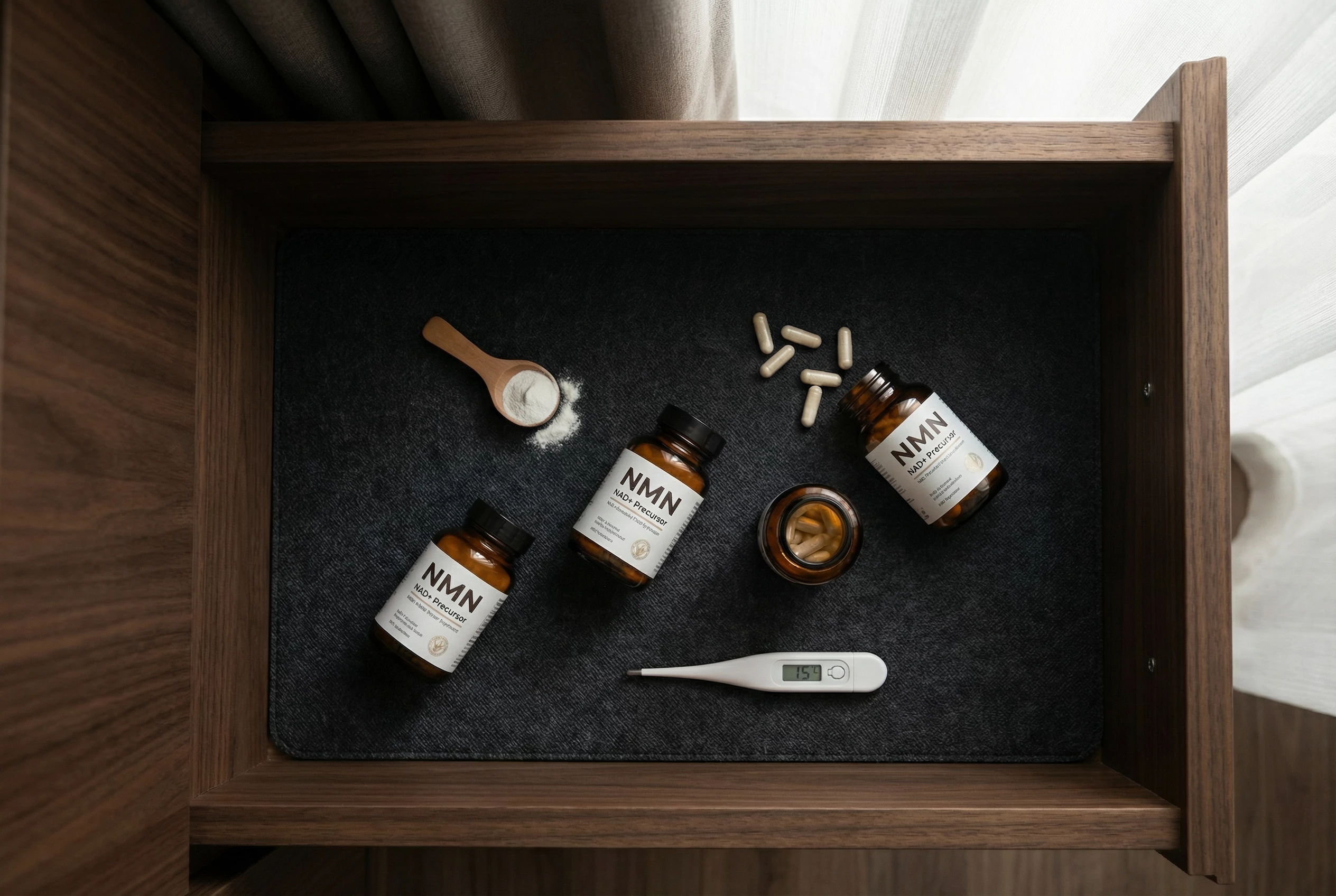
Temperature considerations. Keep NMN in a consistently cool place, ideally 15–25°C (59–77°F). A bedroom closet or desk drawer away from heating vents works better than bathroom or kitchen cabinets where temperatures fluctuate.
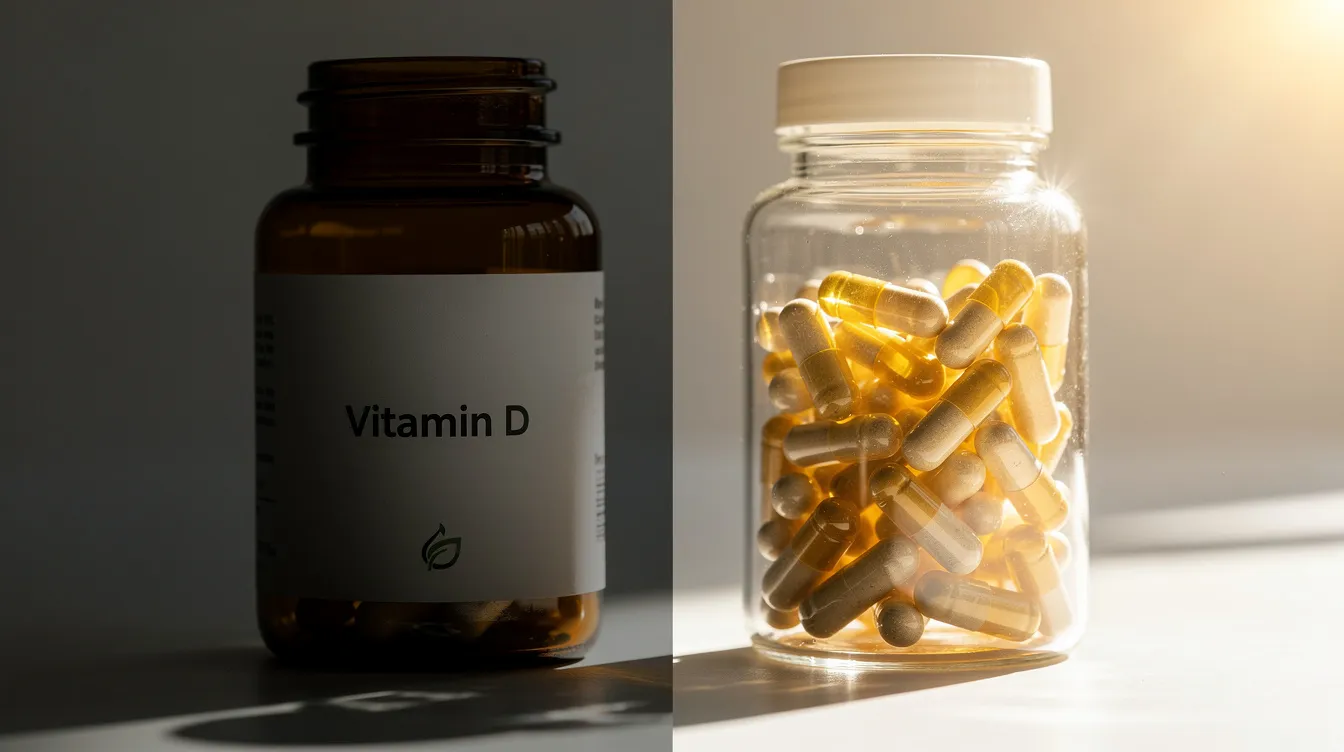
Light protection. Keep bottles in their original opaque or amber containers. Store them in a dark drawer or cupboard rather than on countertops exposed to sunlight.
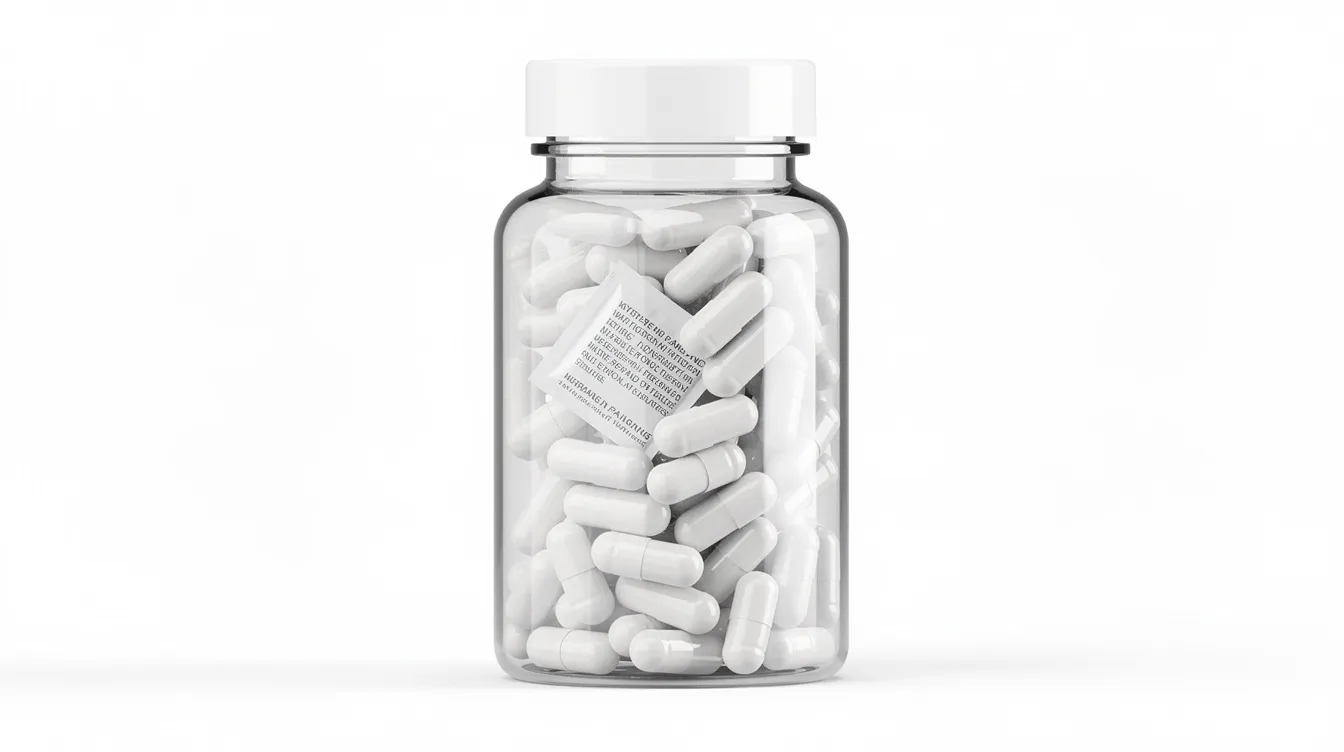
Moisture control. Avoid bathrooms, laundry rooms, or spaces above sinks where humidity fluctuates. Leave the desiccant packet inside the bottle if one is provided, and close the lid promptly after each use.
Shelf life expectations. Many manufacturers provide expiration dates assuming room-temperature storage in a dry, dark place. Unopened, properly stored NMN products often maintain full potency for 1–2 years from manufacturing, though you should rely on the specific date printed on your package.
Do you need to refrigerate sealed capsules? For many commercial products, refrigeration is optional rather than mandatory if your storage conditions are moderate. Consider refrigeration as a precaution in hot climates, homes without air conditioning, or if the product will sit for many months.
Refrigeration and Freezing: When Cold Storage Makes Sense
Scientific and industry practice often relies on refrigerated or frozen storage to slow degradation of bioactive compounds, including NMN and related molecules.
Refrigeration (2–8°C / 35–46°F) can substantially slow chemical breakdown compared with room temperature. Recent studies have shown that NMN is well tolerated even at high doses, but proper storage is still important to prevent degradation that could lead to unwanted effects. It is a common myth that refrigeration is universally required for all NMN supplements; in reality, some formulations are stable at room temperature if kept dry and sealed. Refrigeration makes sense if your home frequently exceeds 25–28°C (77–82°F) during summer, if the product will be stored for many months before use, or if the manufacturer explicitly recommends it. Keep the product in its original sealed bottle inside a dry portion of the fridge—not the door, which warms with frequent opening.
Freezing (around –18°C / 0°F) slows degradation even further. Laboratory-grade NMN powders are often stored in freezers for extended preservation. However, home freezers introduce practical issues: condensation when bottles are frequently moved in and out, fluctuating temperatures during defrost cycles, and moisture intrusion when opening cold bottles. Freeze only unopened containers and allow them to reach room temperature while still sealed before opening.
Temperature fluctuations matter. Repeatedly cycling between warm and cold conditions can be worse than maintaining a steady moderate temperature. Choose one consistent method—cool room storage or refrigeration—and stick with it.

Storing NMN in Liquid Form: Solutions, Drinks, and DIY Mixtures
Some people dissolve NMN powder in water or other liquids for convenience. This changes stability considerations significantly.
NMN in solution is generally less shelf stable than dry formulations. Water and dissolved oxygen facilitate degradation reactions. Light passing through clear glass or plastic accelerates breakdown, especially under sunlight. Higher temperatures increase reaction rates, so room-temperature solutions degrade faster than refrigerated ones.
Practical guidance for liquid storage:
If mixing NMN with water for immediate use, prepare it shortly before consumption—within the same morning.
If refrigerating a solution, use an opaque or amber container with a tight lid, label it with the date, and use it within several days rather than weeks.
Avoid leaving NMN solutions at room temperature all day in clear bottles exposed to light.
Don’t prepare large batches for long-term storage without specific stability data supporting that approach.
Commercially prepared liquid NMN formulations may include stabilizers or pH adjustments that improve stability compared with homemade mixtures. For such products, follow exact package instructions.
Packaging, Desiccants, and Practical Handling Tips
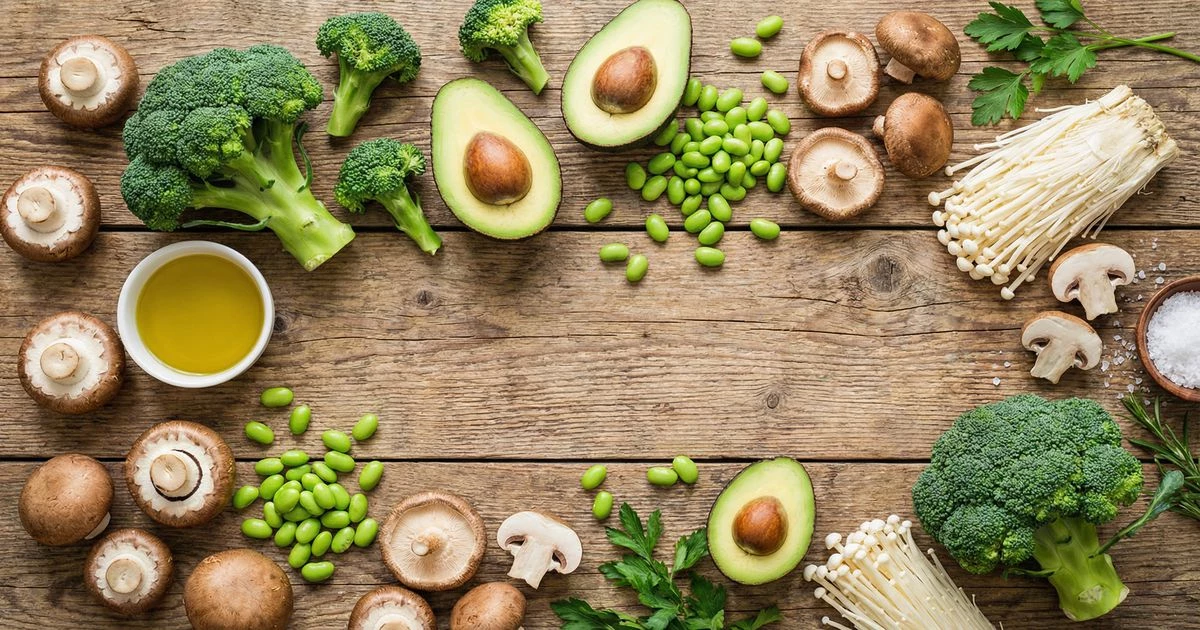
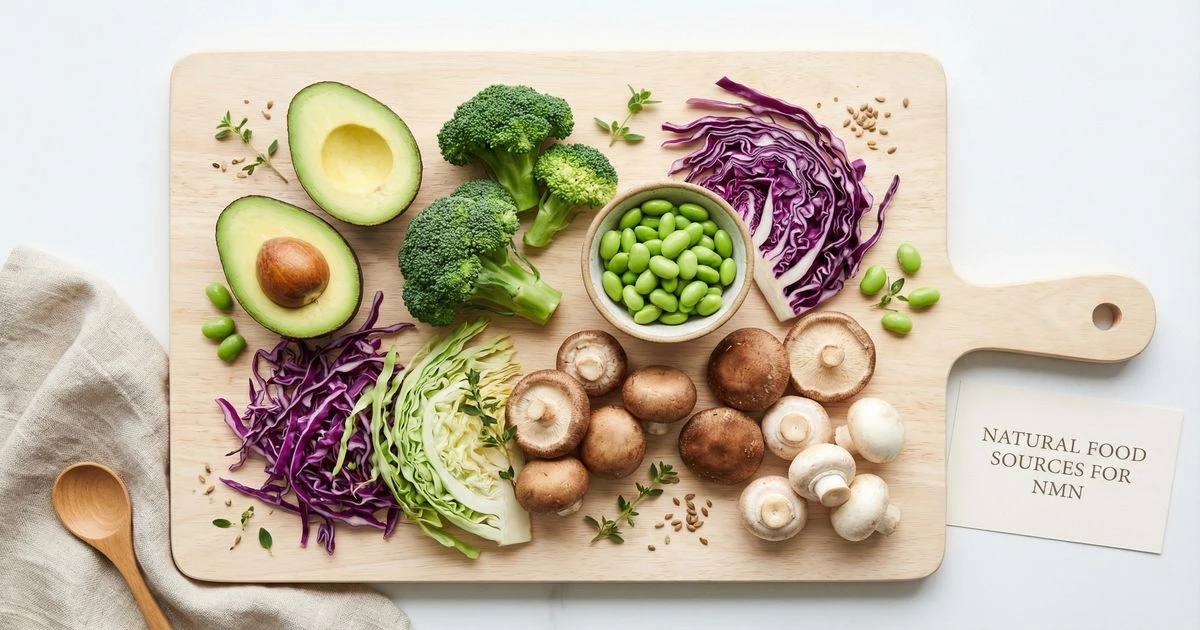
Packaging design is a key contributor to NMN stability, and how you handle the bottle day to day matters more than many people realize. While NMN can be found in certain foods—such as broccoli, edamame, and avocados—these foods contain much lower amounts compared to supplements, which provide a more concentrated source.
Common packaging types include opaque plastic bottles, amber glass bottles, blister packs, and resealable foil pouches. Opaque or amber materials reduce light exposure, while airtight seals limit moisture and air exchange.
Desiccant packets—those small packets labeled “Do not eat”—contain silica gel or similar drying agents. Leave these in the container throughout the product’s use period. If the desiccant becomes clumped or discolored, it may indicate repeated moisture exposure, and the product should be handled with extra caution.
Everyday handling tips:
Open the container only as long as needed; replace the cap firmly after each use
Avoid handling capsules with wet or sweaty hands
Don’t transfer NMN into unlabeled pill organizers for long-term storage—keep only a few days’ supply in organizers if needed
If NMN powder turns yellowish or brown, or develops a clumped texture, it indicates exposure to moisture or heat and loss of potency
Travel considerations. Store NMN in carry-on bags rather than hot car trunks or checked luggage subject to extreme temperatures. Use a small insulated pouch when traveling to warm destinations.
Benefits of Proper Storage: Why It Matters for Potency and Safety
Preserving Potency and Safety
Proper storage of NMN supplements is essential for preserving both their potency and safety. NMN molecules are sensitive to high temperatures, moisture, and light—factors that can cause them to quickly degrade into nicotinamide. This degradation not only reduces the efficacy of your supplements but can also inhibit key enzymes involved in DNA repair, such as sirtuins and PARP, which are vital for maintaining genomic stability and cellular health.
How Proper Storage Supports Supplement Effectiveness
Storing NMN in a cool, dry place—ideally in a refrigerator—helps slow down the degradation process and maintains the stability of the NMN molecules. As David Sinclair discusses, keeping NMN away from heat, moisture, and light is crucial for preserving its form and function, ensuring that you receive the full benefits of NMN supplementation. When NMN is stored correctly, it remains an effective NAD+ booster, supporting improved DNA repair, increased energy, and enhanced longevity.
Simple Steps for Maintaining Potency
By taking a few simple steps—such as using airtight containers, avoiding exposure to sunlight, and keeping your NMN supplements in a consistently cool environment—you can help maintain their potency and efficacy. This not only protects your investment but also ensures that you’re getting the essential molecules your body needs to support healthy aging and cellular function.
The Role of Nicotinamide Adenine Dinucleotide (NAD+) in NMN Supplementation
Nicotinamide adenine dinucleotide (NAD+) is at the heart of why NMN supplementation has become so popular in recent years. NAD+ is an essential coenzyme found in every cell of the body, playing a critical role in cellular metabolism, energy production, and DNA repair. As we age, NAD+ levels naturally decline, which has been linked to the onset of age-associated diseases, including Alzheimer’s disease and other conditions related to cellular aging.
NMN supplements work by providing the body with nicotinamide mononucleotide, a direct precursor to NAD+. By taking NMN, you can help replenish your body’s NAD+ stores, supporting essential processes like DNA repair and cellular energy production. This can contribute to improved longevity and may help ameliorate age-associated diseases.
While regular exercise and a balanced diet are important for maintaining NAD+ levels, NMN supplementation offers an additional way to support your body’s natural defenses against aging. To maximize these benefits, it’s important to store NMN supplements properly, ensuring that the active molecules remain stable and effective. By doing so, you help maintain the essential functions of NAD+ in your body, supporting overall health and vitality as you age.
Common Storage Mistakes and How to Avoid Them
Even the best NMN supplements can lose their potency if not stored correctly. One of the most common mistakes is keeping NMN in a warm or humid environment, such as a bathroom or near a kitchen stove. High temperatures and moisture can cause NMN molecules to degrade rapidly, reducing the effectiveness of your supplements. Another frequent error is exposing NMN products to direct sunlight, which can accelerate degradation and compromise stability.
To avoid these pitfalls, always store NMN in a cool, dry place—such as a refrigerator or a cupboard away from heat sources and windows. Use airtight containers to protect against moisture and air exposure, and keep the original packaging whenever possible, as it’s often designed to shield the product from light and humidity. Avoid transferring NMN into clear or unlabeled containers, which can increase the risk of light exposure and accidental misuse.
Choosing high-quality NMN products from reputable manufacturers who follow good manufacturing practices (GMPs) is also essential. This helps minimize stability issues encountered during storage and ensures you’re getting a supplement that will maintain its potency over time. By following these simple storage tips, you can help preserve the quality and efficacy of your NMN supplements, ensuring you receive the full benefits of NMN supplementation for your health and longevity.
Shelf Life, Expiration Dates, and Signs of Degradation
Shelf Life and Expiration Dates
Shelf life is determined through stability testing under specific storage conditions. Expiration or “best by” dates are based on those tests and indicate different things.
An “expiration” date signals a time after which the product isn’t guaranteed to meet label specifications. A “best by” date often indicates when peak quality is expected—after that time, some decline in potency may occur even if the product appears unchanged.
Most NMN supplements list shelf lives of 1–3 years from the manufacturing date when stored as directed. This varies by product, so rely on your specific package information. According to current studies, NMN is generally well tolerated, with a favorable safety profile, though more research is needed on long-term use. NMN has also been shown to improve cognitive function and memory retention in aged mice. Additionally, NMN can potentially promote overall longevity and improve metabolic health.
Signs of Degradation
Visible clumping, caking, or moisture beads inside the container
Significant color change from white to yellowish or brownish
Unusual odor compared with when first opened
Damaged packaging or broken seals
If you notice these changes, stop using the product and contact the manufacturer. Avoid assessing quality solely by taste or smell—these aren’t reliable indicators of chemical composition.
Check dates when purchasing to ensure ample remaining shelf life, and consider noting the opening date on the label to track how long the container has been in use.
Common Questions About NMN Storage
Do I have to keep NMN in the refrigerator?
Many dry formulas are designed for room-temperature storage if kept cool, dry, and dark. Refrigeration helps in hot climates or for long-term storage, but follow your label instructions first.
Will my NMN go bad if it’s shipped without ice packs?
Stability studies typically assume transit at standard ambient conditions for limited periods.
A few days in moderate temperatures is usually accounted for during product design.
Contact the seller if a package arrives unusually hot or damaged.
Can I store NMN in the bathroom medicine cabinet?
Bathrooms experience high humidity and temperature shifts from showers, which aren’t ideal for NMN stability. A dry, interior closet or drawer works better.
Is it safe to freeze NMN capsules?
Freezing unopened containers can slow degradation but may cause condensation issues when frequently opened.
Most home users do well with a cool, dark cupboard or refrigerator rather than a freezer.
What are the benefits of NMN supplementation?
Some people claim to notice benefits from NMN supplementation, such as increased energy or improved well-being, but current scientific evidence is limited.
More research is needed to confirm the safety and long-term efficacy of NMN.
Increasing NAD+ levels in the body may help stave off adverse effects caused by severe diseases such as diabetes and high blood pressure.
What happens if NMN turns into nicotinamide?
NMN can degrade into related vitamin B3 forms such as nicotinamide, reducing the amount of intact NMN. This is why careful storage matters for maintaining potency.
Raising the Right Questions: What We Still Don’t Know About NMN Stability
While general principles of chemical stability are well understood, public data on consumer-grade NMN stability across all possible storage conditions remains limited. Additionally, more research is needed to understand how NMN supplementation fits into overall nutrition and health strategies, as the scientific community continues to evaluate its role in broader nutritional contexts for health and longevity.
Questions worth considering: How do different formulations—pure powder versus mixtures with fillers or binders—affect stability at room temperature versus refrigeration? Which packaging types best minimize moisture and oxygen ingress over a year of daily opening? How much potency loss is typical during a hot summer without air conditioning? It is also important to note that NAD+ depletion has been associated with age-related diseases such as Alzheimer’s disease, highlighting the importance of ongoing research into NMN and its potential impact on these conditions.
Look for manufacturers who publish stability data under clearly described conditions and provide transparent explanations of their storage recommendations. Ongoing research may eventually offer more detailed guidance, including quantified degradation rates at specific temperature and humidity combinations.
Until more data emerges publicly, the safest practical approach remains minimizing heat, light, and moisture exposure while respecting product-specific guidance from manufacturers.
Further Reading
Explore more articles related to this topic: