
Nicotinamide mononucleotide (NMN) has captured significant attention in longevity research as a direct precursor to nicotinamide adenine dinucleotide (NAD+), a coenzyme essential for cellular energy production, DNA repair, and metabolic regulation. Boosting NAD+ through NMN supplementation is being studied for its potential health benefits, especially in the context of aging and age-associated diseases.
The answer depends entirely on what you mean by “results.” Are you looking for measurable changes in NAD levels in your blood? Improvements in laboratory markers? Or subjective effects like increased energy and better sleep? Each of these outcomes operates on a different timeline.
Most strong data come from animal studies and early human clinical studies, so it’s important to set realistic expectations. NMN is not a miracle anti-aging cure. This article walks through a science-based time course—hours, days, weeks, and months—plus the factors that influence how quickly different people might notice effects from NMN supplementation.

By middle age, NAD+ levels drop by roughly 50%, which is a key reason why NMN supplementation is being explored to help restore NAD+ and support healthy aging.
How NMN Works in the Body (Quick Science Overview)
Understanding how NMN functions inside the human body helps explain why results appear on different timelines for different outcomes.
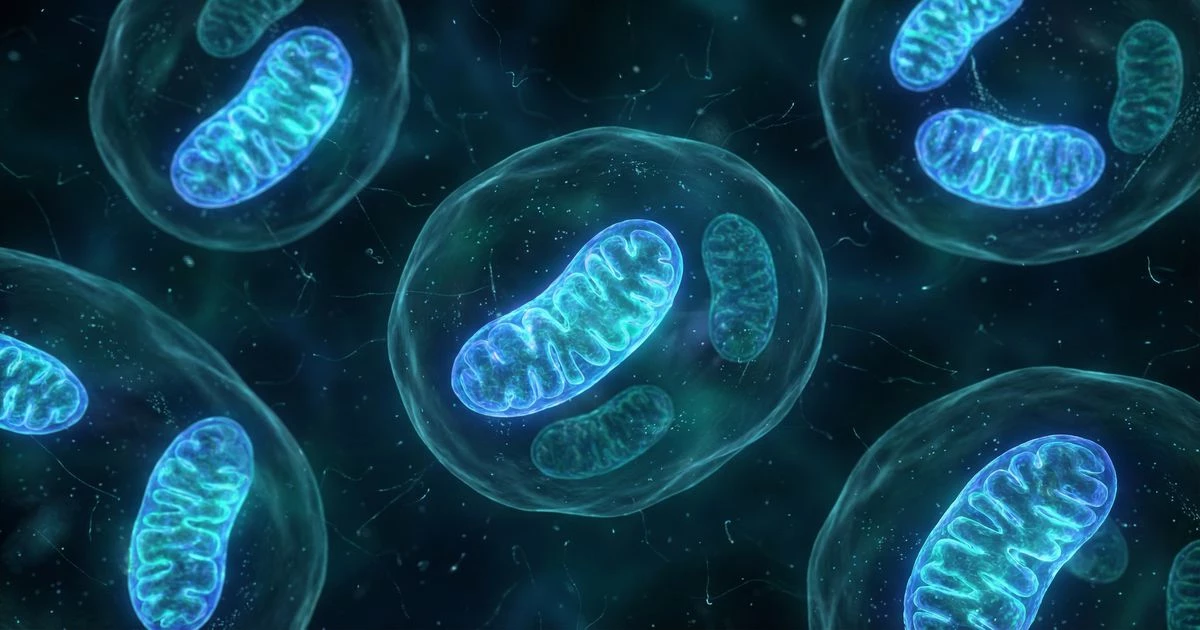
NMN serves as a direct precursor to NAD+, a coenzyme involved in over 400 biochemical reactions throughout tissues and cells. In humans, NAD+ powers the cell’s powerhouses (mitochondria), supports DNA repair enzymes like PARPs, and regulates sirtuins (SIRT1–SIRT7)—proteins heavily studied in aging biology.
Research published in Nature Metabolism in 2019 identified an intestinal transporter called Slc12a8 in mice, suggesting NMN can be rapidly absorbed from the gut and taken up by cells. While human relevance is still being clarified, this finding suggested a mechanism for how orally administered NMN might reach circulation efficiently.
Here’s the basic pathway:
NMN is synthesized from nicotinamide, which is a form of vitamin B3
NMN enters cells through transporters or after conversion
Inside cells, it’s converted to NAD+ via the salvage pathway
The enzyme NAMPT (nicotinamide phosphoribosyltransferase) plays a key role in this conversion
NAD+ then fuels mitochondrial function, activates sirtuins, and supports cellular repair
One reason NMN has attracted research interest is that NAD+ levels typically decline with age. Preclinical and limited human data suggest this decline can reach 50% or more by middle age in several tissues, which may contribute to age related decline in cellular function. This decline in NAD+ is associated with various age-related disorders, including metabolic disorders.
Timeline: When Do NMN Results Typically Show Up?
Different outcomes appear on different timelines. The ranges below are based on clinical and preclinical research, not guaranteed for everyone. Individual responses vary significantly based on age, health status, dose, and lifestyle factors.
When evidence comes from animal models rather than human trials, I’ll make that distinction clear. Let’s walk through what research suggests you might expect at each stage.

Within Hours: Early Changes in NAD+ Metabolites
Pharmacokinetic data from small clinical studies suggest that NMN, when administered orally at doses around 100–300 mg, is absorbed within a few hours. Multiple trials conducted between 2020 and 2022 in Japanese and US populations observed increased blood plasma NAD+ or related metabolites within hours to days after dosing. In animal studies, NMN is often administered via oral gavage, a method that delivers the compound directly to the stomach and demonstrates rapid absorption.
Key points about these early changes:
NMN appears to be rapidly absorbed through the small intestine
Measurable rises in plasma NMN and NAD+ metabolites occur within hours
NMN can also be converted by the body to nicotinamide riboside (NR), which then enters cells and is converted back to NMN
These are biochemical changes in blood, not necessarily noticeable subjective effects
Some people anecdotally report feeling “more alert” or “less fatigued” on day one. However, these subjective impressions have not been rigorously quantified in large controlled trials with a placebo group. At this early stage, any “result” is best thought of as a lab measurement—not a visible anti-aging effect.
First Few Days: Stabilizing NAD+ Levels
With repeated daily dosing (for example, 250–500 mg/day) over several days, NAD+ levels likely maintain higher turnover, as suggested by small clinical trials in healthy adults.
What the research shows:
Blood NAD+ or related metabolites remain measurably higher after a week of supplementation compared with baseline or placebo in some studies
Early cellular responses, such as changes in gene expression related to mitochondrial function, may begin during this period (based largely on cell and animal data)
Most people will not see obvious external changes in skin, body composition, or physical activity performance within the first week
Effects at this stage are largely microscopic and biochemical. Cell membranes and cellular pathways are responding, but you won’t see dramatic visible changes yet.
Practical tip: Consider starting a “results journal” or tracking app from day one to note subtle changes in sleep, energy, or exercise recovery. Be aware that placebo effects are possible—having written records helps you evaluate changes more objectively over time.
3–4 Weeks: Laboratory and Early Functional Changes
Around four weeks is when several human trials and clinical studies have reported clearer lab-based changes from NMN supplementation.
In a 60-day multicenter clinical trial involving 80 middle-aged healthy adults, participants receiving 300 mg, 600 mg, or 900 mg NMN daily showed statistically significant increases in blood NAD+ concentrations as early as day 30 (all p ≤ 0.001 compared to baseline and placebo). The highest NAD+ levels occurred in the 600 mg and 900 mg groups. Additionally, a clinical study found that oral supplementation with NMN at a dose of 250 mg per day increased NAD+ levels by 40% after 30 days of consistent use.
What you might observe at this stage:
| Outcome Type | What Research Shows |
|---|---|
| Blood NAD+ levels | ~40% or greater average increase vs. baseline in some studies |
| Subjective fatigue | Some participants report improvements, but not consistently measured across trials |
| Exercise tolerance | Some report feeling slightly better during workouts |
| Metabolic markers | Modest changes in blood glucose or lipids may appear, depending on baseline health |
| Visible anti-aging effects like reduced wrinkles, hair changes, or major weight shifts are unlikely after just one month based solely on NMN. Lifestyle factors remain far more impactful at this stage. |
This is a reasonable check-in point: assess whether you notice any sustained changes and, in collaboration with a healthcare professional, decide whether to continue. Users may start to notice the effects of NMN supplementation within one to three weeks, with more profound changes expected around the three to four month mark.
6–8 Weeks: Muscle and Skin-Related Outcomes in Small Trials
Several small randomized trials have used 6–8 week timelines to study physical performance and skin-related markers, typically in older or middle-aged adults.
Evidence from these studies suggests:
Physical performance: Around 6 weeks of 250–600 mg/day NMN has, in some studies, modestly improved measures like walking distance or lower-limb skeletal muscle performance. In the multicenter trial, six-minute walking test distances improved significantly in treated groups versus placebo at both day 30 and day 60.
Skin markers: About 8 weeks of 300 mg/day NMN in postmenopausal women has been associated with reductions in advanced glycation end products (AGEs)—compounds linked with skin elasticity decline and tissue stiffness.
These studies are small, often involving only tens of participants, and should be interpreted as preliminary rather than definitive proof of broad anti-aging effects.
In this window, some people may begin to notice:
Slightly easier exercise or shorter recovery time
Possible changes in perceived skin texture
Small shifts in stamina during daily activities
Such changes, when present, tend to be subtle and may also be influenced by concurrent exercise, diet, sleep, and other supplements.
10–12 Weeks and Beyond: Metabolic and Physical Function Markers
Many human NMN studies run for about 10–12 weeks to evaluate metabolic health and functional outcomes. This timeframe allows researchers to assess longer periods of supplementation.
Notable findings from longer trials:
Insulin sensitivity: A small clinical trial in overweight or prediabetic postmenopausal women found that 250 mg/day NMN for 10 weeks improved insulin sensitivity in skeletal muscle. Interestingly, this occurred without large changes in overall blood NAD+ levels or weight, suggesting possible increases in NAD+ “turnover” rather than a dramatic concentration elevation.
Physical function in elderly: A 12-week study in elderly Japanese adults (65+ years) receiving 250 mg NMN found reduced overall drowsiness and improved muscle responsiveness, particularly when dosed in the afternoon. Walking distance improvements were also observed in some older male participants across similar trial lengths.
In this 3-month range, people who respond may notice:
Improved walking speed or endurance
Slight improvements in exercise performance tests
Better perceived recovery, particularly in older or less active individuals
Strong claims about overall longevity or disease prevention in humans cannot be made at this point. Existing evidence supports modest functional and metabolic changes, not dramatic reversal of aging.
Practical recommendation: Three months is a reasonable minimum trial period for someone (under medical guidance) to evaluate whether NMN seems helpful for their goals. Track objective measures like step count, sleep duration, and consider periodic lab tests when appropriate.
What Influences How Fast You See NMN Results?
Response to NMN is highly individual and depends on biology and lifestyle. This variability helps explain why some people report changes in weeks and others in months—or not at all.
Age
Older adults with lower baseline NAD+ may exhibit more noticeable changes, particularly in muscle performance
Younger, healthy people may see smaller or less perceptible effects since their NAD+ levels haven’t declined as much
Baseline Health and Metabolic Status
People with impaired metabolic health (such as insulin resistance or metabolic disease) might show clearer lab improvements with NMN
Healthy, athletic individuals often have less room for improvement
Dose and Formulation
Most clinical trials have used 250–600 mg/day as the recommended dose range
High doses are not necessarily better and lack long term administration safety data
Different delivery forms (standard capsules, liposomal, or sublingual) may affect absorption, but direct head-to-head clinical comparisons are limited
Some studies suggest a plateau effect around mid-to-high doses—1,200 mg didn’t show significantly more benefit than 600 mg in one trial with amateur runners
Genetic and Gut Microbiome Factors
Variations in enzymes like NAMPT or NAD+ consumption pathways like CD38 may change how efficiently someone uses NMN
The gut microbiome may influence how much NMN reaches circulation, though this remains an emerging research area with new research still needed
Lifestyle Habits
Factors that may support NMN’s effects:
Regular physical activity
Sufficient sleep (7–9 hours)
Diet rich in whole foods and B3 sources (like nicotinic acid and nicotinamide riboside precursors)
Factors that may counteract benefits:
Chronic stress
Poor diet
Smoking
Excessive alcohol

What Types of Results Are Realistically Supported by Research?
It’s important to distinguish between evidence-based outcomes and more speculative or anecdotal claims. Here’s what current research actually shows:
Well-Supported in Early Human Research
| Outcome | Evidence Summary |
|---|---|
| NAD+ biochemical changes | Modest but measurable increases or higher turnover seen in multiple small human trials within weeks to months |
| Muscle performance | Small improvements in walking distance, grip strength, or fatigue resistance in certain older populations over 6–12 weeks |
| Insulin sensitivity | Improved skeletal muscle insulin signaling in specific high-risk groups over about 10 weeks, without large weight loss |
| Skin-related markers | Reduction in AGEs in postmenopausal women after ~8 weeks (lab markers, not necessarily visible cosmetic transformation) |
Promising But Mostly Animal Data
Neuroprotection and memory improvements in Alzheimer’s disease model rats, with NMN showing potential to protect against neurodegeneration and cognitive decline linked to Alzheimer’s disease
Lifespan extension in older mice on NMN-supplemented diets
NMN has been shown to increase physical endurance by up to 80% in older mice
Protection against heart, kidney, and lung damage in disease models
Mitochondrial dysfunction recovery in various cell growth and energy metabolism studies
Benefits for age associated weight gain reduction in rodents
Anecdotal / Needs More Proof
Increased energy levels and better focus
Improved sleep quality
Easier weight management
Joint comfort
Age linked changes reversal in appearance
Personal experiences vary significantly and may be influenced by expectations, concurrent lifestyle changes, or other supplements. These beneficial effects reports, while interesting, haven’t been consistently validated in large blinded human trials.
How to Evaluate Your Own NMN Results Safely
If you decide to try NMN supplements, here’s how to track results while maintaining safety and perspective.
Before You Start
Consult a healthcare professional, especially if you’re pregnant, breastfeeding, on medication, or managing chronic conditions
Build a baseline by recording:
Energy levels (1–10 scale)
Sleep duration and quality
Exercise performance (walking distance, heart rate, perceived exertion)
Cognitive focus
Where appropriate and under medical supervision, capture labs such as fasting glucose, HbA1c, or lipid profile to compare months later
Tracking Periods
| Timeframe | What to Monitor |
|---|---|
| Short term (1–4 weeks) | Subtle changes in energy and sleep |
| Medium term (6–12 weeks) | Changes in exercise capacity, day-to-day stamina, general wellbeing |
| Longer periods (3–6+ months) | Whether perceived benefits justify continued use and cost |
What to Avoid
Stopping prescribed medications or therapies in favor of NMN
Using NMN as a substitute for fundamental lifestyle changes
Expecting dramatic transformations without supporting habits
Side Effect Monitoring
NMN has been generally well tolerated in short-term studies (up to 10–12 weeks) at doses up to about 500–600 mg/day. However, long term administration safety data are limited.
Watch for:
Gastrointestinal issues or digestive discomfort
Headaches
Any unexplained symptoms
Discuss any concerns with a clinician promptly. In the 60-day multicenter trial, no safety concerns arose—all 80 participants completed the study without adverse events, laboratory abnormalities, or protocol violations at doses up to 900 mg daily.
Practical Tips to Support NMN Results (Without Overpromising)
NMN is only one tool. Combining it with healthy habits likely has a much bigger impact on health and aging than the supplement alone.
Daily Routine Suggestions
Take NMN at the same time each day (morning is often chosen) to maintain consistency
Research on elderly adults suggested afternoon dosing optimized responsiveness, but findings are preliminary
Avoid stacking multiple new supplements at once so you can better identify what causes changes
Lifestyle Habits That May Complement NMN
Exercise:
Regular aerobic and resistance training (at least 150 minutes moderate activity per week plus 2 strength sessions)
Exercise independently increases mitochondrial function and may synergize with NAD+ support
Amateur runners in one study showed enhanced aerobic capacity markers with NMN
Sleep:
Prioritize 7–9 hours of quality sleep
Many DNA repair and cellular restoration processes occur during the night
This further support for NAD+-dependent repair mechanisms
Nutrition:
Eat a nutrient-dense diet with adequate vitamin B3 sources (poultry, fish, legumes, whole grains)
Include polyphenol-rich foods (berries, olive oil, green tea)
These support energy production and metabolic health independently
Additional Supportive Practices
Stress management through mindfulness, breathing exercises, or therapy—chronic stress may increase inflammation that competes for NAD+ resources
Limit alcohol and avoid smoking, both of which strain DNA repair and mitochondrial systems

Limitations of Current Research and What the Future Might Show
NMN research is promising but still early—particularly regarding long-term human outcomes. Here’s what you should know about the current state of evidence.
Key Limitations
Most human trials are small (dozens of participants), short (8–12 weeks), and focused on surrogate markers rather than hard clinical endpoints like disease incidence or lifespan
Differences in dose, formulation, and outcome measures make it hard to compare studies directly
Many results come from specific subgroups (postmenopausal women with prediabetes, older men) and may not generalize to everyone
Animal studies, while informative about mechanisms, don’t always translate directly to humans—effects of NMN in mice are often more dramatic than what’s observed in human trials
Regulatory Context
Note that regulatory status can change over time and differs between countries. Check current guidance from agencies like the FDA or your national regulators before purchasing or importing NMN.
Open Questions for Future Research
Optimal dose and schedule for different age groups and health conditions
Long-term safety over multiple years, especially regarding potential benefits versus risks given NAD+’s role in both repair and cell division
Interactions with other NAD precursor supplements (like nicotinamide riboside), lifestyle interventions, and commonly used medications
Whether findings from Biol Chem and Cell Metab laboratory studies translate to clinical benefits
An Evidence-Informed Mindset
Present NMN as an interesting, evolving area of aging research—not a guaranteed route to longer life. The importance of ongoing large, well-controlled clinical trials and transparent publication of both positive and negative findings cannot be overstated.
Research from institutions like Washington University School of Medicine continues to advance our understanding, and ongoing trials are exploring anti-aging efficacy across various dose ranges. One finding suggested that consistent daily dosing aligns with protocols showing 30-day markers for NAD+ elevation.
Key Takeaways
Hours to days: NMN is rapidly absorbed, and blood NAD+ metabolites increase within hours, though you won’t feel dramatic changes
3–4 weeks: Blood NAD+ levels show measurable increases; some people report subtle energy improvements
6–8 weeks: Small clinical trial data suggest modest improvements in walking distance and skin-related lab markers
10–12 weeks: Metabolic improvements like insulin sensitivity appear in specific populations; physical function gains become more evident
Individual variation: Age, baseline health, dose, genetics, and lifestyle all influence how fast and whether you see results
Final Thoughts
While people may start to see certain NMN-related results within weeks to months, the most reliable strategies for healthy aging still center on daily habits: movement, nutrition, sleep, and stress management. The potential benefits of NMN are best viewed as a complement to these fundamentals, not a replacement.
If you’re interested in trying NMN, work with a healthcare provider to establish baseline measurements, choose an appropriate dose, and track your response over at least three months. Stay curious about emerging research, but maintain realistic expectations.
The science of NAD+ and aging continues to evolve. By combining evidence-based supplementation with proven lifestyle practices, you give yourself the best chance of supporting your health for the long term—regardless of what any single supplement can offer.
Further Reading
Explore more articles related to this topic:
- What Is the Best Time of Day to Take NMN?
- Morning vs Night: When Is the Scientifically “Perfect” Time to Take NMN?
- NMN Dosage Chart: How Much Should You Take Based on Age and Weight?
- NMN and Heart Health: Can It Reduce Arterial Stiffness and Blood Pressure?
- Does NMN Cause “Flushing” Like Niacin?
- NAD+ Test at Home: How to Measure Your NAD+ Levels in 2026