
If you’ve been exploring the world of longevity research or health supplements, you’ve likely encountered NMN. But what exactly happens when this molecule enters your body?
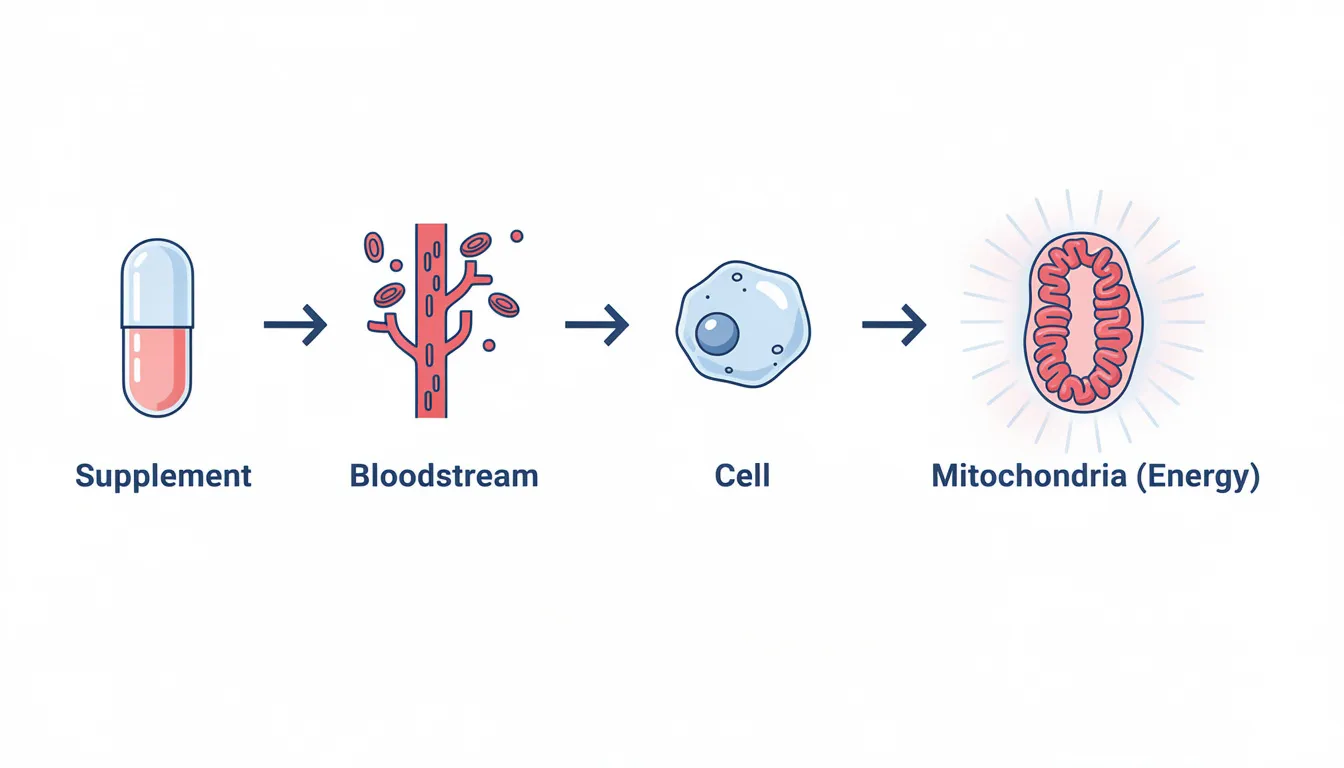
Nicotinamide mononucleotide nmn is a naturally occurring molecule that serves as one of the building blocks your cells use to produce NAD+ (nicotinamide adenine dinucleotide). This coenzyme exists in all living cells and plays central roles in energy production, dna repair, and cellular maintenance. When you take nmn supplements or consume NMN-containing foods, your body converts this precursor into NAD+, which then supports numerous cellular processes.
Evidence from animal studies is extensive, while human research from the mid-2010s through 2024 remains emerging and mostly short-term. This means we should approach NMN with informed optimism rather than treating it as a guaranteed solution for reversing aging or treating specific conditions.
NMN naturally occurs in small amounts in foods like broccoli, edamame, cabbage, and cucumber. However, the amounts found in food are quite modest compared to what’s used in research settings—most mechanistic studies use supplemental doses ranging from 100 mg to over 1,000 mg daily.
In this guide, we’ll cover:
How NMN is absorbed and transported into cells
The conversion process that turns NMN into NAD+
What NAD+ actually does inside your cells
Current findings from animal models and human trials
Safety considerations and how NMN compares to other precursors
Practical insights for discussing NMN with your healthcare professional
Research on NMN also explores its potential impact on heart health and the human brain, especially in the context of aging.
Before adding any supplements to your diet, it’s important to talk with a healthcare professional about your unique situation and the potential risks and benefits you should consider.
The NMN–NAD+ Connection: Core Biochemistry
At its molecular core, NMN is a nucleotide composed of three parts: nicotinamide (a form of vitamin b), ribose (a sugar), and a phosphate group. Its primary function in the human body is serving as a direct precursor to nicotinamide adenine dinucleotide nad, often simply called NAD+.
NAD+ exists in two interconvertible forms:
| Form | State | Primary Role |
|---|---|---|
| NAD+ | Oxidized | Accepts electrons during metabolism |
| NADH | Reduced | Donates electrons for ATP production |
| This NAD+/NADH cycling is essential for extracting energy from the food you eat. The molecules participate in: |
Glycolysis: Breaking down glucose in the cytoplasm
TCA cycle: Processing acetyl-CoA in mitochondria
Oxidative phosphorylation: The electron transport chain that produces most of your ATP
Beyond energy metabolism, NAD+ serves as a substrate for specific enzyme families that consume it during their activity:
Sirtuins (SIRT1-7): These enzymes regulate gene expression, mitochondrial biogenesis, and stress responses by removing acetyl groups from proteins
PARPs (Poly ADP-ribose polymerases): Critical for detecting and repairing dna damage, consuming NAD+ as they work
CD38: An enzyme involved in immune function and inflammation regulation
Here’s why this matters for aging: NAD levels naturally decline with age. Research in both animals and humans shows that by middle age, NAD+ can drop by approximately 50% or more in various tissues including muscle, liver, skin, and especially the human brain. This decline in the human brain is associated with reduced cognitive function and increased risk of neurodegeneration. NAD+ concentrations in human tissues, including skin, blood, liver, muscle, and the human brain, are thought to decrease with age.
NMN contributes to the “salvage pathway” for NAD+ synthesis. Unlike precursors that require multiple enzymatic steps (like tryptophan or nicotinic acid), NMN sits just one step away from NAD+. This proximity may allow for more efficient conversion in tissues where the necessary enzymes are active.

How Does NMN Get Into the Body and Cells?
Understanding how nmn supplements work requires following the molecule’s journey from ingestion to cellular uptake. NMN can either be produced within your body or ingested from food and supplements—but either way, it must reach your cells to influence NAD+ levels.
Endogenous NMN Production
Your body continuously makes NMN through an enzyme called NAMPT (nicotinamide phosphoribosyltransferase). This enzyme converts nicotinamide (recycled from NAD+-consuming reactions) and PRPP (phosphoribosyl pyrophosphate) into NMN.
This step is considered rate-limiting in the NAD+ salvage pathway. When NAMPT activity declines—as it tends to with age and chronic inflammation—less NMN gets made, contributing to falling NAD+ levels.
Dietary and NMN Supplements Routes
NMN appears naturally in several foods, though in relatively small quantities:
| Food Source | Approximate NMN Content |
|---|---|
| Edamame | 0.47-1.88 mg per 100g |
| Broccoli | 0.25-1.12 mg per 100g |
| Cucumber | 0.25-0.65 mg per 100g |
| Cabbage | 0.0-0.90 mg per 100g |
| Avocado | 0.36-1.60 mg per 100g |
| Supplements, by contrast, typically provide 100-1,250 mg per serving—orders of magnitude higher than dietary intake. |
Intestinal Absorption
Animal studies from the late 2010s demonstrated that oral administration of NMN leads to rapid absorption from the gut. In mouse studies, NMN raised liver NAD+ levels within minutes of dosing, suggesting efficient uptake through the intestinal wall.
The SLC12A8 Transporter
Research published in 2019 identified a specific membrane transporter called Slc12a8 that appears capable of moving NMN directly into cells. This transporter was found in the small intestine of mice and potentially other tissues.
This discovery was significant because it suggested NMN might not need to be converted to another form (like nicotinamide riboside) before entering cells. Instead, intact NMN could cross the cell membrane and be converted to NAD+ inside.
However, some data suggest NMN may also be dephosphorylated to NR in the gut or bloodstream, then reconverted to NMN inside cells. The transport mechanisms may differ between species, and researchers are still clarifying exactly how this works in humans.

Inside the Cell: How NMN Turns into NAD+ and What Happens Next
Once NMN enters a cell—whether through direct transport or after conversion from NR—the real action begins. This is where we can truly answer the question of how does nmn work at the cellular level.
The Final Conversion Step
Inside the cytosol, NMN is converted to NAD+ primarily by enzymes called NMN adenylyltransferases (NMNATs). There are three isoforms:
NMNAT1: Concentrated in the nucleus, supporting nuclear NAD+ pools
NMNAT2: Found in the cytoplasm, important for neuronal health
NMNAT3: Located in mitochondria, supporting cellular energy production
These enzymes attach an adenylate group (from ATP) to NMN, completing the NAD+ structure. The reaction is relatively straightforward, which is why NMN is considered such a direct precursor.
NAD+ Compartmentalization
NAD+ doesn’t float freely throughout the cell. Instead, it’s compartmentalized into distinct pools:
| Compartment | Primary Functions |
|---|---|
| Cytosol | Glycolysis, signaling pathways |
| Mitochondria | ATP production, oxidative metabolism |
| Nucleus | DNA repair, chromatin regulation, gene expression |
| Each compartment maintains its own NAD+ levels, and transport between compartments is tightly regulated. This means raising total cellular NAD+ through nmn supplementation could potentially influence multiple cellular processes simultaneously. |
Key Functional Areas
Energy Metabolism
NAD+ and its reduced form NADH are essential for extracting energy from nutrients. In the mitochondria, the electron transport chain uses NADH to drive ATP synthesis—the energy currency that powers virtually every cellular process. This connection to cellular energy production explains why declining NAD+ is associated with fatigue and reduced metabolic efficiency in older adults.
DNA Repair
Your DNA sustains thousands of damage events daily from normal metabolism, environmental factors, and oxidative stress. PARP enzymes detect strand breaks and initiate repair by consuming NAD+ to add ADP-ribose chains to target proteins. Without adequate NAD+, this repair machinery becomes less efficient, potentially allowing dna damage to accumulate.
Gene Regulation and Stress Response
Sirtuins use NAD+ to remove acetyl groups from histones and transcription factors. This process influences:
Mitochondrial biogenesis through PGC-1α activation
Circadian rhythm regulation
Cellular stress resistance
Inflammatory responses through NF-κB modulation
In animal models, raising NAD+ through NMN has been shown to activate SIRT1, improving blood flow in aged mice by approximately 2-fold via eNOS activation.
By raising the cellular NAD+ pool, NMN may indirectly support the activity of these enzyme systems. However, the magnitude and consistency of such effects in humans remains under active investigation through ongoing clinical parameters studies.
DNA Damage and NMN Supplementation
DNA damage is a fundamental feature of the aging process and is closely linked to the development of age-related diseases such as cancer, Alzheimer’s disease, and cardiovascular disease. As we age, our cells accumulate DNA lesions due to environmental stressors, metabolic byproducts, and normal cellular activity. If left unrepaired, this damage can compromise cellular function and accelerate the onset of age-related decline.
Nicotinamide mononucleotide (NMN) supplementation has emerged as a promising strategy to support DNA repair and promote healthy aging. NMN acts by increasing the levels of nicotinamide adenine dinucleotide (NAD+), a molecule that is essential for the activity of DNA repair enzymes like PARPs. Higher NAD+ levels enable these enzymes to efficiently detect and repair DNA strand breaks, helping to maintain genomic stability and cellular health.
Animal studies have demonstrated that NMN supplementation can reduce DNA damage and improve markers of DNA repair in various tissues. For example, research in aged mice has shown that boosting NAD+ through nicotinamide mononucleotide nmn administration leads to enhanced DNA repair capacity and a reduction in the accumulation of DNA lesions. These findings suggest that NMN may help mitigate the cellular consequences of aging and lower the risk of age related diseases.
However, while the evidence from animal studies is compelling, human trials are still needed to confirm whether NMN supplementation can effectively reduce DNA damage and promote healthy aging in people. Ongoing and future research will be crucial to determine the true potential of NMN in supporting DNA repair and protecting against the effects of the aging process.
What Does the Research Say? Evidence from Animals and Humans
Most mechanistic and longevity data for NMN come from cell culture and animal models, while human research has focused more on safety, metabolic changes, and functional endpoints. Let’s examine what the science actually shows.
In animal models, NMN supplementation has shown neuroprotective effects, particularly in studies of neurodegenerative diseases such as Alzheimer’s disease and Parkinson’s disease. In Alzheimer’s disease models, NMN administration has been reported to reduce amyloid-beta accumulation and improve cognitive function, suggesting a potential role in mitigating age-related cognitive decline.
Ongoing clinical trials are investigating the effects of NMN nutrition intervention on various diseases, including diabetes and chronic disease.
Notable Animal Findings
Research in rodent models has produced compelling findings, though we must be cautious about direct translation to humans:
Metabolic Health Improvements
In aged mice and those fed high-fat diets, NMN supplementation improved markers related to metabolic health. Studies showed better glucose metabolism, enhanced insulin sensitivity, and reduced markers of metabolic disorders. David Sinclair’s lab at Harvard demonstrated that NMN could restore NAD+ to more youthful levels in various tissues.
Vascular and Cardiovascular Benefits
Mouse studies showed NMN improving vascular function and blood flow, particularly in older animals. The mechanism appeared to involve SIRT1-mediated activation of eNOS, an enzyme that produces nitric oxide to relax blood vessels.
Neuroprotection
In alzheimer’s disease mouse models, NMN reduced amyloid-beta production, plaque load, synaptic damage, and neuroinflammation, with corresponding improvements in cognitive function tests. Similar protective effects were observed in Parkinson’s disease models. For brain function, NMN appeared to reduce markers of oxidative stress and cell death.
Exercise Capacity
Older mice given NMN showed improved exercise capacity and endurance, with better mitochondrial function in skeletal muscle.
Key Human Trials
Human trials have been shorter and smaller but provide important safety and preliminary efficacy data:
Postmenopausal Women Study (2021)
A randomized, placebo-controlled trial in prediabetic postmenopausal women tested 250 mg/day NMN for 10 weeks. Key findings:
Increased muscle NAD+ metabolites
Improved measures of muscle insulin sensitivity (enhanced Akt/mTOR phosphorylation)
No serious adverse effects reported
Japanese Study in Older Adults (2022)
A trial with 108 participants (age 65+) tested 250 mg/day for 12 weeks. Results included:
Higher NAD+ and nicotinamide metabolite levels
Shorter 4-meter walk times
Better sleep quality per Pittsburgh Sleep Quality Index
Negative correlation between walk time improvements and NAD+ changes
Hypertensive Patients Trial (2023)
A study in adults with elevated blood pressure tested NMN for 6 weeks, finding:
43% increase in PBMC NAD+ compared to controls
Systolic blood pressure reduction of 6.11 mmHg
Diastolic blood pressure reduction of 3.56 mmHg
Improved vascular function markers
MIB-626 Trial (Metro International Biotech LLC)
A 14-day trial of pharmaceutical-grade NMN (1000 mg) in 32 overweight/obese older adults (55-80 years) demonstrated rapid increases in blood NAD+ levels.
Liposomal NMN Comparison
A 4-week trial comparing liposomal versus non-liposomal NMN at 350 mg/day found liposomal formulation significantly outperformed standard NMN in boosting NAD+ (p=0.000 vs placebo, p=0.001 vs non-liposomal), with no reported side effects.
Important Limitations
Before getting too excited, consider these caveats:
Small sample sizes: Most studies enrolled fewer than 100 participants
Short durations: Typically 4-12 weeks, so long-term effects remain unknown
Variable outcomes: Not all endpoints improve in every trial
Translation challenges: Mouse physiology differs significantly from human
Some trials show clear NAD+ increases but only modest functional changes, highlighting that biochemical shifts don’t automatically translate to noticeable health benefits.
As of 2024, multiple registered clinical trials are ongoing (including NCT03151239, NCT04823260, and NCT07144527) investigating areas such as cardiovascular health, age-related metabolic health, and physical performance. Results from these larger, longer studies may refine our understanding significantly.
How NMN Relates to Aging, Metabolism, and Cellular Health
NMN is frequently discussed in the context of “anti-aging,” but the scientifically grounded concept is more nuanced: supporting cellular resilience as NAD+ levels decline with the aging process.
Understanding Age-Related NAD+ Decline
Observational research in animals and some human tissues consistently shows NAD+ reductions between early adulthood and older age. This decline appears driven by multiple factors:
Chronic low-grade inflammation: Persistent inflammatory signaling increases NAD+ consumption
Accumulated DNA damage: More PARP activity to repair damage depletes NAD+ pools
Higher CD38 activity: This NAD+-consuming enzyme increases with age
Reduced NAMPT expression: Less endogenous NMN production
The result is what researchers sometimes call altered nad metabolism—cells have less NAD+ available for energy production, repair, and signaling.
Theoretical Mechanisms in Aging Biology
By helping replenish NAD+, taking nmn supplements may support several processes observed in animal experiments:
| Process | How NAD+ May Help |
|---|---|
| Mitochondrial efficiency | Supports electron transport and ATP production |
| DNA integrity | Fuels PARP-mediated repair of strand breaks |
| Cellular housekeeping | Enables sirtuin-mediated autophagy regulation |
| Inflammatory balance | Modulates NF-κB and other inflammatory pathways |
| Sirtuin activation and enhanced DNA repair are often cited mechanisms in preclinical aging models. In aged mice, NMN administration improved multiple markers that typically worsen with age, including vascular function, fertility markers, and exercise capacity. |
Metabolic Health Connections
Some human trials have explored NMN in individuals dealing with:
Overweight and age associated weight gain
Insulin resistance
Reduced exercise capacity
Elevated blood pressure
Outcomes assessed include improve insulin sensitivity, muscle strength, aerobic performance, and cardiac functions. While some trials show promising signals, results remain preliminary.
For example, the study in prediabetic women showed improved muscle insulin sensitivity but didn’t demonstrate weight loss or dramatic metabolic transformation. Similarly, cardiovascular benefits like modest blood pressure reductions are encouraging but require larger trials to confirm.
Maintaining Perspective
NMN is not an established treatment for metabolic or cardiovascular conditions, nor should it be considered a proven tool for reversing aging. The evidence suggests it can raise NAD+ levels and may support certain cellular processes, but translating this into reliable health benefits for humans requires more research.
Consider NMN as one potential piece of a broader strategy that includes:
Regular physical activity
Nutritious eating patterns
Adequate sleep quality
Stress management
These foundational habits influence the same pathways NMN targets and have far more robust evidence supporting their benefits for healthy aging.

Safety, Side Effects, and Regulatory Landscape
Short-term human trials using doses up to approximately 1,200-1,250 mg per day have generally reported good tolerability. However, long-term safety data remain limited, which is important context for anyone considering taking nmn.
What Safety Studies Show
Across ten or more published human studies, researchers have reported:
No serious adverse events when NMN is used orally for weeks to a few months
Laboratory measures (liver enzymes, kidney markers, blood counts) largely remained within normal ranges
One trial noted a small increase in bilirubin, though values stayed within normal limits
Dr. David Sinclair, one of the leading researchers in this field, has noted that early trials may have used sub-optimal low doses, potentially underestimating both effects and any dose-dependent concerns.
Commonly Reported Mild Side Effects
From clinical trials and anecdotal reports, some individuals experience:
Digestive upset: Nausea, abdominal discomfort, loose stool
Headache: Occasionally reported, typically mild
Flushing: Some people notice mild skin flushing
The incidence appears low, and effects are usually transient. However, robust long-term tracking across diverse populations is lacking.
Theoretical Concerns
Some preclinical data raise questions worth monitoring:
Excessively high or chronic NAD+ activation could theoretically affect cell growth pathways in complex ways
The senescence associated secretory phenotype and its relationship to NAD+ manipulation isn’t fully understood
Very high doses haven’t been studied long-term in humans
These considerations underscore the need for carefully designed long-term trials rather than indicating known clinical harm at typical studied doses. More research is clearly needed before we can make definitive safety claims beyond the short-term window.
Regulatory Context
The regulatory landscape for NMN has been evolving:
In 2022, the U.S. FDA concluded that certain forms of β-NMN could not be marketed as dietary supplements because they were under investigation as drugs
Industry groups challenged this interpretation
Regulatory discussions continued through 2024
This has created variability in how NMN products are marketed and labeled
Different countries have different regulatory frameworks, and the status of NMN as a health supplement varies internationally.
Recommendations for Consumers
Given the current state of evidence:
Consult a healthcare professional before using NMN, especially if pregnant, breastfeeding, taking medications, or managing chronic health conditions
Be cautious with higher doses, given the absence of long-term safety data in large, diverse populations
Watch for adverse effects and discontinue use if you experience concerning symptoms
Source products carefully, as quality control varies among manufacturers
How NMN Compares to Other NAD+ Precursors
NMN is one of several molecules the human body can use to make NAD+. Understanding the alternatives helps put NMN in proper context.
The NAD+ Precursor Family
Niacin (Nicotinic Acid)
Long-used form of vitamin B3
Supports NAD+ production through the Preiss-Handler pathway
Can cause uncomfortable flushing at higher doses
Well-established safety profile at normal vitamin doses
Nicotinamide
Another form of B3, commonly found in supplements
Recycled in the salvage pathway
Doesn’t cause flushing but has upper dosing limits
May inhibit sirtuins at very high concentrations
Nicotinamide Riboside (NR)
Late-stage NAD+ precursor like NMN
Substantial human research showing reliable NAD+ increases
Must be phosphorylated to NMN inside cells
Available as a dietary supplement (Niagen is a common brand)
Tryptophan
An essential amino acid from dietary protein
Feeds into de novo NAD+ synthesis
Much less direct than NMN or NR
Primarily serves other functions (protein synthesis, serotonin production)
Mechanistic Distinctions
The key difference between NMN and NR is one enzymatic step:
| Precursor | Steps to NAD+ | Key Enzyme Needed |
|---|---|---|
| NMN | 1 step | NMNAT |
| NR | 2 steps | NRK then NMNAT |
| This proximity to NAD+ may give NMN an efficiency advantage in tissues where NMN transport and NMNAT enzymes are highly active. Some research using the doi 10.1016 database shows liposomal NMN outperforming standard forms, suggesting delivery optimization matters. |
However, NR has its own proven absorption profile and robust human data. Head-to-head studies directly comparing NMN and NR on the same endpoints in humans are limited.
The Practical Takeaway
Rather than obsessing over which precursor is “best,” consider:
Your overall nutritional status and B-vitamin intake
What’s available and practical for your situation
What your healthcare provider recommends
That lifestyle factors may matter more than which specific precursor you choose
The goal is supporting adequate NAD+ levels, and multiple routes can potentially achieve this.
Practical Considerations: Use, Lifestyle, and Talking with Your Clinician
Any decision about taking nmn supplements should be individualized and ideally made with input from a qualified healthcare professional. Here’s information to help frame that conversation.
Research Dose Ranges
Clinical studies have explored oral doses ranging from about 100-250 mg up to around 1,200-1,250 mg per day in adults for short durations (typically 4-12 weeks).
Important context:
No official recommended daily allowance exists for NMN
Optimal dosing for specific outcomes is not established
Individual responses vary based on baseline NAD+ pools and metabolic rates
Those with lower starting NAD+ levels may show larger responses
Discussion Points for Your Clinician
When talking with your healthcare professional, consider asking about:
Whether NMN makes sense given your health status and goals
Potential interactions with any medications you take
Appropriate starting doses and monitoring approaches
How to assess whether it’s working for you
General informational considerations (not recommendations):
Starting low and gradually increasing allows you to assess tolerance
Monitoring how you feel, along with relevant lab markers if medically indicated, can provide useful data
Be cautious about stacking multiple NAD+ boosters without supervision
Timing of doses has been studied (AM and PM dosing showed similar efficacy in sleep studies)
Lifestyle Strategies That Influence NAD+ Biology
Before or alongside considering supplements, focus on habits with robust evidence:
Physical Activity
150-300 minutes of moderate-intensity activity per week
Associated with better mitochondrial function
May support NAD+-related pathways independently
Also improves cognitive health and overall resilience
Nutrition
B-vitamin sources (whole grains, meat, fish, legumes)
Polyphenol-rich plants (berries, dark leafy greens, coffee, tea)
Adequate protein intake
Foods where nmn naturally occurs (broccoli, edamame, avocado)
Sleep
Sufficient duration (7-9 hours for most adults)
Consistent sleep-wake timing
May reduce chronic activation of NAD+-consuming repair processes
Stress Management
Chronic inflammation increases NAD+ consumption
Stress reduction techniques may help preserve NAD+ pools
Mind-body practices show benefits for overall healthy aging
Evaluating Products and Claims
If you decide to explore NMN, approach the market with informed skepticism:
Look for references to peer-reviewed studies
Distinguish between animal studies and human research
Be wary of claims that sound too good to be true
Consider third-party testing for purity and potency
Remember that “natural” or “cellular” doesn’t automatically mean risk-free
The potential benefits of NMN are still being defined by science. Extraordinary claims require extraordinary evidence, and we’re not there yet.

Future Research on NMN Supplementation
Although NMN supplementation has shown encouraging results in animal studies, there is still much to learn about its effects on human health. Future research should focus on large-scale, long-term human trials to clarify the efficacy of NMN supplementation in promoting healthy aging, reducing the risk of age related diseases, and supporting cognitive function.
Key areas for future investigation include determining the optimal dosage and duration of NMN supplementation for different populations and health goals. Researchers should also explore how NMN interacts with other nutrients, medications, and lifestyle factors to ensure safety and maximize potential benefits. Human trials should assess a wide range of clinical parameters, such as metabolic health, cardiovascular health, immune function, and cognitive performance, to provide a comprehensive understanding of NMN’s impact.
In addition to clinical outcomes, more research is needed to unravel the mechanisms by which NMN supplementation influences health. This includes studying its effects on NAD+ metabolism, gene expression, and cellular energy production in human tissues. Understanding how NMN supports cellular energy and modulates key biological pathways will help identify which individuals may benefit most from supplementation.
As the field advances, well-designed human trials will be essential to move beyond the promising results seen in animal studies and establish clear guidelines for NMN use in supporting healthy aging and reducing the burden of age related diseases. By addressing these research gaps, we can better harness the potential of NMN supplementation to improve metabolic health, cardiovascular health, and overall well-being.
Conclusion: What We Currently Know About How NMN Works
NMN is a naturally occurring NAD+ precursor that the human body can use to restore NAD+ levels, particularly through the salvage pathway. When you ingest NMN—whether from supplements or foods—it gets absorbed, transported into cells, and converted to NAD+ by NMNAT enzymes. This NAD+ then participates in cellular energy production, fuels dna repair enzymes like PARPs, and enables sirtuin-mediated regulation of gene expression and stress responses.
Mechanistic and animal studies provide compelling evidence that raising NAD+ via NMN can support energy metabolism, DNA repair processes, and stress-response pathways. Mice given NMN show improvements in vascular function, exercise capacity, and metabolic markers—findings that have generated significant interest in human applications.
Human research to date supports short-term safety at doses up to about 1,250 mg/day and confirms that NMN can boost NAD+ levels in blood and tissues. Early signs point toward possible functional benefits in certain contexts—modest improvements in walking speed, sleep quality, blood pressure, and muscle insulin sensitivity have been reported in small trials involving older adults. However, these findings don’t yet justify strong anti-aging or disease-treatment claims.
NMN is best viewed as an experimental tool in human aging research and a potential supplement option to discuss with healthcare professionals—not a proven longevity therapy. The gap between animal promise and human proof remains significant, and the long-term effects of supplementation are simply unknown.
Future large, long-term, well-controlled clinical trials will be essential for clarifying:
Who, if anyone, benefits most from NMN
What doses are appropriate for different goals
How NMN fits into broader strategies for healthy aging
Whether the benefits outweigh any potential risks over years of use
NAD+ decline in the human brain is associated with aging and neurodegenerative diseases, highlighting the importance of NAD+ for maintaining cognitive functions and preventing neuronal damage. As you continue learning about NMN and the human brain’s relationship to NAD+ biology, stay informed about emerging evidence from registered clinical trials. And remember: foundational lifestyle habits—regular exercise, nutritious eating, quality sleep, and stress management—influence the same cellular pathways that NMN targets and have decades of evidence supporting their benefits.
The science of mammalian cells and aging continues to evolve. NMN represents one interesting thread in that larger tapestry, worthy of attention but not yet deserving of extraordinary claims.
Further Reading
Explore more articles related to this topic: