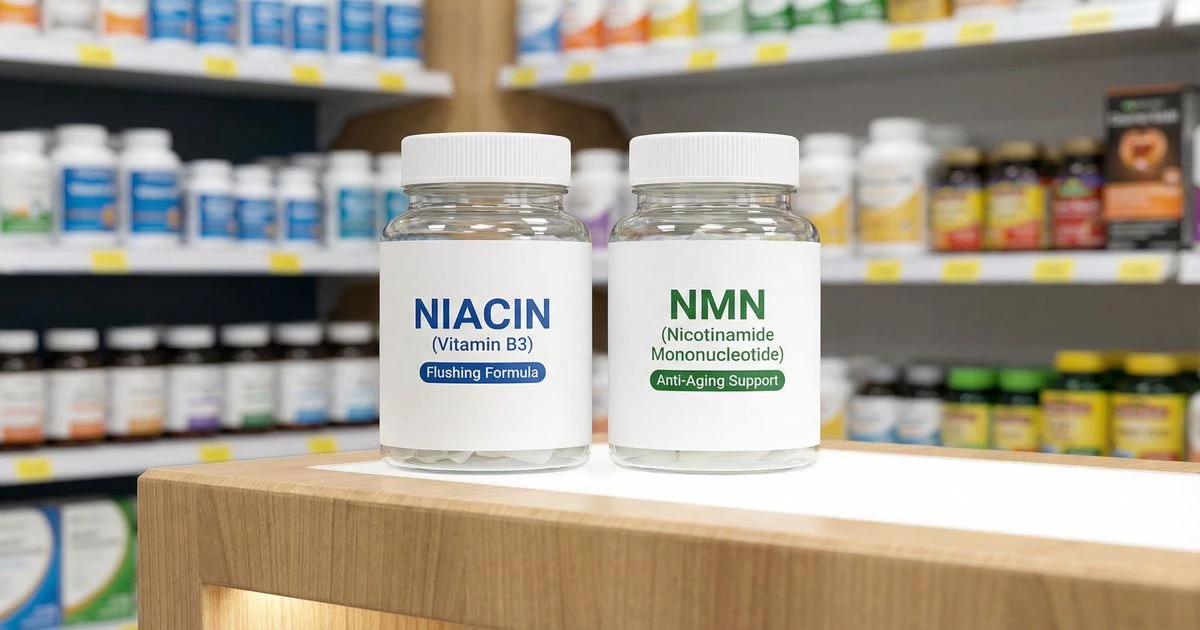

If you’ve ever taken high-dose niacin and experienced that uncomfortable wave of redness and heat spreading across your face and chest, you’re probably wondering whether other NAD+ precursors like nicotinamide mononucleotide (NMN) will trigger the same reaction. The short answer is reassuring for most people considering NMN supplements.
All forms of vitamin B3 (vitamins), including niacin, nicotinamide, and NMN, can ultimately be converted to NAD+ for cellular energy production.
Quick Answer: NMN vs Niacin Flushing
Current human and animal studies indicate that NMN does not cause the classic niacin flush, while nicotinic acid (the form of vitamin B3 commonly known as niacin) frequently does. The niacin flush refers to the sudden skin flushing characterized by redness, warmth, tingling, and sometimes itching, typically affecting the face and upper body. While this reaction is generally temporary and benign, it can be uncomfortable enough to discourage people from continuing niacin supplementation.
The key distinction lies in which form of vitamin B3 you’re taking. Nicotinic acid is the compound responsible for triggering flushing, whereas NMN and niacinamide are considered non-flushing forms. Published human trials examining NMN at doses ranging from 250 to 900 mg per day have not reported niacin-like flushing as a common side effect. That said, individual responses can vary, and anyone with concerns or existing health conditions should speak with a healthcare professional before starting any new supplement.
Tryptophan, an amino acid, is another precursor to NAD+ but is less efficient than direct vitamin B3 derivatives. Additionally, niacin is cost-effective and widely available, but its conversion to NAD+ is less direct compared to NR or NMN.
| Compound | Causes Flushing? | Typical Use | Research Status |
|---|---|---|---|
| Niacin (Nicotinic Acid) | Yes (common) | Cholesterol management, deficiency | Well-established |
| Niacinamide | No | Skin health, general supplementation | Well-established |
| NMN | No (not reported in studies) | NAD+ support, aging research | Emerging research |
| Nicotinamide Riboside (NR) | No | NAD+ support, metabolic health | Growing evidence |
What Is Niacin Flush, Exactly?
The niacin flush is a well-documented side effect of nicotinic acid, one form of vitamin B3, often occurring at doses of 50 to 100 mg or higher. It’s one of the most recognizable reactions in the supplement world, and understanding what causes it helps explain why other forms don’t produce the same effect.
Typical symptoms include skin redness, heat, tingling, and itching, especially on the face, neck, and chest. These sensations usually begin 15 to 30 minutes after taking nicotinic acid and can last up to an hour. For people who aren’t expecting it, the experience can be quite alarming, even though it’s generally considered harmless in healthy individuals.
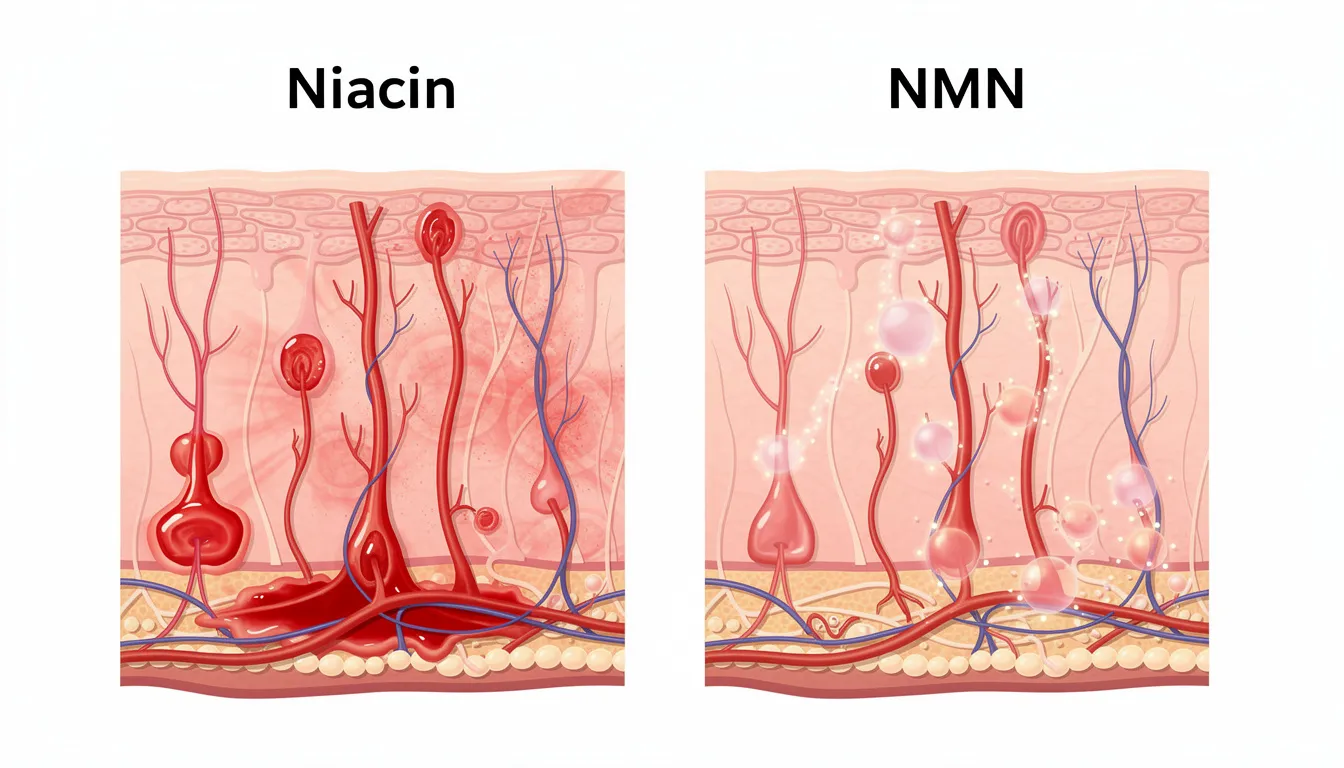
The underlying mechanism involves the GPR109A receptor on immune cells in the skin. When nicotinic acid binds to this receptor, it triggers the release of prostaglandins—specifically prostaglandin D₂ and E₂. These compounds cause small blood vessels near the skin’s surface to dilate, resulting in that characteristic redness and warmth. Some research suggests elevated serotonin levels may also contribute to the itchiness many people experience.
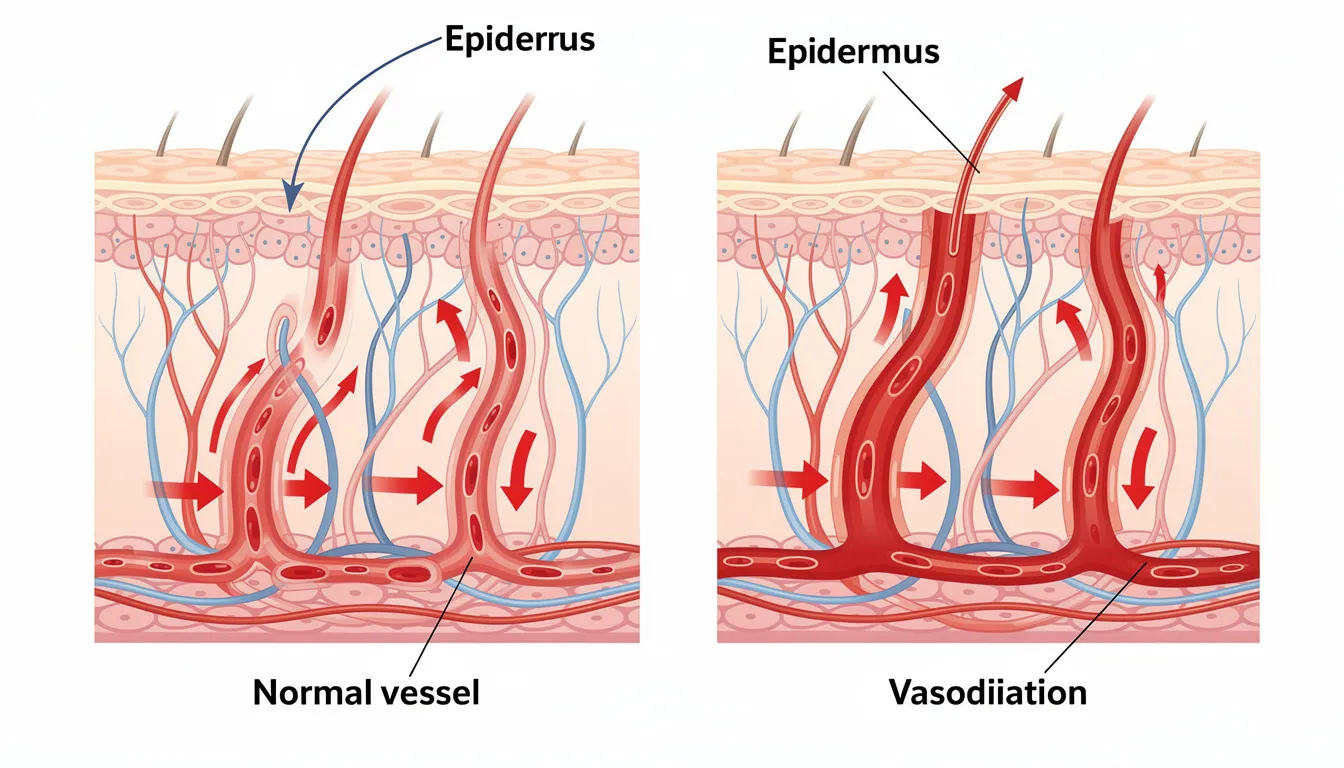
Products marketed as “non-flush” or “extended-release” niacin aim to minimize this reaction, but they come with their own considerations. Extended-release formulations, for instance, have been associated with increased liver strain at higher doses, which is why medical supervision is typically advised when niacin is used therapeutically. Organizations such as the American Heart Association have noted that flushing remains a limiting factor in patient tolerance for niacin therapy.
How NMN and Niacin Differ at the Molecular Level
Both niacin and NMN are related to vitamin B3 and NAD+ metabolism, but they are chemically distinct compounds with different pathways through the body. Understanding these differences helps explain their contrasting side-effect profiles. The mechanisms by which niacin and NMN influence NAD+ levels and cellular functions are distinct, affecting processes such as DNA repair, lipid metabolism, and overall cell health.
Here’s a quick breakdown of the key players:
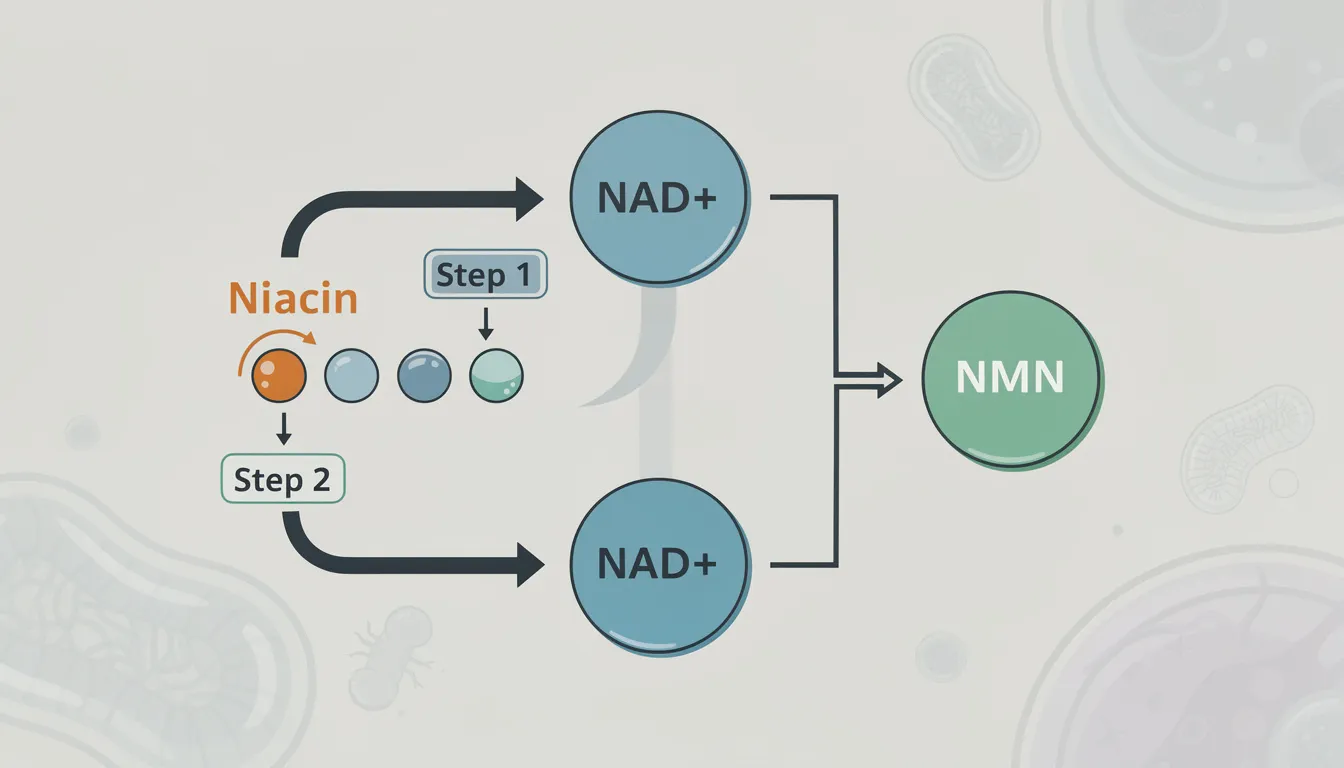
Niacin (nicotinic acid): A classic form of vitamin B3 used historically for treating deficiency and managing cholesterol levels. It must be converted through multiple steps to become NAD+.
NMN (nicotinamide mononucleotide): A nucleotide-like molecule that sits just one step away from NAD+ in cellular pathways. It’s considered a direct precursor to NAD+ and is converted to NAD+ inside the cell by NMNAT enzymes.
NAD+ (nicotinamide adenine dinucleotide): A central coenzyme essential for cellular energy production, DNA repair, and mitochondrial function.
Niacin follows what scientists call the Preiss-Handler pathway—a three-step conversion process to become NAD+. This pathway involves intermediate compounds and, crucially, includes the receptor activation that triggers flushing. NMN, on the other hand, is part of the salvage pathway and is closer to NAD+ in the biochemical chain. It gets converted to NAD+ through enzymes called NMNAT without needing to activate the GPR109A receptor.
Because NMN does not strongly activate the GPR109A receptor, it doesn’t trigger the prostaglandin-mediated vasodilation that causes the classic niacin flush. All these molecules ultimately support NAD+ levels, but the routes and intermediate steps differ significantly, which explains why their side-effect profiles aren’t identical. Boosting NAD+ levels has also been associated with improved mitochondrial function and increased energy production, as mitochondria are the powerhouses of the cell responsible for generating cellular energy.
Bioavailability and Efficacy: How the Body Processes NMN vs Niacin
When it comes to supporting NAD+ levels and reaping the benefits of vitamin B3 supplementation, the way your body absorbs and utilizes different compounds makes a significant difference. Bioavailability—the proportion of a nutrient that enters circulation and can be used by your cells—varies between nicotinamide mononucleotide (NMN) and niacin (nicotinic acid), and this impacts their overall efficacy for health outcomes like cellular energy, mitochondrial function, and healthy aging.
Niacin (nicotinic acid) is well-absorbed in the digestive tract and has a long history of use for improving cholesterol levels and cardiovascular health. However, once inside the body, niacin must undergo several conversion steps before it can boost NAD+ production. This multi-step process can be less efficient, and the activation of certain pathways is what leads to the common side effect of skin flushing. Despite this, niacin’s ability to support metabolic health and cardiovascular outcomes is well established, especially at higher doses.
Nicotinamide mononucleotide (NMN), on the other hand, is a more direct precursor to NAD+. Emerging research suggests that NMN is highly efficient at entering cells and rapidly increasing NAD+ levels, which is essential for mitochondrial function, DNA repair, and overall cellular energy. Animal studies and early human trials indicate that NMN is orally bioavailable, meaning it can be absorbed through the gut and utilized by tissues throughout the body. This efficient conversion pathway may explain why NMN is being explored for its potential to promote healthy aging and support cellular repair without the flushing associated with niacin.
The efficacy of these compounds is closely tied to their bioavailability. NMN’s ability to quickly elevate NAD+ levels in cells may translate to more noticeable benefits for energy, metabolism, and resilience against age-related decline. Niacin, while effective for certain cardiovascular outcomes, may not be as targeted for boosting cellular energy or mitochondrial health due to its indirect pathway and side effect profile.
In summary, while both niacin and NMN are valuable forms of vitamin B3 with unique benefits, NMN stands out as a non-flushing form that is highly efficient at supporting NAD+ synthesis, cellular energy, and healthy aging. As research continues, understanding these differences can help you choose the right NAD+ precursor for your health goals.
Does NMN Cause Flushing? What Studies Report So Far
The best way to answer whether NMN causes flushing is to examine what human and animal studies have actually documented when participants received NMN orally or by injection and had their side effects monitored.
Research suggests that NMN is generally well tolerated without the flushing associated with nicotinic acid. Here’s what the evidence shows:
Early human studies (2016-2019):
Small-scale studies using single doses up to approximately 500 mg
NMN reported as generally well-tolerated
No niacin-type flush documented
More recent trials (2021-2023):
Randomized and open-label studies using daily doses around 250-600 mg
Participants included middle-aged and older adults
Safety monitoring typically reported mild gastrointestinal complaints at most
Flushing not identified as a side effect
| Study Type | Dose Range | Duration | Flushing Reported? |
|---|---|---|---|
| Single-dose safety | Up to 500 mg | Single administration | No |
| Daily supplementation | 250-600 mg/day | 4-12 weeks | No |
| Extended trials | 250-900 mg/day | 8-24 weeks | No |
| Regulatory and academic safety reviews characterize NMN as “well tolerated” at studied doses, with niacin-like flushing not listed as a frequent or defining adverse event. Some participants in studies reported nonspecific sensations such as warmth or mild headaches, but these were not the characteristic widespread skin flushing associated with nicotinic acid. |
Animal studies in mice, which often use higher relative doses, similarly emphasize metabolic and NAD+-related outcomes without consistent reports of a flushing response analogous to human niacin flush. However, the absence of reported flushing in controlled studies does not guarantee that no individual will ever experience unusual reactions—it simply indicates that current data suggest it’s uncommon and not a hallmark of NMN use.
Why Niacin Flushes and NMN Usually Doesn’t
The fundamental difference comes down to receptor activation. Niacin’s flushing is tied to what happens in the skin, while NMN’s primary role is as a metabolic intermediate working inside cells to support NAD+ synthesis.
Here’s why niacin causes flushing:
Nicotinic acid binds to GPR109A receptors on certain immune cells in the skin
This binding triggers the release of vasodilating prostaglandins (PGD2 and PGE2)
Blood vessels in superficial skin layers widen
The result is redness, warmth, and that telltale flush
Unlike niacin, NMN follows a completely different path:
NMN is not a strong activator of GPR109A
It is predominantly used inside cells to help regenerate NAD+
The conversion happens via NMNAT enzymes without triggering prostaglandin release
No vasodilatory signal reaches the skin in the same way
Some NMN taken orally may be broken down in the gut to other forms of vitamin B3, but emerging research suggests this doesn’t typically reach the threshold or receptor pattern needed to cause significant flushing. The conversion appears to be either incomplete or slow enough that it doesn’t produce the same rapid receptor activation that high-dose nicotinic acid does.
It’s worth noting that “no flush” refers specifically to the classic, widespread skin redness associated with nicotinic acid. This doesn’t mean NMN is completely free of any potential side effects—just that the flushing mechanism isn’t triggered in the same way.
Other Common NMN Side Effects Reported in Research
Even though NMN does not typically cause niacin-style flushing, it’s important to understand that no supplement is completely devoid of potential side effects. Here’s what human trials have documented:
Commonly reported (usually mild) side effects:
Digestive upset including nausea, gas, or soft stools
Occasional headaches or dizziness
Some anecdotal reports of difficulty sleeping when taken late in the day (possibly related to cellular energy effects, though not proven)
Serious adverse events have been rare in published trials at studied doses. However, long-term, high-dose safety data in diverse populations remain limited as of 2024. Individual factors such as existing medical conditions, concurrent medications, and overall health status can all influence how someone responds to NMN.
Practical suggestions for minimizing discomfort:
Start with lower doses if you choose to try NMN
Monitor how you feel over several days to weeks
Stop use and seek medical advice if you experience unusual or worrisome symptoms
Because NMN is being investigated in the context of metabolism and healthy aging, many clinical protocols include regular lab monitoring. Consumers using it independently don’t have this oversight, which is another reason to involve a healthcare professional in any supplementation plan.
How NMN Fits Within the Vitamin B3 / NAD⁺ Family
NMN is one member of a broader family of compounds related to vitamin B3 and NAD+ metabolism. Understanding how these different forms compare helps explain why some cause flushing and others don’t.
The main NAD+ precursors:
Nicotinic acid (niacin): Can support cardiovascular health and improve blood lipid profiles, but often causes flushing at therapeutic doses. Follows the Preiss-Handler pathway.
Niacinamide (nicotinamide): A non-flushing form of B3 commonly used in supplements and skincare products. Supports NAD+ production through the salvage pathway but doesn’t affect cholesterol in the same way as nicotinic acid.
Nicotinamide riboside (NR): A B3 derivative shown in human studies to boost NAD+ without flushing. NR is efficiently converted to NAD+ via the NRK pathway, first being converted to NMN before becoming NAD+. It has been studied for its effects on neuroprotection and metabolic regulation. Considered highly efficient at entering cells due to its smaller molecular size.
NMN: A direct NAD+ pathway intermediate, studied mainly in animal studies and increasingly in humans for metabolism and aging-related outcomes.
Riboside NR and nicotinamide are important forms of vitamin B3 (vitamins) used to boost NAD+ levels. These B3 vitamers differ in stability, absorption, and safety, and play key roles as NAD+ precursors supporting cellular energy and healthy aging.
NR and NMN are generally described in the literature as non-flushing NAD+ precursors, which is part of why they’re being explored for long-term use in healthy aging research. While both NMN and NR ultimately support NAD+ levels, their absorption and conversion pathways differ somewhat. Some research suggests NR may be more orally bioavailable, while NMN offers a more direct route to NAD+ once inside cells.
Increasing NAD+ levels may help combat age-related diseases, improve muscle function, and NAD+ elevation is linked to enhanced cognitive performance and potential lifespan extension.
| Compound | Typical Use | Main Pathway to NAD+ | Does It Flush? |
|---|---|---|---|
| Niacin | Cholesterol, deficiency | Preiss-Handler | Yes |
| Niacinamide | Supplements, skincare | Salvage | No |
| NR | NAD+ support, energy | Salvage (via NMN) | No/Rare |
| NMN | NAD+ support, aging research | Salvage (direct) | No/Rare |
| Because NR and nicotinamide mononucleotide are newer to the market, regulatory positions and allowed uses differ by country. Readers should check local regulations and stay updated as these may evolve. |
Interactions and Contraindications: What to Know Before Supplementing
As interest in NAD+ precursors like nicotinic acid, nicotinamide riboside (NR), and nicotinamide mononucleotide (NMN) grows, it’s increasingly important to understand how these supplements might interact with your body, your medications, and your overall health. Emerging research suggests that while these compounds can offer benefits for metabolic health, cardiovascular health, and cellular energy, they are not without potential risks—especially when combined with certain medications or underlying health conditions.
Unlike niacin (nicotinic acid), which is well known for causing skin flushing as a common side effect, NMN and NR are considered non-flushing forms of vitamin B3. This makes them appealing for those seeking the benefits of NAD+ support—such as improved mitochondrial function, DNA repair, and healthy aging—without the discomfort of flushing. However, their highly efficient ability to boost NAD+ levels means they can also influence other metabolic pathways, which may lead to interactions with medications or health conditions.
Practical Tips: Using NMN While Minimizing Discomfort
This section offers general information only and is not personalized medical advice. Please discuss any supplement plan with a qualified healthcare professional, especially if you have health conditions or take medications.
For those who, with appropriate guidance, decide to try NMN:
Dosing approach:
Start low—begin with a conservative dose well below amounts used in research studies
Adjust gradually if tolerated over several weeks
Many studies use 250-500 mg daily, but individual needs vary
Timing and food:
Take with food if stomach upset occurs
Consider early-day dosing to avoid potential interference with sleep
Monitor how timing affects your personal response
Tracking your response:
Keep a simple log of dose, time, and any symptoms
Note whether any warmth or skin changes appear
Track subjective markers like energy and sleep quality
If you notice flushing-like symptoms: If persistent redness, itching, or warmth appears after taking a product labeled as NMN, possibilities include:
The product might contain added ingredients including niacin
Individual sensitivity or an unrelated skin reaction
Check the label closely and consult a healthcare professional
Additional precautions:
Be cautious with combination formulas that include nicotinic acid or other stimulatory compounds
People with cardiovascular conditions, liver disease, or dermatologic issues should obtain medical advice before using any NAD+-related supplement
Pure NMN used in research may behave differently than products with multiple compounds
Remember that comfort and safety matter more than chasing high doses. The goal is sustainable support for metabolic health, not pushing boundaries.
When to Talk to a Healthcare Professional
Although NMN is often discussed in the context of healthy aging and more energy, it still influences core metabolic pathways. Professional input is advisable before starting supplementation.
Situations where professional guidance is particularly important:
History of cardiovascular disease, liver disease, or kidney disease
Current use of prescription medications affecting blood sugar, blood pressure, lipids, or clotting
Autoimmune, inflammatory, or skin conditions that could confound interpretation of any redness or symptoms
Pregnancy, breastfeeding, or planning pregnancy (safety data are especially limited)
Taking other supplements that might have interactions
What a clinician can help with:
Review potential interactions with your current medications
Determine whether NMN is appropriate for your situation
Suggest reasonable dosing and monitoring plans
Order baseline and follow-up lab work if needed
Urgent situations: If you experience sudden, intense flushing, hives, breathing difficulty, chest pain, or swelling after any supplement, seek urgent medical care. This could indicate an allergic or more serious reaction rather than typical niacin flush.
Current Knowledge Gaps and Ongoing Research
While NMN looks promising and generally well tolerated in early research, important questions remain as of 2024. Emerging research suggests we still have much to learn.
Key unknowns include:
Long-term safety: Effects over many years, especially at higher doses, are not fully established
Diverse populations: Effects in younger adults, people with multiple chronic conditions, and different ethnic backgrounds are still being investigated
Bioavailability questions: The exact fate of orally taken NMN in humans—how much converts to other forms, how much reaches tissues intact, and whether this varies by individual—is still being mapped out
Optimal dosing: The most efficient and beneficial dose for different health goals remains unclear
Research groups and regulatory authorities continue to publish studies and reviews on NAD+ metabolism, NMN, and related compounds. Recommendations may evolve as more high-quality data from larger, longer trials become available.
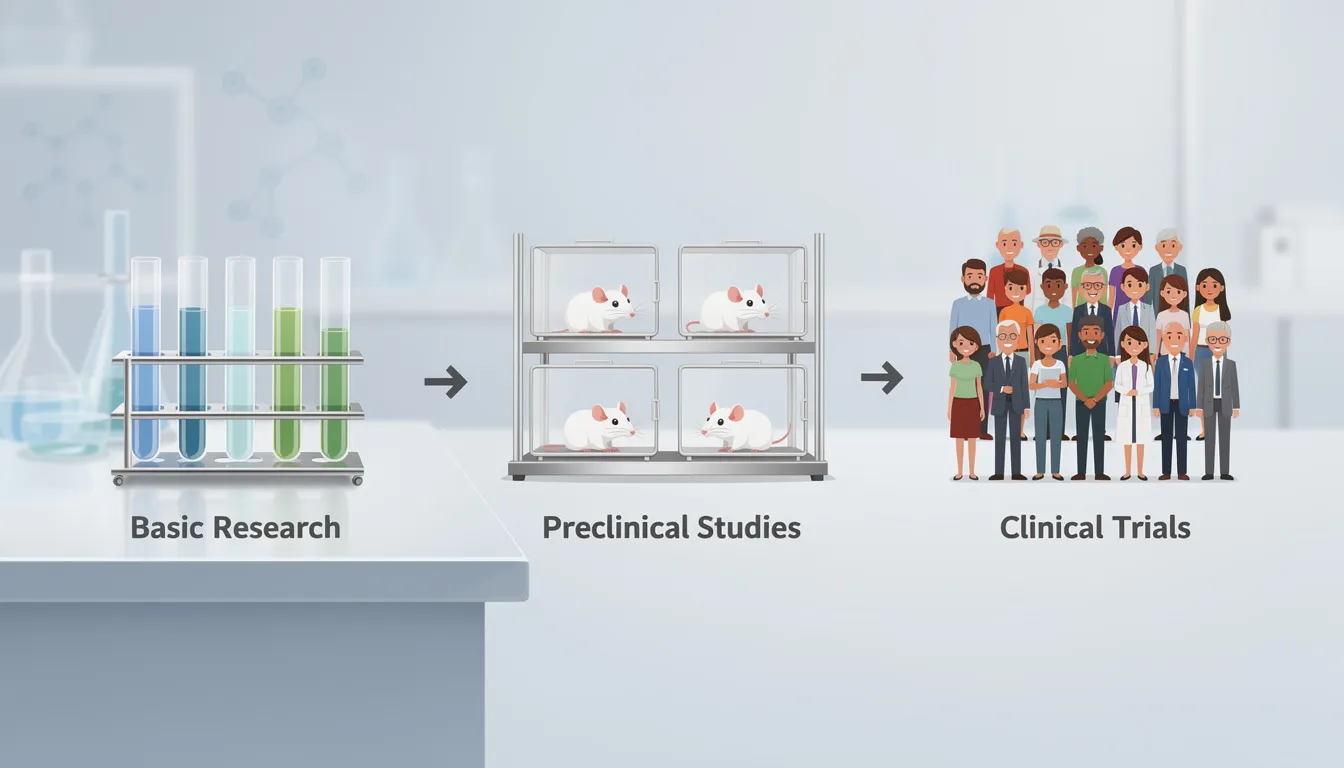
When evaluating NMN or any NAD+ precursor, look for information from neutral, science-focused organizations and peer-reviewed journals rather than relying solely on marketing material. The body of evidence continues to grow, and staying informed through reliable sources will help you make the best decisions.
The current data are encouraging: NMN does not appear to cause niacin-like flushing in controlled studies, positioning it as a viable option for those seeking NAD+ support without the discomfort associated with nicotinic acid. As research continues, we’ll gain a clearer picture of its full safety and efficacy profile. In the meantime, working with healthcare professionals and starting conservatively remains the wisest approach for anyone exploring these compounds.
Further Reading
Explore more articles related to this topic: