NAD supplements have become one of the most talked-about products in the longevity and anti-aging space. With bold claims about reversing cellular aging, boosting energy, and extending lifespan, it’s no wonder you’re asking whether these supplements actually deliver on their promises.
To place the evidence in context, it helps to first review our overview of NAD supplement forms, risks, and buying considerations.
The short answer requires some nuance. NAD precursors like nicotinamide riboside and nicotinamide mononucleotide do reliably raise blood NAD levels in humans—that much is well-established. But proof that they slow aging or extend lifespan in people remains limited as of 2024-2026. Let’s dig into what the scientific evidence actually tells us.
Short answer: do NAD supplements actually work?
Here’s the straightforward take: NAD supplements work at a biochemical level, but their practical benefits for anti-aging and longevity in humans are still being established.
The research shows that precursors like NR and NMN consistently increase NAD+ concentrations in blood when taken orally. Studies demonstrate dose-dependent responses—for instance, 100 mg of daily NR increased whole blood NAD+ by 22% after two weeks, scaling up to 142% at 1000 mg doses. That’s a real, measurable effect.
However, translating higher NAD levels into visible anti-aging benefits or dramatic health improvements is where the evidence gets thinner. Most human trials have been relatively short (6-24 months) and focused on biochemical markers rather than hard endpoints like disease prevention or lifespan extension.
What we know so far:
NAD precursors reliably increase NAD+ in blood and some tissues
Modest benefits for cardiovascular markers, mitochondrial function, and insulin sensitivity appear in small trials
No conclusive evidence yet for dramatic anti-aging, wrinkle reduction, or significant cognitive boosts
Long-term safety data beyond 2-3 years remains sparse
What remains uncertain:
Whether elevated NAD+ translates to meaningful lifespan extension in humans
Optimal dosing for different age groups and health conditions
How tissue-specific increases (brain, muscle, heart) compare to blood levels
Long-term effects of supplementation over decades
Most human NR and NMN trials were conducted between 2015 and 2024, with over 35 peer-reviewed studies on NR alone. Larger phase II and III trials are expected to report results between 2025 and 2027, which should provide clearer answers about therapeutic potential for specific conditions.
What are NAD and NAD supplements? (clear definitions first)
Before evaluating whether nad supplements work, you need to understand what NAD actually is and why it matters for your body.
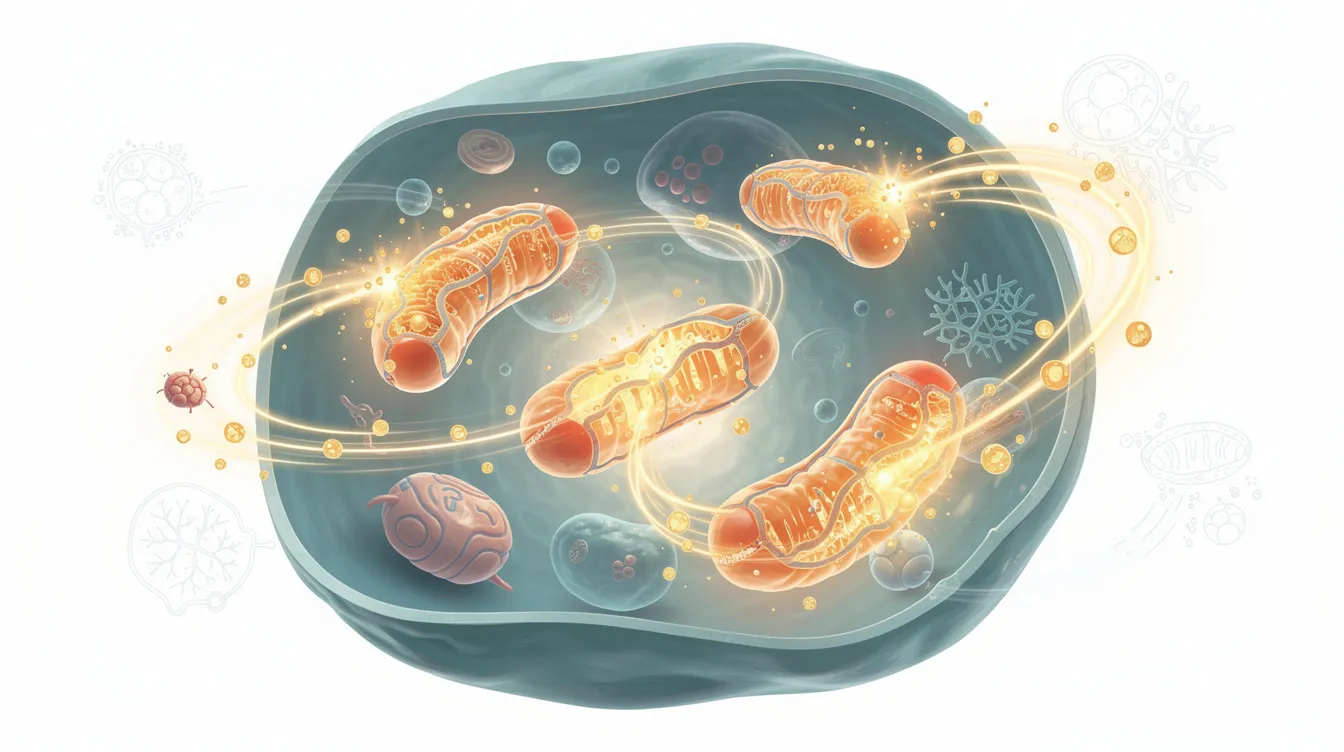
NAD stands for nicotinamide adenine dinucleotide—a molecule found in every cell of your body. It exists primarily in two forms: NAD+ (the oxidized form) and NADH (the reduced form). These two forms shuttle electrons back and forth in chemical reactions that are essential for converting nutrients from food into adenosine triphosphate (ATP), which serves as your cells’ primary fuel for energy production.
Think of NAD+ as a critical worker in your cellular machinery. Without adequate levels, your cells struggle to perform basic functions. NAD+ participates in over 500 enzymatic reactions and supports everything from metabolism to dna repair to cellular signaling. It’s genuinely vital for maintaining cellular health and overall health.
Why NAD+ declines with age
Human and animal studies consistently show that NAD+ levels decline progressively from mid-adulthood onward. Measurements indicate approximately 50% reductions in tissues like liver, skeletal muscle, brain, and skin by age 50 compared to young adults.
This decline isn’t just about getting older—it’s accelerated by:
Chronic inflammation
Metabolic stress
Poor diet and lifestyle factors
Increased activity of NAD-consuming enzymes like CD38
Low levels of NAD+ are linked to age-related problems including mitochondrial dysfunction, impaired dna repair, insulin resistance, and reduced cellular resilience. This connection between NAD+ decline and aging is what sparked interest in supplementation in the first place.
What “NAD supplements” actually contain
Here’s something crucial that many consumers miss: most “NAD supplements” don’t actually contain NAD+ itself. Oral NAD+ is poorly absorbed because enzymes in your digestive tract and bloodstream break it down rapidly before it can enter cells intact.
This limitation has been confirmed by regulatory bodies—recent National Advertising Division rulings from the Better Business Bureau noted the absence of published human studies demonstrating elevated NAD+ from oral NAD+ supplementation directly.
Instead, effective products rely on precursors that your body converts into NAD+ through natural pathways:
Nicotinamide riboside (NR): A nucleoside form that enters cells via specific transporters and gets converted to NAD+ through enzymatic steps
Nicotinamide mononucleotide (NMN): An intermediate that may require conversion to NR before cellular uptake in humans
Niacin (nicotinic acid): A classic B vitamin converted to NAD+ via the Preiss-Handler pathway
Nicotinamide (NAM): A non-flushing B3 form recycled through salvage pathways
When you see products labeled as “NAD+ boosters” or “NAD supplements,” they typically contain one or more of these precursors rather than NAD+ itself. Understanding this distinction is important for evaluating whether any particular supplement form might work for your goals.
How are NAD supplements supposed to work in the body?
Understanding the mechanism behind NAD supplementation helps you evaluate claims more critically. The process involves several steps from ingestion to cellular effect.
When you take an NAD precursor like nicotinamide riboside nr or NMN, the molecule is absorbed in your gut and transported through your bloodstream. The gut microbiota also play a significant role in the metabolism of NAD+ precursors, influencing their bioavailability and efficacy by converting compounds like nicotinamide and NR into NAD+ within the gastrointestinal tract. From there, it needs to cross the plasma membrane of your cells using specific transport proteins. Once inside, your cells convert the precursor into NAD+ through what scientists call “salvage pathways.”
These pathways are your body’s recycling systems for NAD+. Rather than building NAD+ from scratch every time (which requires more energy and resources), your cells can efficiently recycle precursors back into functional NAD+. This is why oral supplementation with the right precursors can effectively boost intracellular NAD+ levels.
Specific conversion pathways
The biochemistry varies depending on which precursor you’re taking:
NR pathway: Enters cells through equilibrative nucleoside transporters, then gets phosphorylated by nicotinamide riboside kinases (NRK1/2) to become NMN. From there, NMNAT enzymes complete the conversion to NAD+
NMN pathway: In humans, NMN may require dephosphorylation to NR in the gut or liver before cellular uptake, due to limited direct NMN transporters. This is still an area of active research
Niacin pathway: Converted via the Preiss-Handler pathway involving NAPRT enzyme to nicotinic acid mononucleotide, then onward to NAD+
Nicotinamide pathway: Recycled through the NAMPT-catalyzed salvage pathway, which is predominant in most tissues
What happens when NAD+ levels rise
In experimental models, higher intracellular NAD+ activates several important enzyme systems:
Sirtuins (SIRT1, SIRT3, and others)
Regulate gene expression through histone deacetylation
Control metabolic health through transcription factors like PGC-1α, which drives mitochondrial biogenesis
Activate FOXO proteins for stress resistance
Support healthy aging at the cellular level
PARPs (Poly ADP-ribose polymerases)
Detect and repair dna damage by signaling strand breaks
Play a critical role in repairing damage to your genetic material
However, excessive PARP activation during oxidative stress can actually deplete NAD+
CD38
A major NAD-consuming enzyme whose activity rises with age and inflammation
Can consume up to 90% of NAD+ in some inflammatory states
Higher NAD+ levels may help counter this depletion
If you want a more detailed look at why this creates uneven supplement outcomes, read why NMN responses vary, which explains the roles of CD38, NAMPT, and inflammaging in more depth.
This is why researchers believe that maintaining adequate NAD+ levels could support multiple aspects of cellular function and potentially slow some signs of aging. The key question is whether supplementation achieves meaningful effects in humans—not just cells in a dish or laboratory animals.

What does the research say: do NAD supplements work for anti-aging and energy?
This is where you need to separate promising laboratory findings from proven human benefits. The evidence paints a nuanced picture: robust results in rodent and cell studies, but more modest effects in human trials to date.
Animal research has been genuinely impressive. When scientists gave NR or NMN to middle-aged mice starting around 2013, they observed improved glucose tolerance, reduced vascular stiffness, enhanced mitochondrial function, and increased median remaining lifespan by 5-10%. Benefits like preserved muscle mass and cognitive function persisted into late life.
But mice aren’t people. Human trials have been smaller, shorter, and show more subtle effects. Let’s break down what clinical evidence actually exists across different benefit categories.
Energy and fatigue
People often report feeling “more energy” when taking NAD supplements—it’s one of the most common anecdotal claims. However, placebo-controlled NR and NMN trials conducted between 2016 and 2023 mainly show biochemical changes rather than dramatic subjective energy boosts in healthy adults.
What the research shows:
Measurable improvements in mitochondrial markers like OXPHOS complex activity
Increased NAD+ and related metabolites in blood
Some studies note improved muscle insulin signaling
Subjective energy reports are common but hard to separate from placebo effects
The disconnect between biochemical improvements and felt energy levels is important to understand. Your mitochondria may be functioning better at a cellular level without you necessarily feeling dramatically more energetic day-to-day. This doesn’t mean the supplements aren’t “working”—it means the effects may be subtle or primarily preventive rather than immediately perceptible.
Anti-aging and longevity
Here’s where expectations often exceed evidence. The longevity field has generated considerable excitement based on animal data, but human proof remains thin.
What animal studies show:
NR and NMN supplementation starting in mid-life extended healthspan in mice
Improved metabolic parameters that typically decline with age
Upregulated SIRT3 and PGC-1α, supporting mitochondrial biogenesis
Some studies showed 5-10% increases in remaining lifespan
What human studies show:
Trials up to 12-24 months have tracked biomarkers rather than actual lifespan
Changes in inflammatory markers, lipids, and vascular stiffness
No direct evidence yet that NAD supplementation extends human life
Claims about “living longer” remain speculative
Historical context matters here. NAD+ research traces back to its discovery in 1906, but modern supplement interest exploded after David Sinclair’s work on yeast sirtuins in the 2000s and mouse studies by Imai and others post-2013. The field is still relatively young in terms of human data.
Metabolic and cardiovascular markers
This is arguably the strongest area of clinical evidence for NAD supplements, though effects remain modest compared to established interventions.
Insulin sensitivity and blood sugar:
In postmenopausal women with prediabetes, NR improved insulin sensitivity by 20-30% via enhanced muscle signaling
Overweight individuals saw mixed results—NAD+ levels rose but blood sugar parameters didn’t always change
Type 2 diabetes patients experienced doubled insulin production in one study, though HbA1c and glucose levels remained unchanged
These effects in targeted populations don’t necessarily apply to healthy middle aged adults
Cardiovascular system benefits:
NR at 500-2000 mg daily over 12 weeks doubled blood NAD+ in heart failure patients (mean age 59)
Modest reductions in systolic blood pressure by 5-10 mmHg observed in some older adults
Decreased arterial stiffness in certain study populations
Slight improvements in lipid profiles and reduced inflammatory markers like IL-6
Maintaining a healthy heart may depend on ensuring adequate NAD+ levels, which can be supported by dietary precursors such as nicotinamide, as NAD+ biosynthesis pathways are crucial for cardiac health, especially in diseased states.
Important context:
Effects are generally mild and don’t surpass lifestyle interventions like exercise or dietary changes
NAD supplements should not replace medications prescribed for metabolic health conditions
Benefits appear more pronounced in people with existing metabolic dysfunction than in healthy individuals
Cognition and brain health
Early-stage data suggests potential, but strong evidence for cognitive benefits is still lacking.
What we know:
NR has been confirmed to cross the blood-brain barrier and elevate cerebral NAD+ after a single dose in at least one study
Young patients with ataxia showed improved scores after 4 months of NR supplementation (though this study lacked a placebo control)
ALS patients on EH301 (an NR variant) at 1200 mg daily gained 0.5 kg muscle and lost 1 kg fat over 16 weeks versus placebo, with sustained functional improvements at one year
What remains unclear:
Whether NAD supplementation prevents or slows dementia in at-risk populations
Optimal dosing for brain-specific benefits
Long-term cognitive outcomes in healthy aging adults
How brain NAD+ levels correlate with blood measurements
Human cognition trials are limited in size and duration. There are signals for improved brain metabolism, but not yet strong evidence that NAD supplements protect against cognitive decline in the general population.
Different types of NAD supplements: NR, NMN, niacin & more
Not all NAD-related supplements are created equal. Your outcomes can depend heavily on which precursor you choose, the dose, and how your body processes it. Here’s a comparison of the main forms available.
Nicotinamide riboside (NR)
NR is the best-researched modern NAD precursor, with over 30 human clinical trials published by 2024.
Key characteristics:
Reliably raises blood NAD+ in a dose dependent manner
Typical study doses range from 250-1000 mg daily
Associated with changes in mitochondrial and inflammatory markers
Shows mild improvements in some cardiometabolic parameters
Generally well-tolerated with safety data up to 2000 mg daily
What the research shows:
300-1000 mg doses over 6-8 weeks boosted peripheral blood mononuclear cell NAD+ by 60%
NAAD (a marker of NR utilization) increased sevenfold in some studies
Improvements in body composition observed in obese adults in certain trials
NR has the most robust clinical evidence base and regulatory acceptance, making it a reasonable choice for those wanting to try NAD supplementation.
Nicotinamide mononucleotide (NMN)
NMN has generated significant consumer interest, though human research is less extensive than NR.
Key characteristics:
Studied in fewer but growing numbers of human trials (four 12-week randomized controlled trials by 2024)
Shown to raise NAD+ and improve insulin sensitivity in some mid-life adults
Typical study doses range from 250-600 mg daily
Variable physiological effects beyond NAD+ elevation
What the research shows:
250 mg daily produced sixfold whole blood NAD+ increases in older men over 12 weeks
Related metabolites like MeNAM increased 32-fold and Me2PY eightfold
Improved muscle insulin sensitivity and submaximal exercise capacity in some studies
Null results on cardiovascular, cognitive, and sleep metrics in other trials
Regulatory considerations:
Post-2022 FDA actions created some regulatory uncertainty in the US market
Status varies by country, so check current local rules before purchasing
Some products may have been reformulated or removed from sale
Niacin (nicotinic acid)
This classic B3 vitamin has been used medically for decades, primarily for lipid management.
Key characteristics:
Used at gram doses historically to lower LDL cholesterol and raise HDL
Reliably increases NAD+ through the Preiss-Handler pathway
Causes flushing (warmth, redness, itching) via GPR109A receptor activation
Potential for liver toxicity at high doses above 500 mg
What the research shows:
Historical trials demonstrated significant effects on lipid profiles
Large cardiovascular outcome trials in the modern statin era showed limited additional benefit when niacin was added to existing therapy
Flushing affects 20-50% of users at doses above 50 mg
Niacin remains available and inexpensive but is less commonly recommended specifically for NAD+ boosting due to its side effect profile.
Nicotinamide (NAM)
Also known as niacinamide, this is the non-flushing form of vitamin B3.
Key characteristics:
Supports NAD+ synthesis through the salvage pathway
No flushing effect
May inhibit some sirtuins at high doses (above 3 grams)
Long-term safety demonstrated in skin cancer prevention trials
Best uses:
Adequate for meeting basic B vitamin needs
Used in dermatology for skin health
Less optimal than NR/NMN for specifically boosting NAD+ at higher levels
Other marketed forms
You’ll encounter various other NAD supplement form options marketed with bold claims:
“NAD+ capsules”: Often contain NAD+ that breaks down to precursors before reaching cells
Liposomal NAD+: Claims enhanced absorption, but controlled human data proving superiority is weak or absent
IV NAD+ infusions: Popular in some wellness clinics, but no published evidence they outperform oral precursors
NAD+ injections: Similar lack of comparative human data
The key point: evidence that these alternative delivery methods outperform well-studied oral NR or NMN is currently lacking in controlled human research.
Safety, side effects, and who should be cautious
Human trials lasting up to 1-2 years generally show that NR, NMN, niacin, and nicotinamide are well tolerated at studied doses. However, this does not guarantee safety for decades of continuous use—long-term data simply doesn’t exist yet.
Common side effects
Most reported side effects are mild and affect a minority of users:
Nausea or digestive upset: Occurs in roughly 5-10% of trial participants
Headaches: Occasionally reported, usually mild and transient
Sleep disturbances: Some users report difficulty sleeping if supplements are taken late in the day
Flushing and itching: Primarily associated with niacin, not NR or NMN
These side effects typically resolve with dose adjustment or timing changes. Taking supplements with food often reduces digestive issues.
Higher-risk scenarios
Certain populations or health conditions warrant extra caution:
Liver concerns:
Niacin carries potential hepatotoxicity risk at high doses
People with active or past liver disease should avoid high-dose B3 supplementation without medical supervision
NR and NMN have shown better liver safety profiles, but caution still applies
Kidney impairment:
Many supplements and their metabolites are renally cleared
Reduced kidney function may alter how your body processes these compounds
Consult your healthcare provider before starting
Cancer considerations:
Theoretical concern exists that boosting NAD+ and energy metabolism might support fast-dividing cells
However, rodent data actually show tumor suppression via sirtuin activation in some contexts
Data are not conclusive either way
People with active cancer or high cancer risk should discuss with their oncologist
Groups requiring medical supervision
The following individuals should not use NAD supplements without explicit guidance from a qualified healthcare provider:
Children and teenagers (no safety data in pediatric populations)
Pregnant or breastfeeding individuals (effects on fetal development unknown)
People taking multiple prescription medications (potential interactions with blood pressure or diabetes drugs and other medications)
Patients enrolled in oncology, cardiovascular, or autoimmune treatment programs
Anyone with significant chronic health conditions
Interactions with medications
While serious drug interactions haven’t been widely reported, theoretical concerns exist:
Blood pressure medications: NAD supplements may have mild blood pressure effects
Diabetes medications: Potential for additive effects on insulin sensitivity
Chemotherapy agents: Unknown interactions with many cancer treatments
Always disclose supplement use to all your healthcare providers, especially before any medical procedures or when starting new medications.
How to evaluate an NAD supplement and set realistic expectations
Product quality, dose, and transparency matter far more than marketing slogans or “biohacking” claims. The supplement industry is largely self-regulated, making informed consumer choices essential.
What to look for on a label
Before purchasing any NAD supplement, examine the label carefully:
Clear form identification:
Look for explicit listing of NR, NMN, niacin, or nicotinamide
Be skeptical of vague terms like “NAD+ complex” or “NAD matrix”
Avoid products that don’t specify which precursor they contain
Precise dosing information:
Exact milligram dose per capsule should be listed
Daily serving size and total milligrams per serving
Avoid proprietary blends that hide true amounts behind combined totals
Quality indicators:
Third-party testing certifications (NSF, USP, Informed Sport)
GMP (Good Manufacturing Practices) compliance
Batch testing for purity and potency
Transparent manufacturing processes
Bioavailability considerations:
Quality NR products show 40-90% bioavailability variation
Some products add ingredients claimed to enhance absorption
Evaluate these claims skeptically without supporting data
Setting realistic goals
Manage your expectations based on what scientific evidence actually supports:
What you might reasonably expect:
Measurable increases in blood NAD+ levels (if you get tested)
Possible subtle improvements in energy levels or recovery over weeks
Mild effects on metabolic markers in susceptible populations
Support for cellular energy production at the cellular level
What you should not expect:
Dramatic visible anti-aging effects
Significant wrinkle reduction or skin transformation
Immediate energy boosts comparable to caffeine
Guaranteed protection against age-related diseases
Lifespan extension (no human data supports this yet)
Any effects on energy or recovery may take weeks to notice and may be indistinguishable from placebo for many healthy people. This doesn’t necessarily mean the supplement isn’t working—it may mean effects are primarily at the cellular level or preventive rather than immediately perceptible.
Ongoing evaluation
Rather than assuming lifelong supplementation is appropriate:
Monitor for side effects, especially in the first few weeks
Consider baseline and follow-up NAD+ testing if available and affordable
Reassess value and necessity every 3-6 months with your clinician
Adjust dosing based on response and any health changes
Be willing to discontinue if no benefit is perceived or if concerns arise
The lifestyle foundation matters more
Supplements should complement, not replace, the pillars of healthy aging:
Quality sleep and circadian rhythm maintenance
Regular physical activity including both cardio and resistance training
Nutrient-dense diet providing essential nutrients
Stress management and social connection
Avoiding smoking and excessive alcohol
Other things, such as maintaining a healthy lifestyle and skincare routine, are important steps alongside or instead of NAD-related interventions for improving skin health and fighting signs of aging.
These fundamentals have stronger evidence for long-term health benefits than any supplement currently available.
Natural ways to support NAD levels without supplements
Several lifestyle strategies studied between approximately 2010 and 2024 can influence NAD+ metabolism, often with broader health benefits than supplements alone. If you’re looking to support NAD+ naturally—or want to maximize the impact of supplementation—these approaches are worth prioritizing.
Exercise
Regular physical activity is one of the most effective ways to support NAD+-related enzymes naturally.
What research shows:
Endurance training increases expression of NAMPT (the rate-limiting enzyme in NAD+ salvage) by 20-50% in muscle tissue
High-intensity interval training activates sirtuins like SIRT1 and SIRT3
Exercise promotes mitochondrial biogenesis through PGC-1α activation
Both aerobic and resistance training contribute to these effects
Practical application:
Aim for 150+ minutes of moderate activity or 75+ minutes of vigorous activity weekly
Include both cardio and strength training for complementary benefits
Consistency matters more than intensity for long-term metabolic health
Calorie balance and intermittent fasting
Time-restricted eating and moderate calorie restriction activate pathways that are NAD+-dependent.
Mechanisms:
Fasting activates AMPK, which works synergistically with sirtuins
Caloric restriction increases NAD+ availability by reducing competition from anabolic processes
These effects may explain some of fasting’s metabolic benefits
Practical application:
Consider time-restricted eating windows (e.g., 16:8 or 14:10)
Avoid chronic excessive calorie intake
Balance with adequate nutrition—severe restriction is counterproductive
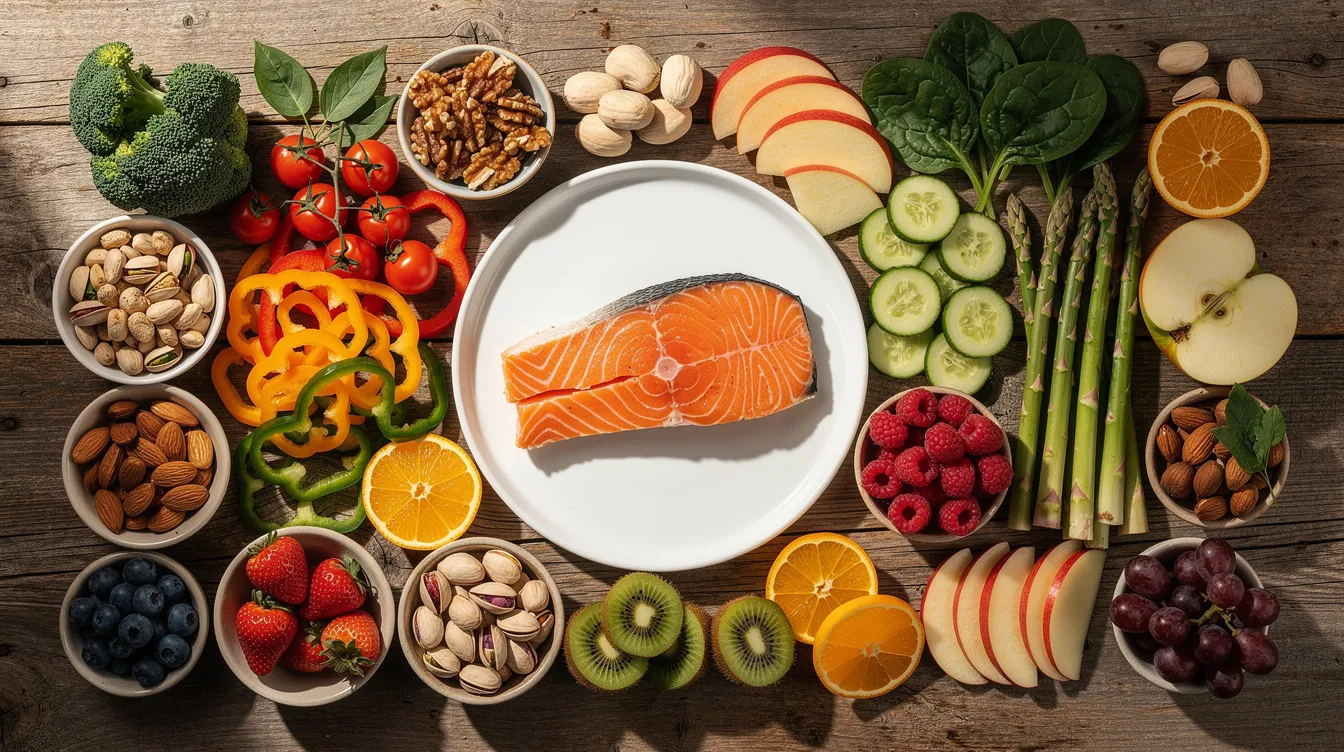
Dietary sources of B3
Your body can synthesize NAD+ from dietary precursors found in common foods. A diet rich in these nutrients supports baseline NAD+ production.
Good food sources include:
Poultry: Chicken and turkey provide substantial niacin
Fish: Tuna contains approximately 20 mg niacin per 100g; salmon is also excellent
Legumes: Peanuts and other legumes provide niacin
Mushrooms: Natural source of various B vitamins
Whole grains: Fortified and whole grain products contribute to B3 intake
Other sources: Beef, pork, seeds, and fortified cereals
Practical application:
Prioritize whole food sources over supplements for baseline B vitamin needs
Include variety to ensure adequate intake of related nutrients
Cooking methods affect B vitamin retention—avoid excessive processing
Sleep and circadian rhythm
NAD+ levels naturally fluctuate with your body clock, and disrupted sleep may impair NAD+-sirtuin signaling.
What research shows:
NAD+ concentrations follow circadian patterns in various tissues
Sleep deprivation disrupts metabolic pathways dependent on NAD+
SIRT1 and other NAD+-dependent enzymes are involved in circadian regulation
Practical application:
Maintain consistent sleep and wake times
Prioritize 7-9 hours of quality sleep nightly
Limit blue light exposure in evening hours
Create a sleep-conducive environment
The synergy factor
These lifestyle factors don’t just support NAD+ levels independently—they work together. Exercise combined with adequate sleep and proper nutrition creates metabolic conditions that optimize NAD+ pathways. Supplements may provide additional support, but they work best on a foundation of healthy habits.
Lifestyle changes have stronger scientific evidence for long-term health and healthy aging than any single supplement. Prioritize these foundations before considering supplementation.
Bottom line: are NAD supplements worth it right now?
After examining the evidence, here’s what we can say with reasonable confidence about whether NAD supplements work:
What’s well-established:
NAD+ is crucial for cellular energy, dna repair, and healthy aging
NAD+ levels decline with age and metabolic stress in humans
NR and NMN supplements consistently raise NAD+ levels in human blood
Effects appear in a dose dependent manner, with higher doses producing greater NAD+ increases
What’s promising but not proven:
Modest improvements in metabolic, cardiovascular, and mitochondrial markers in targeted populations
Potential benefits for insulin sensitivity in people with prediabetes
Possible cardiovascular system support in older adults
Early signals for brain health and neurodegenerative conditions
What remains uncertain:
Whether NAD supplementation extends human lifespan
Long-term effects of supplementation over decades
Optimal precursor choice, dosing, and duration for different goals
Whether benefits observed in specific populations apply broadly
Who might reasonably consider NAD supplements
NAD supplements may be worth exploring (with medical guidance) for:
Adults in mid-life or older concerned about metabolic health
People with early signs of metabolic dysfunction like prediabetes
Those looking for an evidence-based supplement to support cellular function
Individuals who have optimized lifestyle factors and want additional support
Who should probably wait
Consider holding off if you:
Are looking for dramatic anti-aging or immediate energy benefits
Haven’t addressed foundational factors like sleep, exercise, and diet
Have significant health conditions requiring multiple medications
Are unwilling to consult a healthcare provider about supplementation
The realistic perspective
Evidence-based lifestyle habits remain the foundation of healthy aging and longevity. Regular exercise, quality sleep, stress management, and a nutrient-dense diet rich in whole grains, quality proteins, and vegetables have far more supporting evidence than any NAD supplement.
NAD supplementation should be considered an optional, experimental layer on top of those basics—not a replacement for them. The supplements may contribute to vitality and cellular health over time, but expecting them to dramatically slow aging or protect against disease would be getting ahead of the current scientific evidence.
If you choose to try NAD supplements, do so with realistic expectations, medical guidance, and a commitment to reassessing their value periodically. The research is promising and ongoing, but the field is still relatively young when it comes to human data. What we know in 2025-2026 will likely be refined significantly as larger, longer trials report their results.
For now, NAD supplements represent a scientifically plausible approach to supporting cellular health—just not yet a proven anti-aging breakthrough. That honest assessment should guide your decision about whether they’re worth it for you.
Reducing inflammatory markers: what does the evidence say?
Chronic inflammation is increasingly recognized as a key driver of age-related decline and many common diseases, from cardiovascular conditions to metabolic syndrome. In this context, the potential for NAD supplements to reduce inflammatory markers has become a focal point of scientific research and clinical interest.