If you’ve been exploring supplements for energy, healthy aging, or fertility support, you’ve likely encountered NAD. But once pregnancy enters the picture, the rules change. The question of whether you can take NAD while pregnant requires a careful look at what we know, what we don’t, and how to make informed decisions with your healthcare provider.
If you are approaching this topic for the first time, begin with our guide to NAD supplements and their evidence base before reading the pregnancy-specific cautions here.
This guide breaks down the current science, distinguishes between safe and potentially risky forms of NAD support, and provides practical steps for women who are pregnant, breastfeeding, or trying to conceive.

Short Answer: Is NAD Safe in Pregnancy?
Here’s the straightforward answer: nicotinamide adenine dinucleotide and its precursors—including nicotinamide riboside (NR), nicotinamide mononucleotide (NMN), niacin, and nicotinamide—lack comprehensive human safety data specifically for pregnancy. Because of this gap, non-essential supplementation is generally not recommended without direct OB/GYN approval.
This doesn’t mean all forms of vitamin B3 are off-limits. Normal dietary intake from food sources like poultry, fish, legumes, and fortified grains remains safe and essential. Standard prenatal vitamins typically provide 18 mg/day of niacin equivalents, which is the recommended daily allowance for pregnant women. This level supports baseline NAD production without venturing into pharmacologic territory.
The concern centers on high-dose NAD-boosting supplements and NAD IV therapy—the kind marketed for anti-aging, energy enhancement, or cellular support. These interventions aim to elevate NAD levels well above baseline, and their effects on fetal development remain unstudied in humans.
Key medical guidance from clinical sources:
Clinics like Promethean Clinic explicitly advise pregnant and breastfeeding women to avoid NAD therapy due to insufficient research on placental transfer
Omre’s safety guidelines underscore the absence of definitive studies proving either safety or harm
No major medical organization currently endorses NAD IV, injections, or high-dose oral supplements during pregnancy outside of research settings
It’s crucial to distinguish between two different things:
| Category | Description | Pregnancy Guidance |
|---|---|---|
| NAD in your body | Naturally present in every cell, essential for life | Normal and necessary |
| NAD therapy/supplements | Optional interventions designed to boost levels | Generally avoid without specialist approval |
| If you’re already pregnant and have been taking NAD supplements, don’t panic. No acute toxicity reports exist in human pregnancy data. Common side effects of NAD supplements include nausea, stomach discomfort, headaches, and diarrhea, so it’s important to watch for signs of adverse reactions. Consultation with a healthcare provider is advised before taking any new supplements during pregnancy. However, you should promptly review your use, dosage, and timing with your obstetric provider. Stop non-essential supplements pending that conversation, and bring the product details to your next appointment. |
What Is NAD and Why Does It Matter in Pregnancy?
NAD stands for nicotinamide adenine dinucleotide, a coenzyme present in every human cell. Think of it as a critical helper molecule that enables hundreds of biochemical reactions necessary for life.
NAD exists in two interconvertible forms: oxidized NAD+ and reduced NADH. Together, they support:
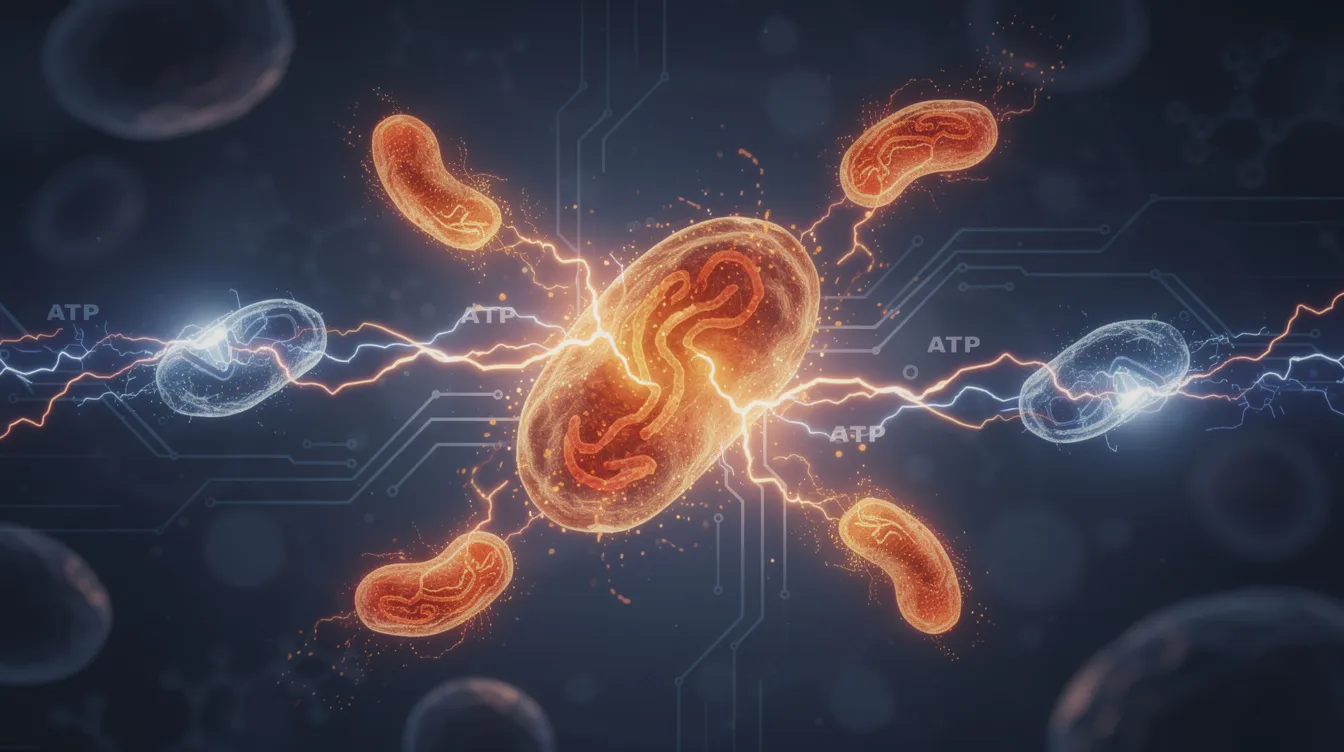
Cellular energy production: NAD facilitates ATP generation through the electron transport chain in mitochondria
DNA repair: NAD powers PARP enzymes (poly-ADP-ribose polymerases) that fix damaged DNA
Cellular signaling: NAD activates sirtuins, proteins involved in stress response and longevity pathways
During pregnancy, these NAD-dependent processes work overtime. The body undergoes dramatic changes—cardiac output increases by up to 50%, metabolism shifts to support the growing fetus, and the placenta develops its own highly active mitochondrial function.
The placenta, in particular, exhibits intense metabolic activity. It requires substantial NAD for trophoblast invasion (how the placenta embeds into the uterine wall), nutrient transfer, and hormone production. Fetal organogenesis—the formation of organs—also depends on adequate cellular energy and intact DNA repair mechanisms.
Here’s the reassuring part: your body normally maintains healthy NAD levels through vitamin B3 obtained from diet and prenatal vitamins. The liver synthesizes NAD de novo from tryptophan or recycles it via salvage pathways using niacin and nicotinamide.
NAD “boosters” like NR, NMN, or IV infusions work differently. They bypass rate-limiting enzymatic steps to spike tissue levels 2-5 fold above baseline. This is the approach marketed for anti-aging and energy enhancement—but it’s also where pregnancy safety data disappears.
For most healthy pregnancies, standard prenatal B-complex vitamins (providing 18-20 mg niacin equivalents) supply everything needed without the unknowns of aggressive supplementation.
What the Research Shows About NAD and Pregnancy
Research on NAD and pregnancy is still emerging. Much of what we know comes from animal studies, cellular experiments, and observational human data published between 2017 and 2024. Robust human trials specifically testing high-dose NAD boosters in pregnant women? They don’t exist yet.
The 2024 Preeclampsia Study
A pivotal study published on October 10, 2024 in Life Science Alliance (DOI: 10.26508/lsa.202302505) examined decreased levels of cellular NAD+ in the context of inflammation-driven preeclampsia. Researchers analyzed placentas from affected pregnancies and found:
Decreased levels of cellular NAD+ were associated with mitochondrial dysfunction and adverse pregnancy outcomes
Mitochondrial dysfunction with reduced OXPHOS complexes
Elevated inflammation markers (IL-6, TNF-α)
Increased DNA damage (elevated γH2AX)
When researchers treated placental explants with nicotinamide riboside, NAD+ levels recovered, bioenergetics improved, and oxidative stress markers dropped.
In a parallel rat model using lipopolysaccharide (LPS) to induce inflammation-driven preeclampsia, oral NR supplementation (200 mg/kg/day from gestational days 1-19) produced notable results:
| Outcome | Control Group | LPS Group (Untreated) | LPS + NR Group |
|---|---|---|---|
| Blood pressure (GD19) | 80.02 mmHg | 95.77 mmHg | 74.13 mmHg |
| Fetal weight | Normal | Restricted | Normalized |
| Placental NAD+ | Normal | Depleted | Preserved |
| These findings are promising but do not prove that routine NAD supplementation is safe or effective for pregnant humans. The doses used in rodent studies don’t translate directly to human equivalents, and lab conditions differ vastly from real-world pregnancies. |
Broader Fertility and Reproductive Research
Earlier work from the Victor Chang Institute, published in the 2017 New England Journal of Medicine, identified that genetic defects in NAD production enzymes can cause miscarriage and congenital malformations in both mice and humans. Professor Dunwoodie’s team proposed that elevated vitamin B3 (up to 10x RDA, or roughly 180 mg/day pre-conception) might reduce these risks in affected families—but this was a targeted intervention, not a general recommendation.
In reproductive aging research, animal studies show NR and NMN can improve egg quality in aged ovaries. Mouse oocytes treated with NAD precursors exhibited:
40% improvement in meiotic spindle integrity
2-fold ATP boosts
Reduced aneuploidy (chromosomal abnormalities dropped from 60% to 30%)
50% better blastocyst formation rates
Human data is limited to small IVF cohorts without pregnancy extension. As of 2026, no large randomized controlled trials have tested high-dose NAD boosters in healthy pregnant women.
Bottom line: The science is intriguing but incomplete. These findings point toward potential applications in specific complications—not a green light for self-directed supplementation during pregnancy.
Potential Benefits Being Investigated
Scientists and clinicians are genuinely interested in whether carefully targeted NAD support could help with certain high-risk pregnancy situations. But this remains experimental territory.
Hypothesized Benefits Based on Preclinical Data
The research suggests several mechanisms where NAD elevation might theoretically help:
Placental mitochondrial function: Supporting energy production in the metabolically demanding placenta
Reduced oxidative stress: NAD-dependent enzymes help neutralize reactive oxygen species
Inflammation modulation: NAD pathways interact with inflammatory signaling, potentially helping reduce inflammation in conditions like preeclampsia
DNA repair capacity: Enhanced PARP activity could support genetic integrity during rapid cell division
In the rat model of inflammation-driven preeclampsia mentioned earlier, NR at 200 mg/kg/day rescued essentially all LPS-induced problems: hypertension prevention, 20-30% fetal growth restriction attenuation, and restored placental NAD+/NADH ratios with reduced reactive oxygen species.
The 2017 Victor Chang findings suggested B3 supplementation at 10x RDA could potentially reduce miscarriage and birth defects by supporting NAD for neural crest closure and vascular development. In mouse experiments, malformation rescue was complete.
Fertility Applications (Pre-Pregnancy)
Before pregnancy, some clinics and researchers explore NAD support for female fertility and ovarian aging, particularly in women over 35. The rationale centers on improving egg quality and supporting embryo development.
Small human pilots at clinics report improved IVF response in patients using NAD precursors, but these lack published pregnancy outcomes and long-term follow-up. Any fertility-focused NAD protocol should be supervised by reproductive endocrinologists, not self-directed.
The Critical Caveat
Any discussion of benefits must be balanced against unknown long-term safety, particularly regarding fetal development. The potential advantages seen in controlled lab settings don’t automatically translate to:
Safe dosing ranges for humans
Absence of subtle developmental impacts
Benefits that outweigh unknown risks
This is precisely why self-directed high-dose NAD during pregnancy is not advised. The promising data creates a rationale for clinical trials—not for buying supplements online.
Risks, Unknowns, and Who Should Avoid NAD in Pregnancy
The primary concern isn’t proven harm from physiologic vitamin B3 intake. It’s the absence of safety data for pharmacologic or “anti-aging” doses of NAD boosters during pregnancy and breastfeeding.
Key Unknowns
Several theoretical concerns deserve attention:
Fetal organ development: NAD’s central role in cell growth and DNA repair means altered levels could theoretically influence organogenesis
Metabolic programming: Changes during gestation can affect offspring health decades later (the DOHaD hypothesis). Could aggressive NAD manipulation influence metabolic programming in ways we can’t yet detect?
Cancer risk: NAD supports cellular proliferation. While deficiency creates problems, excessive boosting during rapid fetal growth is unstudied
Placental transfer: NR and NMN have molecular weights below 500 Da, which typically allows placental diffusion. We don’t know how fetal tissues respond to elevated precursor exposure
Pregnancy itself alters supplement metabolism. The physiological changes—increased blood volume, altered liver function, shifted hormone profiles—affect how compounds are processed and could influence fetal sensitivity.
Who Should Avoid NAD Therapies
Based on current medical guidance, the following groups should avoid NAD IV infusions, injections, and high-dose oral NR/NMN unless enrolled in a clinical study or under specialist orders:
Pregnant women at any stage
Breastfeeding mothers (compounds may pass into milk)
Women with complicated pregnancies (preeclampsia, hypertension, gestational diabetes)
Those with liver impairment (NAD is metabolized hepatically)
Women in early gestation (weeks 1-8 are critical for neural tube closure)
NAD clinics consistently list pregnancy and breastfeeding as contraindications. Promethean Clinic explicitly advises against NAD therapy for these patients due to insufficient research on placental transfer and lactation passage.
Planning Pregnancy
Women planning conception should exercise caution with aggressive NAD protocols in the weeks before trying to conceive. Early embryonic development (first 4-6 weeks of gestation) is highly sensitive to pharmacologic exposures—and often occurs before pregnancy is even recognized. The first trimester is a critical period for placental development and trophoblast invasion, with NAD+ playing a role in supporting these early processes.
A reasonable approach: pause high-dose NAD protocols 4-6 weeks before actively trying to conceive, and discuss timing with both your fertility specialist and OB/GYN.
Types of NAD Supplements and Therapies You Might Encounter
When you see “NAD” in marketing materials, it can refer to several different products with varying delivery methods, doses, and theoretical risk profiles in pregnancy.
Oral Options
Direct NAD+ capsules (100-500 mg) Poor absorption—roughly 10%—due to gut degradation before reaching tissues. Claims of direct NAD+ benefits are questionable given bioavailability challenges.
Nicotinamide Riboside (NR) Sold under brand names like Niagen, typically 100-300 mg/day. Better uptake (40-60%) via NRK enzymes. This is the precursor used in many research studies.
Nicotinamide Mononucleotide (NMN) Doses range from 250-1000 mg. Converted to NR in the body before utilization. Popular in longevity communities but pregnancy data is absent.
High-dose Niacin 50-500 mg daily. Can cause flushing side effects. Historically used for cholesterol management but not typically recommended in pregnancy at pharmacologic doses.
High-dose Nicotinamide 500-2000 mg. Enters NAD synthesis via the salvage pathway. Used in some dermatology contexts but lacks pregnancy safety studies.
Parenteral Options
NAD+ IV Infusions 250-1000 mg delivered over 2-6 hours. 100% bioavailability and rapid tissue spikes. Promoted by anti-aging clinics for energy, detox, and cognitive benefits. Should be avoided in pregnancy.
Intramuscular/Subcutaneous Injections 100-500 mg doses. Similar concerns about systemic exposure as IV but potentially less rapid peaks.
Comparison Table
| Form | Typical Non-Pregnancy Dose | Pregnancy Guidance |
|---|---|---|
| Prenatal vitamin B3 | 18 mg niacin equivalents | Safe and recommended |
| Food sources | 15-20 mg/day from diet | Safe and encouraged |
| NR oral supplements | 100-300 mg/day | Avoid without specialist approval |
| NMN oral supplements | 250-1000 mg/day | Avoid without specialist approval |
| NAD+ IV infusion | 500-2000 mg/session | Avoid in pregnancy |
| NAD+ injections | 100-500 mg | Avoid in pregnancy |
| Don’t be misled by labels claiming products are “natural,” “bioidentical,” or “vitamin-based.” These descriptors don’t guarantee safety in pregnancy. FDA “generally recognized as safe” status for the general adult population does not automatically extend to pregnant women. |
Trying to Conceive vs. Already Pregnant: Different Considerations
The timing of NAD use matters significantly for risk assessment. What might be reasonable while trying to conceive becomes a different calculation once pregnancy is established.
For Women Trying to Conceive
The fertility journey is where NAD research has generated the most interest. Animal studies show NAD precursors can improve egg quality, reduce chromosomal abnormalities, and support embryo development—particularly relevant for women over 35 facing reproductive aging.
Current fertility-focused NAD research shows:
Aged mouse oocytes treated with NR/NMN exhibit improved mitochondrial membrane potential
Reduced aneuploidy rates (chromosomal abnormalities)
Better blastocyst formation and implantation rates
Some fertility clinics have incorporated NAD support into protocols for patients with diminished ovarian reserve or repeated IVF failures. However, these interventions should be:
Coordinated with reproductive endocrinologists
Part of evidence-based clinic protocols
Monitored for response and side effects
Do not add NAD boosters independently while undergoing IVF or assisted reproduction. Ask your reproductive endocrinologist whether any NAD-related protocols are appropriate within their framework—and whether they have data supporting those protocols.
For Women Who Discover They’re Pregnant After Using NAD
If you’ve been taking NAD supplements and just discovered you’re pregnant, here’s what to do:
Stop non-essential supplements pending medical advice (don’t panic—just pause)
Record product details: brand names, doses, dates of use, and frequency
Contact your obstetric provider at the earliest opportunity to discuss
Bring product information to your first prenatal appointment
The critical early window of organ formation runs roughly from weeks 3-10 of gestation. This is when the neural tube closes, the heart forms, and limb buds develop. Minimizing unnecessary pharmacologic exposures during this time is especially important—though early exposure before you knew you were pregnant doesn’t mean harm has occurred.
No acute adverse events have been reported in human pregnancies with NAD precursor exposure. The concern is theoretical, based on the absence of safety data rather than documented problems.
The Transition Point
If you’re using NAD for fertility support, coordinate with your provider about when to discontinue. A reasonable approach: halt supplements upon a positive pregnancy test, then discuss with your OB/GYN whether any continued support is warranted based on your individual risk factors.
How to Support Healthy NAD Levels Safely During Pregnancy
Here’s the reassuring news: most pregnant women can support normal NAD function through lifestyle and standard prenatal care without specialized NAD therapies or oral supplements beyond their prenatal vitamin.
Focus on Nutrient-Dense Foods
Your body synthesizes NAD from dietary vitamin B3 sources. A balanced diet can provide 15-20 mg daily—meeting or exceeding the 18 mg RDA for pregnancy.
Best food sources of vitamin B3:
| Food | Serving Size | Niacin Content |
|---|---|---|
| Chicken breast | 3 oz | ~7 mg |
| Tuna | 3 oz | ~10 mg |
| Turkey | 3 oz | ~6 mg |
| Salmon | 3 oz | ~8 mg |
| Legumes (lentils, peanuts) | 1 cup | ~2-4 mg |
| Fortified whole grains | 1 cup | ~4-6 mg |
| Other supplements and nutrients that indirectly support mitochondrial health include: |
B-complex vitamins (B1, B2, B6, B12, folate)
Iron (critical for oxygen transport and energy metabolism)
Magnesium (350-400 mg RDA in pregnancy; supports hundreds of enzymatic reactions)
CoQ10 (consult your provider about appropriate doses during pregnancy)

Choose a Quality Prenatal Vitamin
Standard prenatal vitamins provide appropriate niacin/nicotinamide levels within recommended daily allowances. Avoid “megadose” B3 formulations marketed for anti-aging or energy enhancement—these exceed what’s been studied in pregnancy.
Check your prenatal label for niacin or nicotinamide content. It should be in the 18-20 mg range, not hundreds of milligrams.
Non-Supplement Strategies
Several lifestyle factors indirectly support cellular health and mitochondrial function during pregnancy:
Adequate sleep: 7-9 hours supports cellular repair processes and reduces stress on NAD-dependent pathways
Blood sugar control: Glycemic stability reduces metabolic strain; work with your provider on gestational diabetes screening and management
Gentle physical activity: 150 minutes weekly of moderate exercise (as cleared by your OB) supports mitochondrial biogenesis
Stress management: Chronic stress depletes cellular resources; evidence-based techniques like prenatal yoga or meditation can help
Management of chronic inflammation: Work with your healthcare team on any inflammatory conditions under medical guidance
What About NAD for Specific Complications?
If you’re at risk for or diagnosed with preeclampsia, fetal growth restriction, or other complications where NAD dysfunction may play a role, the answer isn’t to self-prescribe supplements.
Any consideration of NAD-related treatment for specific pregnancy complications should occur within:
Clinical trials enrolling participants with proper oversight
Specialist-led care with maternal-fetal medicine physicians
Established research protocols with informed consent
The 2024 research on NAD in preeclampsia is promising—but it’s a rationale for future trials, not current self-treatment.
When to Talk to Your Doctor and What to Ask
Decisions about NAD in pregnancy should be individualized and made with a qualified clinician who knows your full history. It is important to recognize signs of adverse reactions or symptoms, and discuss any concerning signs with your healthcare provider. What’s appropriate for one patient may not apply to another.
Questions to Bring to Your Appointment
Consider asking your OB/GYN or midwife:
“Is my current vitamin B3 intake appropriate for my situation?”
“Are any of my current supplements acting as NAD boosters? Should I continue them?”
“Given my risk factors (age, hypertension, prior preeclampsia, family history), is there any research protocol where NAD support might be considered?”
“What are safer alternatives for the symptoms I’m trying to address?” (e.g., fatigue, mood changes)
“How should I optimize my energy levels and cellular support during pregnancy?”
Full Disclosure Matters
Your provider may not automatically assume you’re using wellness therapies like NAD IV clinics, anti-aging injections, or online NAD+ capsules. Proactive disclosure helps them give you accurate guidance.
Bring a complete list of:
All supplements (including brand names and doses)
Any IV therapies or injections received
Previous reactions to NAD products or high-dose B vitamins
Medications (including over-the-counter)
Consider Evidence-Based Alternatives
If you’re hoping NAD can help with specific goals—energy, mood, blood pressure control—ask your provider about alternatives with stronger pregnancy safety profiles:
Fatigue: Iron status evaluation, thyroid testing, sleep optimization
Blood pressure: Evidence-based medications where indicated, low-dose aspirin for preeclampsia prevention (reduces risk 10-20% in eligible patients)
Mood: Prenatal mental health screening, evidence-based therapies, safe medication options if needed
Prioritize Proven Prenatal Care
While the science of NAD and pregnancy remains in many cases not fully understood, plenty of interventions have robust evidence behind them:
Appropriate vaccinations
Regular blood pressure monitoring
Gestational diabetes screening
Low-dose aspirin for preeclampsia prevention (where indicated)
Adequate folate and prenatal nutrition
These should take priority over experimental longevity supplements until larger human pregnancy trials are available.
Key Takeaways: Can You Take NAD While Pregnant?
Here’s what you need to remember:
NAD is essential for life—it’s naturally present in every cell and crucial for energy production, DNA repair, and cellular signaling
Standard dietary B3 and prenatal vitamins are safe and important for supporting baseline NAD levels during pregnancy
High-dose NAD therapies lack pregnancy safety data—NAD IV infusions, injections, and high-dose NR/NMN supplements are generally not recommended for pregnant or breastfeeding women outside of research settings
Promising research exists but isn’t a green light—the 2024 placental and animal studies suggest potential benefits in specific complications like preeclampsia, but these findings don’t support self-directed supplementation
Timing matters—what might be reasonable while trying to conceive requires reevaluation once pregnancy is confirmed
Women already taking NAD should consult, not panic—stop non-essential supplements, record product details, and discuss with your obstetric provider
Evidence-based prenatal care should come first—focus on proven interventions while treating NAD therapies as experimental until larger human trials are available
Final Thoughts
The safest approach remains clear: focus on nutrient-dense foods, a quality prenatal vitamin, healthy lifestyle practices, and close collaboration with your pregnancy care team. Explore new interventions only within appropriate clinical contexts where dosage, monitoring, and informed consent are standard.
NAD science is genuinely exciting. The research on mitochondrial dysfunction, preeclampsia, and reproductive health may eventually lead to targeted therapies that help women with specific complications achieve a healthy pregnancy. But we’re not there yet.
Until robust human trials determine optimal dosing and confirm safety, consult your healthcare provider before using any NAD booster during pregnancy. Your body already knows how to make and maintain NAD—your job is to give it the building blocks through good nutrition and prenatal care, then let it do the work.