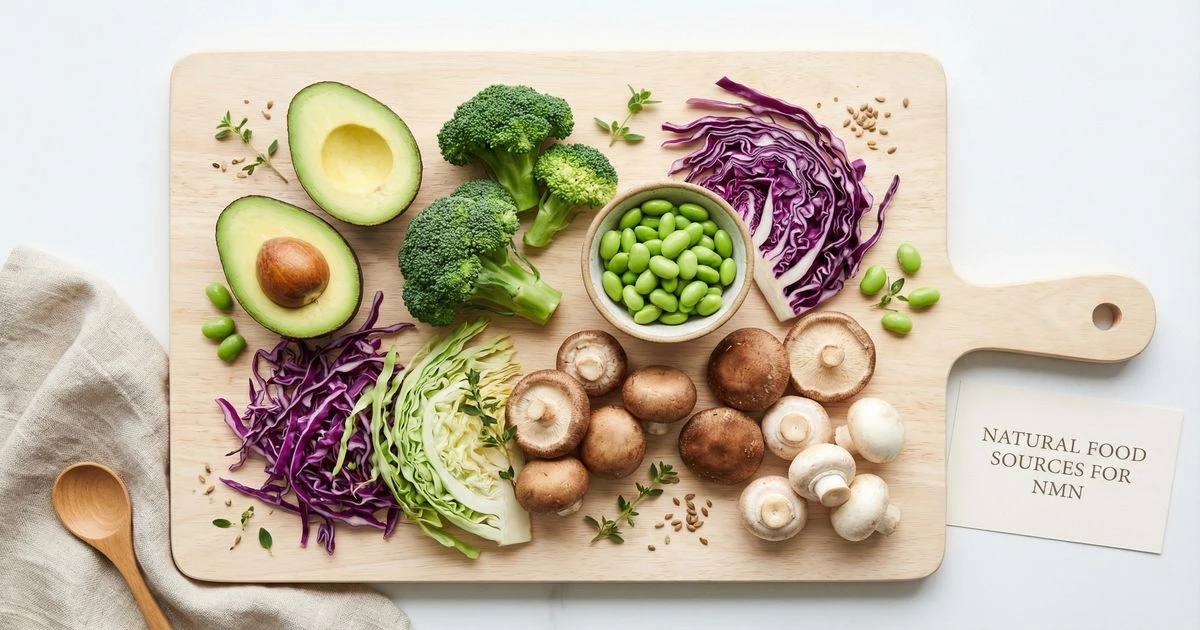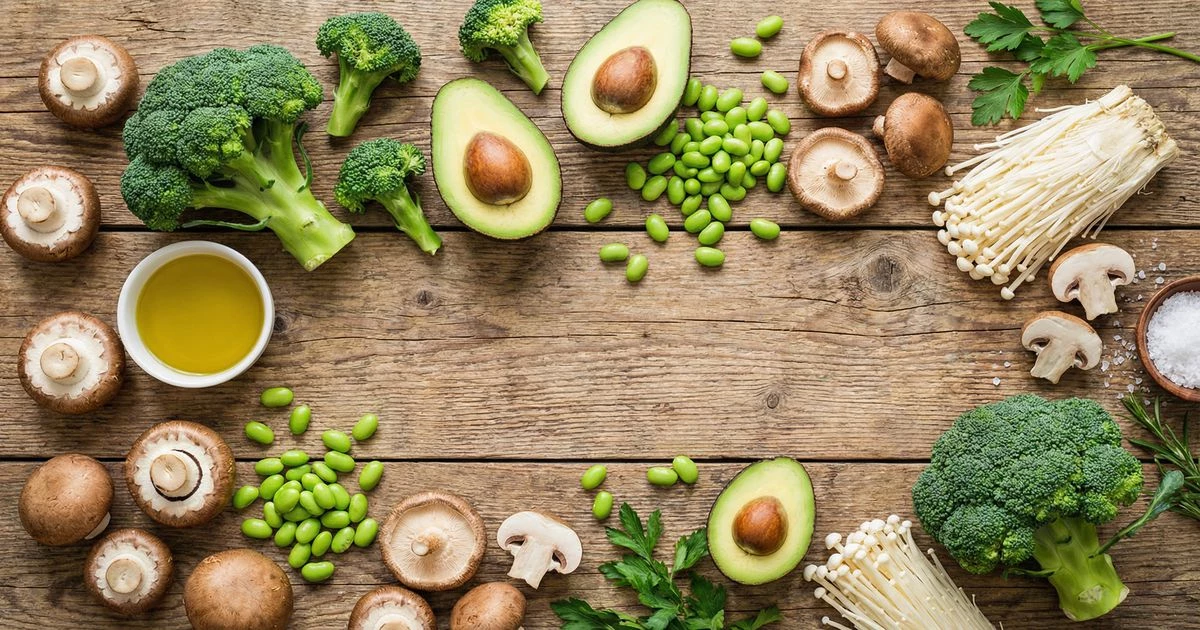

If you’ve been researching ways to support healthy aging, you’ve likely encountered nicotinamide mononucleotide nmn—a naturally occurring molecule that’s generated significant scientific interest. The question on many people’s minds is straightforward: can you skip supplements entirely and get what you need from your daily diet?
For more on natural food sources of NMN, see our dedicated guide.
The short answer requires some honest math, and the numbers tell a compelling story about the gap between food and research.
Quick Answer: Can You Realistically Get “Enough” NMN From Food Alone?
Based on current research, typical diets do not provide NMN anywhere near the amounts used in human studies. While nmn rich foods exist and contribute to your overall intake, the concentrations are measured in micrograms to low milligrams per serving—a fraction of the hundreds of milligrams per day tested in clinical trials.
To put this in perspective, consider these science-backed comparisons:
Half an avocado contains approximately 1–2 mg of NMN
A 2021 clinical trial in postmenopausal women with prediabetes used 250 mg/day for 10 weeks
That’s a gap of roughly 125–250 times what a single serving provides. You would need to eat well over 100 avocado halves daily to approach the study dose—clearly not a realistic eating pattern.
Here’s the critical point: “enough” NMN has no official definition. As of 2024, no recommended daily intake or consensus target dose exists for NMN. Regulatory bodies haven’t established guidelines because the research remains exploratory. This means that while your diet can support your body’s NAD+ system, it simply cannot match the doses used in supplementation research.
What does this mean practically? Focusing on overall health through a balanced diet, regular exercise, quality sleep, and stress management supports your body’s natural processes—even if your nmn intake from food stays modest. The foods containing NMN also deliver many other nutrients that contribute to good health.
What Is NMN and How Does It Work in the Body?
Nicotinamide mononucleotide is a vitamin b3-derived nucleotide that your human body uses as a building block for NAD+ (nicotinamide adenine dinucleotide). Think of NMN as a precursor—a raw material your cells convert into something essential for hundreds of biological processes.
The NAD+ Salvage Pathway
Your body produces NMN primarily through what scientists call the “salvage pathway.” Here’s how it works in simple terms:
Nicotinamide (a form of vitamin B3, also related to nicotinic acid and nicotinamide riboside) enters your cells
An enzyme called NAMPT converts nicotinamide into NMN
Another enzyme then converts NMN into NAD+
This pathway is called “salvage” because it recycles components rather than building them from scratch. It’s your body’s efficient way of maintaining nad levels without starting from zero each time.
What NAD+ Actually Does
NAD+ is involved in important functions throughout your body. It supports:
Cellular energy production: NAD+ is essential for mitochondria—your cells’ power plants—to convert food into usable energy through cell metabolism
DNA repair mechanisms: Enzymes called PARPs use NAD+ to fix dna damage that accumulates from normal metabolism and environmental exposures
Sirtuin enzyme activity: These proteins respond to cellular stress and influence gene expression patterns related to aging and metabolism
Circadian rhythm regulation: NAD+ levels fluctuate throughout the day and connect to your body’s internal clock
The Age-Related Decline
Research in both animal studies and human subjects has documented that NAD+ levels decline with age across multiple tissues. Some estimates suggest levels may drop by up to 50% by middle age. This observation is precisely why NMN and other NAD+ precursors like nicotinamide riboside nr have attracted significant research interest.
However, a crucial clarification: most “anti-aging” findings so far come from yeast, worms, and rodent models. Some mouse studies have shown extended lifespan and improved physical performance markers, but human data remain limited. NMN is not established as a treatment or cure for any disease, and research suggests we need more studies before drawing firm conclusions about its effects on the aging process in humans.
How Much NMN Have Human Studies Actually Used?
Understanding research doses provides essential context for evaluating whether food alone can realistically deliver meaningful amounts. Without these reference points, it’s impossible to answer the central question honestly.
Key Published Human Trials
Here’s what published nmn research has explored:
250 mg/day for 10 weeks: A 2021 randomized controlled trial enrolled postmenopausal women with prediabetes. Participants who received nmn showed changes in markers related to insulin sensitivity compared to placebo.
250 mg/day in older adults: A small study examining this dose found measurable changes in sleepiness patterns and some aspects of muscle function, though the sample size limits broader conclusions.
100 mg to 1,200 mg/day: Various safety and metabolism studies have tested different doses across this range, examining how the body absorbs and processes NMN at various levels.
Higher doses up to 900–1,200 mg/day: Some research has explored whether higher doses provide additional benefits or simply increase circulating levels without proportional effects.
What These Studies Measured
It’s important to understand what these trials actually examined. Most looked at:
Short- to medium-term biomarkers (weeks to months)
Insulin sensitivity and metabolic parameters
Aerobic capacity and physical performance metrics
Blood NAD+ levels and related metabolites
Safety and tolerability profiles
Notably, these studies did not examine:
Long-term health outcomes over years or decades
Prevention of age related diseases
Lifespan extension in humans
Effects on cognitive health over extended periods
No Official “Optimal” Dose Exists
There is no scientific consensus on what constitutes an ideal NMN dose for the general population. The research remains exploratory, and regulatory bodies have not issued dosing recommendations. What we can say is that these trial ranges—typically hundreds of milligrams daily—serve as the reference point when evaluating whether diet alone can provide “enough” NMN.
This is where the math becomes unavoidable: comparing food sources to these research doses reveals a substantial gap.
What Foods Contain NMN, and How Much Do They Provide?
NMN occurs naturally in many plant and animal foods that people eat regularly. The challenge isn’t finding foods that contain nmn—it’s the exceedingly low concentrations present in even the richest sources.
NMN Content in Common Foods
Published analyses using techniques like high-performance liquid chromatography have measured nmn content across various food categories. Here are approximate values per 100 grams (keep in mind these are rough ranges that vary by study, variety, and growing conditions):
NMN Rich Vegetables:
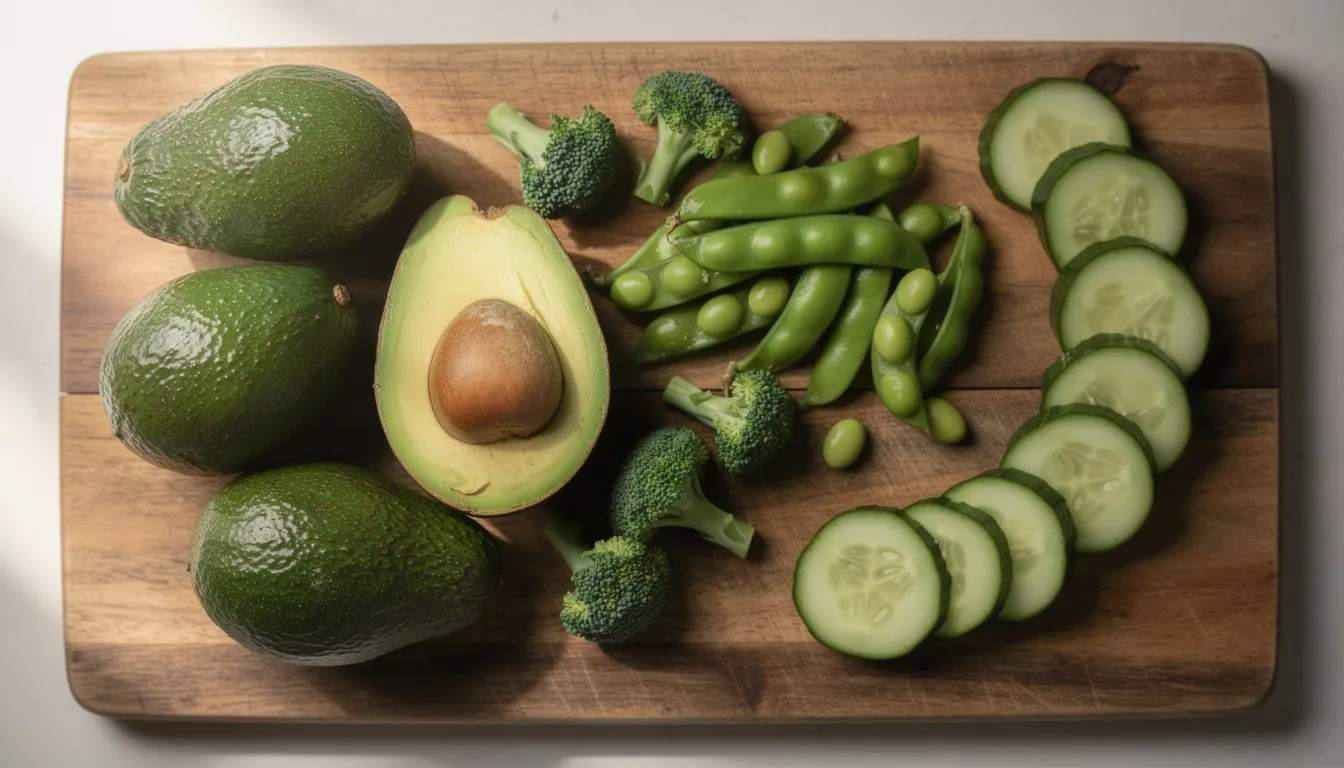
Edamame (young soybeans): 0.47–1.88 mg per 100g — the highest documented vegetable source
Broccoli: Trace amounts, typically under 1 mg per 100g
Cabbage: Similar trace levels to other cruciferous vegetables
Cucumbers: Approximately 0.1 mg per 100g
Tomatoes: 0.3–0.9 mg per 100g
Fruits:
- Avocados: 0.36–1.60 mg per 100g — among the higher fruit sources
Animal Sources:
Raw beef: 0.06–0.42 mg per 100g
Shrimp: Approximately 0.22 mg per 100g
Cow’s milk: About 0.10 mg per 100g
Other Foods:
Mushrooms: ≤0.01 mg per 100g — very low despite being rich in other B vitamins
Nuts: Around 0.50 mg per 100g
Practical Calculations
Let’s work through what these numbers mean for actual eating:
Example 1: Edamame
Top of range: 1.88 mg per 100g
To reach 250 mg (a low research dose): 250 ÷ 1.88 = 133 servings of 100g
That’s approximately 13.3 kg (29 pounds) of edamame daily
Example 2: Avocados
A typical half avocado weighs about 100g
At 1–2 mg per half, reaching 250 mg requires 125–250 avocado halves
For a 900 mg dose used in some studies: 450–900 halves daily
These quantities demonstrate why researchers use nmn supplements rather than food sources when studying higher intakes.

Heat Sensitivity Considerations
Laboratory work suggests NMN degrades with heat, light, and prolonged storage. This means:
Raw or lightly cooked preparations may preserve more NMN
Steaming is gentler than boiling for green vegetables
Fresh produce likely contains more than items stored for extended periods
However, even optimizing preparation methods cannot overcome the fundamental quantity limitation.
Can Diet Alone Match the NMN Doses Used in Research?
With current estimates, it is highly unlikely that normal eating patterns can provide NMN at levels comparable to those used in supplementation studies. The math simply doesn’t work in favor of food-only approaches.
Scenario Calculations
Broccoli Example:
Assume a generous estimate of 1 mg NMN per 100g of broccoli
To reach 250 mg/day: 250 × 100g = 25,000g (25 kg or 55 pounds)
A typical broccoli serving is about 150g, meaning you’d need approximately 167 servings daily
Avocado Example:
Using the higher estimate of 1.6 mg per 100g
To reach 250 mg/day: roughly 15.6 kg of avocado (about 78 whole avocados)
For 900 mg/day: approximately 56 kg of avocado (280 whole avocados)
Mixed Food Approach: Even combining multiple nmn rich foods in a single day—say, edamame at breakfast, avocado at lunch, broccoli at dinner, plus shrimp and tomatoes—you might achieve 5–10 mg of NMN total. That’s still 25–50 times less than the lowest common research dose.
Why Researchers Use Supplements
Given these impractical quantities, investigators studying NMN’s effects at higher intakes necessarily turn to concentrated supplemental forms. This isn’t because food sources are inferior in other ways—it’s purely a matter of concentration and practicality.
The Broader NAD+ Picture
Here’s an important nuance: not all benefits attributed to NAD+ or “healthy aging” depend specifically on NMN intake. Your body can synthesize NAD+ through multiple pathways:
From tryptophan (found in protein foods)
From nicotinic acid (a form of vitamin B3)
From nicotinamide riboside (another NAD+ precursor)
From nicotinamide through the salvage pathway
Foods rich in these various precursors all contribute to your body’s NAD+ production capacity. A diet that supports energy metabolism and provides adequate B vitamins supports this system even without massive NMN quantities.
A Realistic Perspective
Food contributes some NMN to your daily diet, and these foods deliver substantial nutritional benefits beyond their trace NMN content. However, it’s more realistic to view diet as a modest background source rather than a way to achieve pharmacological-level doses comparable to nmn supplementation studies.
How to Boost NMN and Overall NAD+ Levels Naturally (Beyond Supplements)
Even if dietary NMN remains modest, multiple lifestyle strategies can support NAD+ metabolism and contribute to healthy aging more broadly. These approaches have varying levels of scientific support, and some have stronger evidence than NMN research itself.
Dietary Strategies
Build meals around plants:
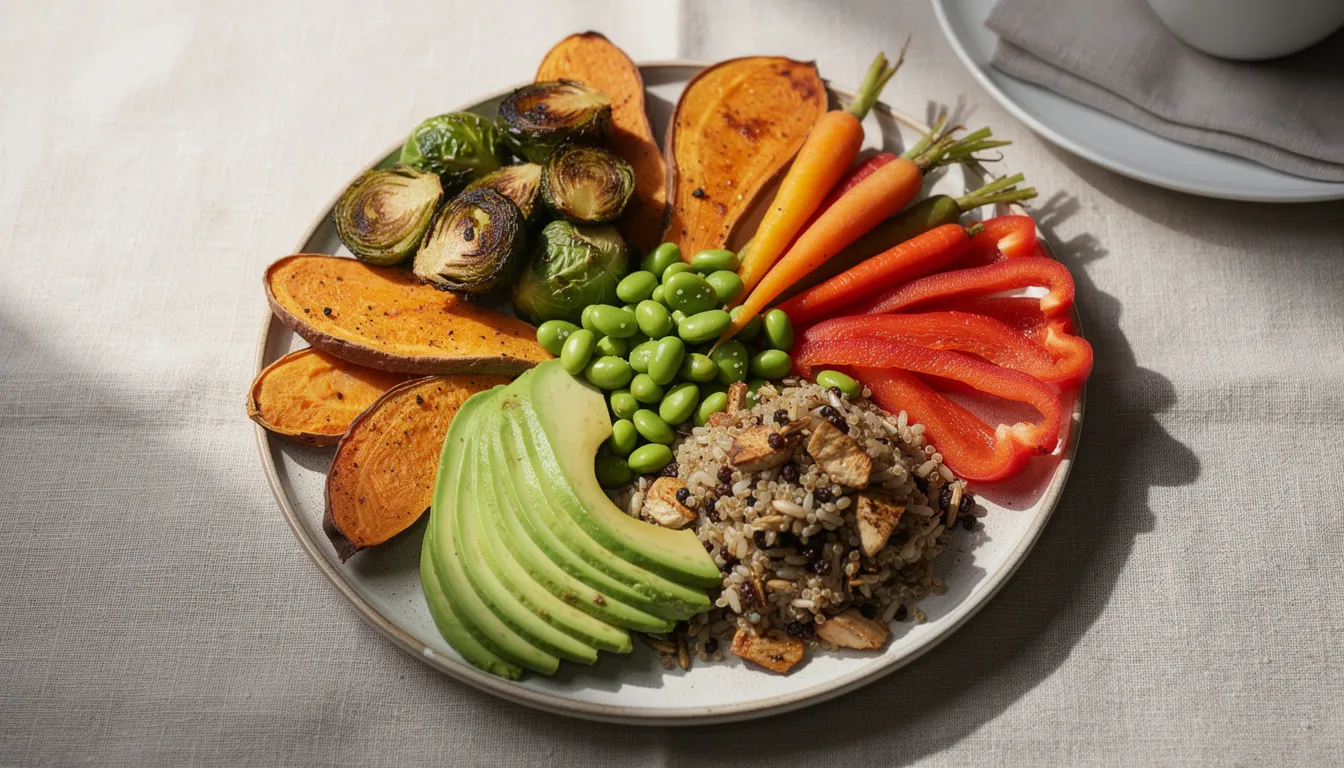
Include cruciferous vegetables (broccoli, cabbage, Brussels sprouts) several times weekly
Add edamame, tofu, or other soy foods that rank among nmn rich vegetables
Choose avocados regularly for their combination of NMN, healthy fats, and potassium
Incorporate tomatoes and cucumbers in salads and side dishes
Support NAD+ through other pathways:
Eat vitamin b3-rich foods: poultry, fish, whole grains, peanuts, mushrooms
Include adequate protein for tryptophan intake
Choose foods rich in B vitamins generally to support overall energy metabolism
Focus on nutrient synergy:
Edamame provides complete plant protein, fiber, folate, vitamin K, and manganese alongside its NMN
Avocados deliver monounsaturated fats that support nutrient absorption
Shrimp offers selenium, iodine, B12, and astaxanthin for various metabolic functions
Cooking and Food-Handling Tips
Since NMN appears heat-sensitive, consider these preparation approaches:
Steam rather than boil vegetables like broccoli and cabbage
Eat some vegetables raw in salads when palatability allows
Minimize prolonged high-heat cooking for produce
Use fresh ingredients rather than items stored for extended periods
Brief stir-frying preserves more heat-sensitive compounds than prolonged cooking
These practices also help retain vitamin C, folate, and other nutrients that degrade with heat.
Lifestyle Factors Supported by Research
Regular Physical Activity:
Research suggests exercise influences NAD+-related enzymes in muscle and other tissues
Both endurance training and moderate-intensity physical activity appear beneficial
The mechanism may involve increased metabolic demand triggering NAD+ synthesis
Sleep and Circadian Alignment:
NAD+ levels fluctuate with your circadian rhythm
Consistent sleep/wake times support natural NAD+ cycling
Morning light exposure helps calibrate your internal clock
Quality sleep may help maintain NAD+-dependent processes including reducing oxidative stress
Caloric Moderation:
Animal studies link caloric restriction with increased NAD+ and sirtuin activity
Early human work has explored intermittent fasting approaches
These strategies remain experimental and aren’t suitable for everyone
Weight loss through any sustainable approach may have related benefits
Stress Management:
Chronic stress may deplete NAD+ stores
Stress reduction practices support overall cellular health
The connection involves oxidative stress pathways that consume NAD+
Limiting Alcohol:
Alcohol metabolism heavily utilizes NAD+
Reducing consumption preserves NAD+ for other cellular functions
This represents one of the more direct lifestyle modifications for NAD+ levels

Practical Integration
Rather than viewing these as separate interventions, consider them as interconnected habits:
Morning walks provide physical activity, light exposure, and stress reduction
Meals built around vegetables deliver NMN, B vitamins, and fiber together
Consistent sleep routines support circadian alignment and recovery from exercise
Scientific Uncertainties and Safety Considerations
NMN research is promising but still emerging, particularly regarding long-term effects and optimal intakes in humans. Honest assessment requires acknowledging what we don’t yet know.
Current Research Limitations
Animal vs. Human Data:
Most mechanistic findings come from animal studies (mice, rats) and cell cultures
Animal models showing improved markers or extended lifespan don’t automatically translate to humans
The species differences in metabolism and aging are substantial
Human Trial Characteristics:
Studies so far are small (typically dozens of participants, not thousands)
Duration is short-term (weeks to months, not years)
Outcomes focus on intermediate markers rather than hard endpoints like disease prevention or lifespan
Limited data exist for populations like older adults, those with specific health conditions, or long-term users
What Remains Unknown:
Optimal doses for different ages, sexes, or health statuses
Long-term safety profile beyond current study durations
Whether raising NAD+ levels actually translates to meaningful health benefits in humans
How taking nmn compares to other NAD+ precursors long-term
Food Safety Considerations
Foods naturally containing NMN are considered safe as part of a balanced diet. These are ordinary foods—vegetables, fruits, soy products, milk, meat, seafood—with long histories in traditional dietary patterns worldwide. Eating edamame, avocados, or broccoli for their nutritional value poses no known risks related to their NMN content.
The trace amounts of NMN in food fall far below any threshold that might raise safety concerns. No evidence suggests that eating nmn rich foods causes adverse effects.
Supplement Considerations
Regarding supplements, a few neutral observations:
Regulatory treatment of NMN supplements varies across countries
In some jurisdictions, classification has been debated (for example, the FDA’s consideration of NMN’s status)
Product quality can vary significantly between manufacturers
Security verification of third-party testing and quality assurance varies by brand
The high cost of quality supplements may limit accessibility
Important Cautions
NMN is not an approved therapy for any disease. Whether from food or supplements, it has not been proven to prevent, treat, or cure any medical condition in humans.
Consult healthcare professionals if:
You have existing health conditions
You are pregnant or breastfeeding
You take medications that might interact with supplements
You’re considering substantial dietary changes
For those performing security verification of health claims: Be wary of marketing that promises specific disease prevention or reversal. Such claims exceed what current research supports.
The Bigger Picture
Focusing on overall dietary quality, physical activity, adequate sleep, and stress management has far stronger evidence for supporting long-term health than targeting any single molecule. These fundamentals support cellular health, cognitive health, heart health, and protection against age related conditions through multiple established mechanisms.
The potential benefits of NMN remain an active research area, but verification successful outcomes will require more research over longer timeframes. Meanwhile, the evidence for lifestyle fundamentals is already robust.
Practical Takeaways: Using Food to Support Your NMN and NAD+ System
Food alone probably cannot deliver research-level NMN doses, but it absolutely can contribute modest amounts within a health-promoting eating pattern. Rather than viewing this as a limitation, consider it an invitation to focus on sustainable dietary practices with multiple benefits.
Your Everyday Action Plan
Weekly Food Targets:
Aim for several servings of nmn-containing vegetables: broccoli, cabbage, cucumbers, tomatoes
Include soy foods like edamame or tofu 2–3 times weekly
Add avocados regularly for their NMN plus healthy fats and potassium
Cooking Approach:
Favor raw preparations for salads and snacks when possible
Use steaming or brief sautéing rather than prolonged boiling
Choose fresh produce over items stored for extended periods
Broader Dietary Pattern:
Keep your daily diet diverse and minimally processed
Include whole grains, nuts, and seeds for B vitamins and tryptophan
Prioritize foods rich in the full spectrum of nutrients supporting NAD+ metabolism
Maintain overall caloric balance appropriate for your activity level
Supporting Lifestyle Habits:
Build regular exercise into your routine—even moderate physical activity counts
Prioritize consistent sleep schedules and quality rest
Manage stress through approaches that work for your life
Limit alcohol consumption to support NAD+ preservation
What “Enough” Really Means
There is no evidence-based “NMN target” from food to chase. Instead, think in terms of overall dietary patterns and lifestyle practices that science consistently links with healthy aging and reduced risk of age related diseases.
The foods containing NMN—vegetables, fruits, legumes, dairy, seafood, meats—are the same foods that nutrition research broadly recommends for overall health. Eating them supports your NAD+ system while delivering protein, fiber, vitamins, minerals, and beneficial plant compounds.
A Balanced Perspective
NMN research continues to evolve, and future findings may clarify its role in human health. For now, staying curious about the science while building sustainable health habits represents the most sensible approach.
The security service your cells provide against aging and disease depends on many factors working together—not just one molecule. By eating well, moving regularly, sleeping adequately, and managing stress, you support your body’s essential systems regardless of whether you ever take an NMN supplement.
Focus on what the evidence strongly supports, remain open to new findings, and remember that good health emerges from consistent patterns rather than single interventions. Your daily choices in eating, activity, and rest create the foundation that any future optimization would build upon.
Further Reading
Explore more articles related to this topic:
- Benefits Of NMN Supplements: Science-Backed Pros, Limits, And Safety
- Health Benefits of NMN: What Science Really Shows
- NMN and Brain Health: Can Boosting NAD+ Prevent Cognitive Decline?
- NMN and Heart Health: Can It Reduce Arterial Stiffness and Blood Pressure?
- NMN and Urolithin A: The New Frontier of Mitochondrial Health in 2026