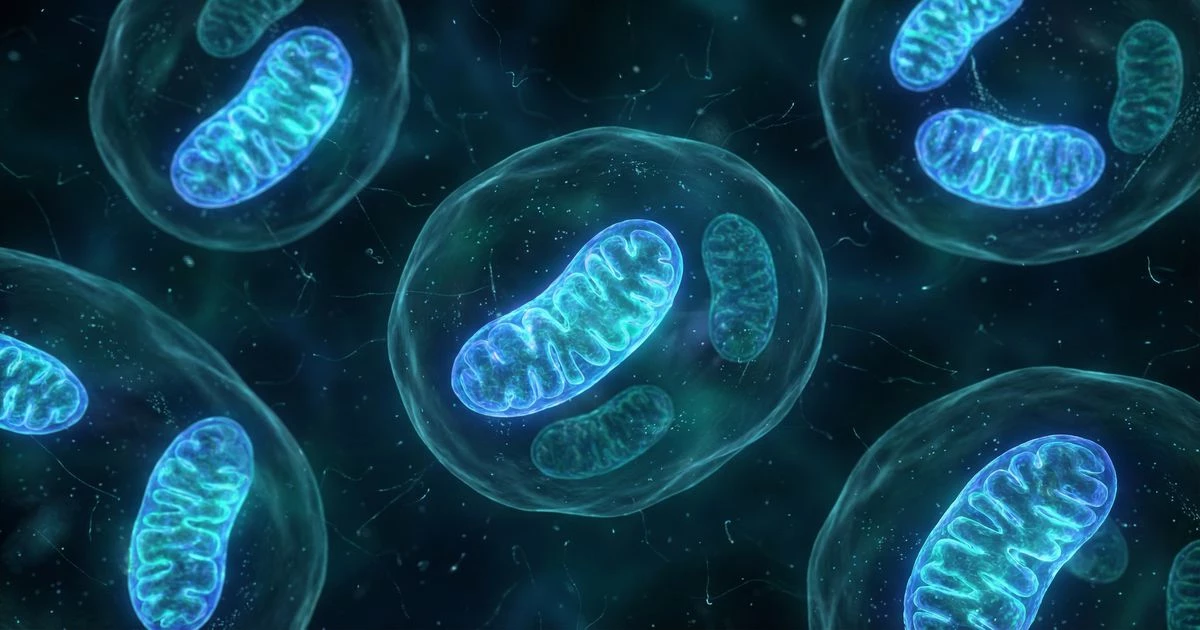

Mitochondrial health has become one of the most researched areas in longevity science, and for good reason. These tiny structures inside your cells determine how much daily energy you have, how well your body handles stress, and how gracefully you age. This guide cuts through the marketing noise to deliver an evidence-focused list of mitochondrial health supplements for 2026, grounded in peer-reviewed research and designed for readers who want real information—not hype.
Fast Answer: The Most Researched Mitochondrial Supplements in 2026
If you’re short on time, here’s the quick rundown. The supplements below represent the most studied compounds for supporting mitochondrial function, based on human and animal data available through 2024. Each one works through distinct molecular mechanisms, from boosting nicotinamide adenine dinucleotide levels to clearing out damaged mitochondria.
Top 9 Mitochondrial Health Supplements for 2026:
NMN (Nicotinamide Mononucleotide)
Urolithin A
Coenzyme Q10 (CoQ10/Ubiquinol)
Alpha-Lipoic Acid (ALA)
Pyrroloquinoline Quinone (PQQ)
Calcium Alpha-Ketoglutarate (Ca-AKG)
Acetyl-L-Carnitine (ALCAR)
Creatine Monohydrate
Resveratrol
These recommendations draw from sources including the NIH Office of Dietary Supplements, clinical trials published between 2016 and 2023, and peer-reviewed journals such as Cell Metabolism, The American Journal of Clinical Nutrition, and the Journal of Advanced Research.
Important disclaimer: This content is strictly informational and does not constitute medical advice. Individuals with diagnosed mitochondrial disease, primary mitochondrial disorders, or those taking prescription medications should consult a qualified clinician before starting any dietary supplements.
What Are Mitochondria and Why Their Health Matters
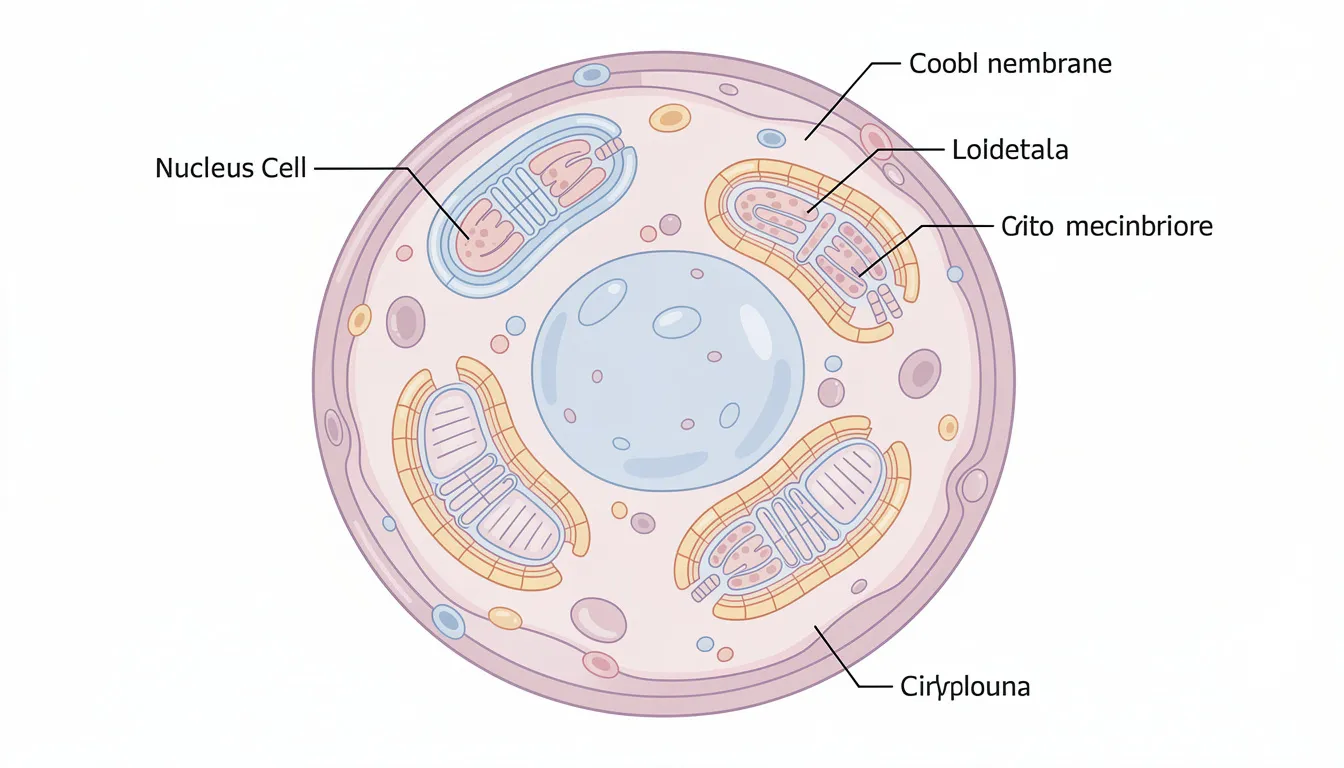
Mitochondria are often called the “powerhouses” of your cells, and the description is accurate. These organelles convert nutrients from food into adenosine triphosphate (ATP)—the molecule your body uses as its primary energy currency. Every heartbeat, every thought, every step you take depends on ATP production happening efficiently inside your mitochondria.
But mitochondria do far more than just generate energy. They regulate cell signaling, influence the aging process, help manage reactive oxygen species, and play critical roles in cellular repair. When mitochondria function well, you typically experience better endurance, mental clarity, and resilience to everyday stressors. When they don’t, the effects can ripple across virtually every system in your body.
Why Mitochondrial Function Declines
Research published in multiple reviews between 2013 and 2022 documents a consistent pattern: mitochondrial efficiency typically declines with age. Several factors contribute to this decline:
Natural NAD+ depletion: Intracellular levels of NAD+, a coenzyme essential for mitochondrial enzymes, drop by approximately 50% by age 50
Oxidative stress accumulation: Reactive oxygen species generated during normal energy metabolism can damage mitochondrial DNA and membranes over time
Impaired biogenesis: The body’s ability to create new mitochondria slows, while damaged mitochondria accumulate
Lifestyle factors: Chronic stress, poor sleep, ultra-processed diets, physical inactivity, and certain medications can accelerate mitochondrial dysfunction
The symptoms of declining mitochondrial health often appear as fatigue, brain fog, reduced exercise tolerance, and slower recovery from physical or mental exertion. These aren’t just inconveniences—they’re signals that your cellular energy production systems may need support.

How We Chose the Best Mitochondrial Health Supplements for 2026
Selecting the supplements for this guide required establishing clear, rigorous criteria. The goal was to identify compounds with genuine scientific support—not just theoretical benefits or animal-only data.
Selection Criteria
1. Human evidence prioritized Randomized controlled trials and well-designed observational studies in humans received the most weight. Animal and cell studies provided supporting context but weren’t sufficient on their own.
2. Authoritative review support Compounds needed backing from credible sources such as NIH Office of Dietary Supplements fact sheets, major review articles, or guidelines from organizations like the Mitochondrial Medicine Society (MMS).
3. Research-aligned dosing We focused on ingredients where typical supplemental doses match or approximate those used in published studies. Mega-dosing without clinical backing was avoided.
4. Known mitochondrial pathway involvement Each supplement needed a clear mechanistic role in established mitochondrial pathways: electron transport chain function, Krebs cycle activity, mitophagy, antioxidant defense, or mitochondrial biogenesis.
5. Acceptable safety profile Compounds needed documented tolerability at commonly used doses, with known side effects and drug-nutrient interactions clearly identified.
6. 2026 availability All supplements listed are commercially available as of the publication date.
Who This Guide Is For
The supplements discussed here are aimed at generally healthy adults interested in supporting healthy aging and everyday energy levels. This guide is not intended as treatment guidance for primary mitochondrial disorders (PMDs). Those conditions require specialized care from clinicians trained in mitochondrial medicine, using protocols that may differ significantly from general wellness supplementation.
9 Best Mitochondrial Health Supplements for 2026
Each supplement below is presented with its mechanism of action, key research findings, typical dosing ranges from studies, and practical safety considerations. All doses represent general ranges for adults—individual needs vary, and consulting a healthcare professional for personalized guidance is always recommended.
1. NMN (Nicotinamide Mononucleotide)
Nicotinamide mononucleotide has emerged as one of the most talked-about longevity compounds of the past decade, and the research is catching up to the interest. NMN is a direct precursor to NAD+, meaning it converts to this essential coenzyme in just one enzymatic step via the enzyme NMNAT.
Why NAD+ Matters for Mitochondria
NAD+ serves as a critical cofactor for mitochondrial enzymes involved in energy metabolism. It also activates sirtuins (SIRT1-7), a family of proteins that regulate cellular repair, stress responses, and mitochondrial biogenesis. As NAD+ levels decline with age, these protective pathways become less active.
What the Research Shows
Human clinical trials through 2023 have provided encouraging data:
Randomized trials in middle-aged and older adults demonstrate that NMN at 250-600 mg/day can measurably increase blood NAD+ levels
A study in the Journal of Advanced Research showed NMN supplementation restored NAD+ levels in aged mice, enhancing mitochondrial respiration and reducing oxidative damage markers by up to 40%
Small human studies suggest improvements in walking distance, muscle performance, and insulin sensitivity, though researchers note that evidence is still emerging
For more on NMN’s role in testosterone and muscle health, see our dedicated guide.
- Post-supplementation increases of 20-50% in NAD+ levels have been documented in human trials using intracellular assays
The advantage of NMN over other NAD+ precursors like nicotinamide riboside appears to be kinetic—NMN converts to NAD+ 2-3 times faster by bypassing slower salvage pathways.
Typical Supplemental Range
Standard dose: 250-500 mg/day
Timing: Usually taken in the morning to align with circadian NAD+ peaks
Advanced protocols: Some studies have used up to 900-1,200 mg under supervision
Bioavailability enhancement: Liposomal or sublingual forms may improve uptake; some formulations combine NMN with D-ribose, niacinamide, and creatine monohydrate to support related pathways
Safety Considerations
Most common reports include mild digestive discomfort or occasional flushing
Long-term outcome data remain limited
Because NAD+ pathways intersect with cell proliferation, individuals with cancer history or undergoing chemotherapy should discuss NMN use with an oncologist
2. Urolithin A
Urolithin A represents a different approach to mitochondrial support—rather than boosting energy production directly, it focuses on mitochondrial quality control by helping your body clear out damaged mitochondria through a process called mitophagy.
The Gut Microbiome Connection
Here’s what makes Urolithin A unique: your body doesn’t absorb it directly from food. Instead, gut bacteria convert ellagitannins found in pomegranates, walnuts, and certain berries into Urolithin A. The catch? This conversion varies dramatically between individuals based on gut health and microbiome composition. Some people produce abundant Urolithin A naturally; others produce almost none.
This variability is precisely why direct Urolithin A supplementation has gained traction—it bypasses the need for specific gut bacteria.
What the Research Shows
Human clinical studies have been encouraging:
Randomized trials between 2019 and 2022 found that 500-1,000 mg/day Urolithin A improved markers of mitochondrial function in skeletal muscle
Study participants showed modest enhancements in exercise capacity and muscle endurance metrics
Preclinical data indicate Urolithin A can restore muscle endurance in aged models by 42% through enhanced lysosomal flux
The mechanism involves PINK1/Parkin-mediated ubiquitination of damaged mitochondria, essentially tagging dysfunctional units for recycling
Typical Supplemental Range
Standard dose: 500-1,000 mg/day
Timing: With food, reflecting clinical trial protocols
Form considerations: Emerging 2025-2026 trials are exploring liposomal forms for improved bioavailability
Safety Considerations
Clinical studies report good tolerability overall
Main side effects are mild gastrointestinal symptoms in some participants
Long-term data beyond a couple of years remain limited
Urolithin A represents a postbiotic approach—it’s produced by bacteria but is itself not a living organism

3. Coenzyme Q10 (CoQ10, Ubiquinone/Ubiquinol)
Coenzyme Q10 stands as one of the most researched mitochondrial nutrients, with decades of clinical data supporting its use in cardiovascular health, neurological conditions, and primary mitochondrial disorders.
How CoQ10 Supports Mitochondria
CoQ10 performs two critical functions inside mitochondria:
Electron carrier: It shuttles electrons between complexes I/II and III in the electron transport chain, facilitating the proton motive force that drives ATP synthase
Antioxidant: As a lipid-soluble antioxidant, it reduces reactive oxygen species generated during energy production, protecting mitochondrial membranes and DNA
The challenge is that endogenous CoQ10 synthesis declines by approximately 50% by age 40. This decline is further exacerbated by statins, which inhibit HMG-CoA reductase—an enzyme involved in both cholesterol and CoQ10 production.
What the Research Shows
The NIH Office of Dietary Supplements documents CoQ10’s established role in electron transport and its investigation in primary mitochondrial disorders, heart failure, and statin-associated muscle symptoms.
Key findings include:
Multiple trials in cardiovascular and neurological contexts show CoQ10 can improve certain functional measures and reduces oxidative stress markers
The Mitochondrial Medicine Society recommends ubiquinol (the reduced form) at 2-8 mg/kg/day for primary mitochondrial disorders, with some protocols using 5-30 mg/kg/day
PMD studies document 15-30% fatigue reduction with CoQ10 supplementation
Clinical trials report safety up to 900 mg/day for 4 weeks in healthy adults
Practical case studies in PMD patients, such as those with NARP syndrome, show improved ATP production and reduced lactic acidosis when CoQ10 is combined with electron donors like riboflavin
A note on mitoquinol: This mitochondria-targeted derivative achieves 1,000-fold higher intramitochondrial concentrations than standard CoQ10 due to its triphenylphosphonium cation, which allows it to concentrate in the mitochondrial matrix. Studies show superior reactive oxygen species quenching, though it remains less commonly available than standard CoQ10.
Typical Supplemental Range
Standard dose: 100-300 mg/day
Timing: With a fat-containing meal (CoQ10 is fat-soluble)
Form considerations: Ubiquinol tends to have better absorption than ubiquinone, especially in older adults
Monitoring: Plasma or leukocyte CoQ10 levels can confirm absorption in clinical settings
Safety and Interactions
Generally well tolerated with possible mild GI upset or headache
Critical interaction: CoQ10 may affect warfarin and other anticoagulants by potentially altering clotting parameters. INR monitoring with a clinician is essential for those on blood thinners
People with chronic disease or on multiple medications should discuss CoQ10 with their healthcare provider
4. Alpha-Lipoic Acid (ALA)
Alpha lipoic acid occupies a unique position among mitochondrial nutrients—it’s both a cofactor for essential energy-producing enzymes and one of the most versatile antioxidants available, working in both water and fat environments.
The Mitochondrial Role of ALA
ALA serves as a cofactor for two critical enzyme complexes:
Pyruvate dehydrogenase: Converts pyruvate to acetyl-CoA, linking glycolysis to the Krebs cycle
Alpha-ketoglutarate dehydrogenase: A key regulatory step within the Krebs cycle itself
Beyond its cofactor role, ALA regenerates other antioxidants including glutathione and vitamin C, and chelates mitochondrial toxins such as iron and mercury. Its amphipathic nature (soluble in both water and fat) allows it to cross the blood-brain barrier, protecting brain cells and neuronal mitochondria that have particularly high energy demands.
What the Research Shows
Research in The American Journal of Clinical Nutrition reported that 600 mg/day ALA reduced oxidative markers by 30% and enhanced mitochondrial enzyme activity in patients with metabolic syndrome
European clinical practice has used ALA for diabetic neuropathy, where oxidative stress contributes to nerve damage
In primary mitochondrial disorder therapy, ALA synergizes with CoQ10 and creatine to enhance uptake and bypass energy deficits
NIH ODS documents ALA’s use in PMD “cocktails” combining multiple mitochondrial nutrients
R-ALA vs. Racemic ALA
ALA exists in two mirror-image forms: R-ALA (the natural form produced by your body) and S-ALA (a synthetic mirror). Most supplements contain racemic mixtures of both.
Research indicates R-ALA exhibits approximately twice the bioavailability of racemic mixtures, though high-quality human comparative data remain limited. For those prioritizing bioavailability, R-ALA products are available at doses of 300-600 mg/day.
Typical Supplemental Range
Standard dose: 300-600 mg/day
Timing: Often divided into two doses
Form preference: R-ALA for potentially better absorption
Safety Considerations
Possible side effects include nausea, reflux, or skin rash
Important warning: Rare reports of hypoglycemia exist in people on diabetes medications. Glucose monitoring is essential, and coordination with a healthcare provider is non-negotiable for those managing blood sugar
High doses (above 1,200 mg) may cause gastrointestinal upset and are not recommended without supervision
Those with metabolic conditions should approach high-dose protocols with caution
5. Pyrroloquinoline Quinone (PQQ)
While most mitochondrial supplements focus on improving existing mitochondria, PQQ takes a different approach: it stimulates the creation of new mitochondria altogether. This process, called mitochondrial biogenesis, may be particularly valuable as the body’s natural ability to generate new mitochondria declines with age.
How PQQ Promotes New Mitochondria
PQQ is a redox-active compound found in small amounts in foods like kiwifruit, green tea, and fermented soy. It upregulates key transcription factors:
NRF-1 and NRF-2: Nuclear respiratory factors that drive mitochondrial gene expression
TFAM: Mitochondrial transcription factor A, essential for mtDNA replication
PGC-1α: The “master regulator” of mitochondrial biogenesis, elevated by 50% in some animal studies
Cell model research shows PQQ can increase mitochondrial density by 20-30%, with one study documenting a 27% increase in mtDNA copy number in human fibroblasts.
What the Research Shows
Small human trials from 2010-2020 found that 10-20 mg/day PQQ reduced markers of inflammation and improved subjective measures like sleep quality and fatigue
Animal studies in Parkinson’s models showed PQQ preserved nigrostriatal mitochondria
PQQ also inhibits NLRP3 inflammasome activation, potentially helping with inflammation-linked mitophagy defects
Unlike NAD+ boosters, PQQ works through non-NAD+ pathways, making it complementary to NMN or other precursors
Typical Supplemental Range
Standard dose: 10-20 mg/day
Timing: With meals
Common combinations: Often paired with CoQ10 in mitochondrial support formulas
Safety Considerations
Generally well tolerated in short-term studies
Long-term, high-dose safety data remain limited
Sticking to studied ranges (10-20 mg) is prudent until more data emerge
6. Calcium Alpha-Ketoglutarate (Ca-AKG)
Alpha-ketoglutarate is a compound your body already produces—it’s a key intermediate in the Krebs cycle, the central hub of cellular energy metabolism. Supplementing with the calcium salt form (Ca-AKG) provides both the metabolic intermediate and a bioavailable source of calcium.
The Krebs Cycle Connection
Within mitochondria, alpha-ketoglutarate sits at a critical junction:
It participates in energy production through the citric acid cycle
It’s involved in amino acids metabolism and nitrogen handling
It influences cellular stress responses and epigenetic regulation
It may help maintain mitochondrial efficiency under stress conditions
What the Research Shows
Research on AKG and Ca-AKG has primarily focused on longevity and healthspan:
Animal studies from 2014-2020 demonstrated that AKG or Ca-AKG extended lifespan and healthspan in model organisms
Cell studies show support for metabolic resilience
Early human results suggest potential benefits for metabolic and bone markers, though robust outcome data remain limited
The compound is featured in several longevity-focused protocols from researchers studying the aging process
Typical Supplemental Range
Standard dose: Around 1,000 mg/day
Timing: Often split into 2 doses
Longevity protocols: Many use 1-2 g/day
Safety Considerations
Usually well tolerated
May cause mild digestive upset in some individuals
Special cautions: Individuals with kidney disease, those taking calcium-containing medications, or people prone to kidney stones should seek medical advice before supplementation
The calcium component should be considered as part of total daily calcium intake
7. Acetyl-L-Carnitine (ALCAR)
L carnitine and its derivatives have been staples of mitochondrial medicine for decades. Acetyl-L-carnitine (ALCAR) represents an enhanced form that offers particular benefits for brain health and the nervous system.
Why ALCAR Differs from L-Carnitine
Both compounds shuttle long-chain fatty acids into mitochondria for beta-oxidation—essentially helping your cells burn fat for fuel. The difference lies in a single acetyl group that gives ALCAR two advantages:
Better brain penetration: ALCAR crosses the blood-brain barrier more efficiently than standard L-carnitine
Direct acetyl donation: The acetyl group can contribute to acetylcholine synthesis and Krebs cycle entry
This makes ALCAR particularly relevant for supporting mitochondria in brain cells and muscle cells with high energy demands.
What the Research Shows
Trials using 1,000-3,000 mg/day ALCAR showed improved fatigue and cognitive performance in older adults and people with certain neurological conditions
Standard L-carnitine at 50-100 mg/kg/day is included in PMD cocktails per Mitochondrial Medicine Society guidelines for its role in conjugating acyl groups and mitigating toxin accumulation
ALCAR outperforms L-carnitine for cognitive applications due to superior brain penetration
The compound supports mitochondrial membrane stability and may enhance antioxidant capacity in neurons
Typical Supplemental Range
Standard dose: 1,000-2,000 mg/day
Timing: Often split between morning and early afternoon to align with daytime energy needs and avoid late-day stimulation
Form: The acetyl form (ALCAR) for cognitive support; standard L-carnitine for general fatty acid transport
Safety and Interactions
Side effects can include nausea, restlessness, or fishy body odor (from trimethylamine production)
Critical warning: Rare reports exist of increased seizure risk in individuals with seizure disorders
Extra caution and medical supervision are essential for people with epilepsy or on multiple neurological medications
Carnitine levels can be affected by certain medications including valproate and some antibiotics

8. Creatine Monohydrate
Creatine might seem like an unexpected entry on a mitochondrial health list—it’s best known as a sports supplement. But its mechanism of action is directly relevant to cellular energy production, and emerging research extends its benefits well beyond the gym.
The Phosphocreatine Energy Buffer
Your body synthesizes creatine from amino acids (primarily arginine and glycine) and stores it mainly in skeletal muscle and brain as phosphocreatine. This storage form serves as an immediate ATP regeneration system:
When ATP is used (becoming ADP), phosphocreatine rapidly donates its phosphate group to regenerate ATP
This buffering happens without requiring oxygen or mitochondrial involvement
It provides energy balance during high-demand states before mitochondrial ATP production can ramp up
By stabilizing energy availability during short bursts of demand, creatine indirectly reduces metabolic stress on mitochondria—they don’t have to work as hard during peak energy moments.
What the Research Shows
Creatine has one of the deepest research bases of any supplement:
Abundant sports-nutrition research confirms that 3-5 g/day improves high-intensity performance, muscle mass, and recovery
Meta analysis of studies shows consistent benefits for strength and power output
Growing data from 2010s-2020s suggest support for cognitive performance and resilience during sleep deprivation or mental stress
PMD guidelines highlight creatine’s role as an alternative energy source alongside carnitine
Deficiencies in the creatine system manifest as exercise intolerance, often resolvable within weeks of supplementation
Typical Supplemental Range
Maintenance dose: 3-5 g/day of creatine monohydrate
Loading protocol (optional): 20 g/day split into 4 doses for 5-7 days, then maintenance
Form: High-purity micronized powders ensure approximately 99% solubility
Timing: Consistent daily intake matters more than specific timing
Safety Considerations
Generally safe long-term for healthy individuals when adequately hydrated, according to multiple systematic review analyses
The old concern about kidney damage has not been supported by research in healthy populations
Important exception: People with kidney disease or on nephrotoxic medications should consult a nephrologist or primary clinician before supplementation
Mild weight gain from water retention is common and expected
9. Resveratrol
Resveratrol gained fame through the “French Paradox”—the observation that French populations had relatively low heart disease rates despite diets high in saturated fat, potentially due to red wine consumption. While the wine connection proved more complex than initially thought, resveratrol itself has demonstrated interesting effects on cellular stress responses and longevity pathways.
The Sirtuin Connection
Resveratrol is a polyphenol found in red grapes, berries, and peanuts. Its relevance to mitochondria stems from its ability to:
Activate sirtuin pathways (particularly SIRT1) that influence mitochondrial function
Support PGC-1α activity, promoting mitochondrial biogenesis
Act directly as an antioxidant, helping manage reactive oxygen species
Influence inflammatory pathways that can affect mitochondrial health
This mechanism creates potential synergy with NAD+ precursors like NMN—resveratrol may help activate the sirtuins that NAD+ powers.
What the Research Shows
Animal studies consistently show resveratrol can activate sirtuins and support mitochondrial biogenesis under certain conditions
Human trials from the 2000s through 2020s have reported modest improvements in some metabolic and vascular markers
Results are mixed and dose-dependent, with benefits more apparent in metabolically challenged populations
2026 formulations increasingly combine resveratrol with NMN or other NAD+ boosters based on mechanistic synergy
Effects on cardiovascular health markers have been documented in several clinical studies
Typical Supplemental Range
Standard dose: 100-500 mg/day
Timing: With a fat-containing meal to enhance absorption (resveratrol is poorly water-soluble)
Form considerations: Trans-resveratrol is the active form; look for standardized extracts specifying trans-resveratrol content
Safety Considerations
Usually well tolerated at standard doses
Higher doses may cause digestive upset or headaches
Important interaction: Resveratrol can affect platelet function and may interact with blood-thinning medications. People on anticoagulants or antiplatelet drugs should seek medical advice before supplementation
Very high doses are not recommended without supervision

Other Mitochondrial Nutrients with Emerging Evidence
Beyond the nine highlighted supplements, several vitamins and nutrients have long-recognized roles in mitochondrial pathways. These are frequently discussed in clinical mitochondrial medicine, though data specifically for healthy users seeking optimization are more limited.
B-Vitamins: The Essential Cofactors
B-vitamins are fundamental to mitochondrial function:
| Vitamin | Role | Typical Range | Notes |
|---|---|---|---|
| Thiamine (B1) | Cofactor for pyruvate dehydrogenase (as TPP) | 50-100 mg (fat-soluble forms) | Essential for carbohydrate entry into Krebs cycle |
| Riboflavin (B2) | Generates FAD/FMN for ETC complexes I/II | 25-100 mg (as riboflavin-5-phosphate) | Studies show fatigue reduction in mitochondrial disease |
| Niacin (B3) | Precursor for NAD+ | 50-100 mg (as niacinamide) | Supports NAD+ pools; flush-free niacinamide form preferred |
| B6 and B12 | Support methylation and amino acid metabolism | Standard supplemental ranges | Important for overall metabolic function |
| B-vitamin deficiencies affect 30-50% of aging populations and can amplify the effects of NAD+ booster supplementation. |
Antioxidant Vitamins
Vitamin C: Water-soluble antioxidant that helps regenerate other antioxidants and may protect mitochondrial function at appropriate doses
Vitamin E: Fat-soluble protection for mitochondrial membranes, though high doses may interact with anticoagulants
L-Carnitine (Standard Form)
The non-acetylated form remains a classic support for fatty-acid transport into mitochondria, especially relevant in contexts of carnitine deficiency or secondary depletion from medications.
Magnesium
Often overlooked, magnesium activates ATP synthase and over 300 enzymes. Low levels correlate with up to 20% drops in ATP output. Supplemental forms like glycinate or malate (300-400 mg/day) offer good bioavailability.
L-Arginine
At 3-6 g/day, L-arginine has been used to mitigate stroke-like episodes in MELAS syndrome by boosting nitric oxide for vascular support and aiding urea cycle detoxification.
Practical recommendation: Rather than high-dose self-experimentation with individual nutrients, consider checking overall nutrient status with a clinician and focusing on a balanced multinutrient base if your diet is suboptimal. Whole foods remain the foundation—nutrients from leafy greens, colorful vegetables, and healthy fats provide mitochondrial support in their natural form.
Safety, Side Effects, and Drug-Nutrient Interactions
“Natural” does not automatically mean “risk-free.” This principle becomes especially important when combining dietary supplements with prescription medications or stacking multiple high-dose products.
Common Side Effects Across Mitochondrial Supplements
Most side effects from the supplements discussed are mild and manageable:
Nausea or GI discomfort
Headache
Restlessness or sleep disturbance
Mild flushing (particularly with niacin-related compounds)
These issues typically improve by:
Lowering the dose
Taking supplements with food and water
Splitting doses throughout the day
Choosing better-tolerated forms (ubiquinol vs. ubiquinone, R-ALA vs. racemic)
Critical Drug-Nutrient Interactions
Based on NIH Office of Dietary Supplements documentation and clinical literature, several interaction themes deserve attention:
Anticoagulant interactions:
CoQ10 and high-dose vitamin E may affect warfarin activity by influencing clotting factor metabolism
INR monitoring is essential for anyone on blood thinners
Resveratrol’s effects on platelet function warrant similar caution
Metabolic medication interactions:
Niacin can influence blood glucose levels and may interact with lipid-lowering therapy
ALA may cause hypoglycemia in people taking diabetes medications
Vitamin C and E combinations may affect lipid profile changes when combined with statins and niacin
Carnitine and neurological medications:
Carnitine levels can be depleted by valproate and some antibiotics
ALCAR and L-carnitine require caution in seizure disorders
Practical Safety Guidelines
Share your full supplement list with your healthcare team, especially cardiologists, neurologists, and oncologists
Start one new supplement at a time and monitor for changes over 2-4 weeks before adding another
Use conservative doses unless under professional supervision
Document any changes in energy, sleep, mood, or physical symptoms
Report unusual symptoms promptly to your healthcare provider
How to Choose a High-Quality Mitochondrial Supplement in 2026
Quality and dose accuracy matter enormously in the supplement industry. Unlike pharmaceutical drugs, dietary supplements do not require premarket approval for efficacy. The responsibility for choosing quality products falls largely on consumers.
7 Selection Tips for 2026
1. Look for third-party testing Certifications from NSF, USP, Informed-Choice, or similar organizations verify identity, potency, and contaminant screening. These seals indicate independent verification that what’s on the label matches what’s in the bottle.
2. Demand transparency Prefer brands that disclose exact ingredient amounts and standardized extract specifications. Avoid “proprietary blends” that hide individual doses behind a combined total.
3. Match clinical doses Choose products with doses matching those used in published research. A 50 mg CoQ10 capsule requires taking 4-6 daily to reach effective ranges—that’s both inconvenient and expensive compared to properly dosed products.
4. Consider bioavailability Where evidence exists, choose forms with better absorption:
Ubiquinol over ubiquinone for CoQ10
R-ALA over racemic ALA
Liposomal forms where comparative data support them
5. Avoid excessive stimulant stacking Some “energy” products bundle mitochondrial ingredients with high-dose caffeine, synephrine, or other stimulants. If you’re sensitive to stimulants, these combinations can cause anxiety, insomnia, or cardiovascular stress.
6. Check manufacturing standards Look for GMP (Good Manufacturing Practices) compliance, documented on the label or company website.
7. Verify freshness Check manufacture dates and expiration dates. Some compounds (particularly CoQ10 and certain B-vitamins) degrade over time, especially if improperly stored.
Red Flags to Avoid
Extraordinary health claims or “miracle cure” language
Massive doses far exceeding clinical research ranges
No third-party testing or quality certifications
Unclear ingredient sourcing or manufacturing location
Pricing dramatically below market rates (often indicates quality compromise)
Lifestyle Foundations That Amplify Mitochondrial Supplements
Here’s a truth that supplement marketing often obscures: no pill can compensate for poor lifestyle habits. The supplements work best as additions to—not replacements for—behaviors that human studies consistently link to better mitochondrial function.
The Four Pillars of Mitochondrial Health
1. Movement
Regular aerobic exercise and resistance training are repeatedly shown to increase mitochondrial density and efficiency in skeletal muscle. This effect is independent of supplementation.
Practical targets:
150-300 minutes per week of moderate aerobic activity
2 strength training sessions per week
High-intensity interval training (HIIT) boosts PGC-1α by approximately 25% in research settings
Adjust intensity and volume based on individual ability and recovery
2. Nutrition
A Mediterranean-style eating pattern—rich in vegetables, fruits, whole grains, legumes, nuts, olive oil, and fish—is associated with better metabolic and mitochondrial markers across multiple studies.
Key principles:
Emphasize nutrient-dense whole foods
Include adequate protein for muscle maintenance
Limit ultra-processed foods and excess added sugar
Consume healthy fats that support mitochondrial membrane health
Stay adequately hydrated
3. Sleep
Good sleep (7-9 hours of consistent, high-quality rest) supports:
Mitochondrial repair processes that occur during deep sleep
Hormonal balance linked to energy metabolism
Cognitive function and cellular repair mechanisms
Stress resilience and immune function
Sleep deprivation is profoundly damaging to mitochondrial health and can undermine any supplement protocol.
4. Stress and Environment
Chronic stress creates metabolic strain that burdens mitochondria. Effective stress management strategies include:
Mindfulness or meditation practices
Regular time in nature
Strong social connections
Avoiding tobacco (directly toxic to mitochondria)
Moderating alcohol intake
Reducing exposure to environmental pollutants when possible
The Synergy Principle
Expert consensus from organizations like the Mitochondrial Medicine Society emphasizes that supplements work best as part of comprehensive protocols. Exercise, ketosis (when appropriate), sleep optimization, and stress management create synergistic effects that amplify what supplements can achieve alone.
View your supplement choices as helpers—not saviors.

Frequently Asked Questions About Mitochondrial Health Supplements
Can I take multiple mitochondrial supplements together?
Combinations are common and often logical—NMN plus resveratrol, CoQ10 plus PQQ, for example. However, stacking many high-dose products simultaneously raises both cost and interaction risk.
Practical approach:
Start with one or two evidence-based supplements
Avoid ingredient duplication (check labels for overlap)
Monitor your response before adding more
Consider that more isn’t always better
How long does it usually take to notice a difference?
Expectations should be realistic:
Some people report subjective energy changes within 2-4 weeks
Improved energy and mental clarity may emerge gradually
More robust changes in lab markers or performance typically require 6-12 weeks of consistent use in clinical studies
Effects may be subtle, especially in already-healthy individuals
Better endurance during exercise often becomes apparent before dramatic energy shifts
Are these supplements suitable if I have a diagnosed mitochondrial disease?
Primary mitochondrial disorders are complex medical conditions. While NIH ODS documents use of CoQ10, carnitine, riboflavin, and other nutrients in PMD management, therapy should be managed by a specialist in mitochondrial medicine—not self-directed.
The doses, monitoring requirements, and combination protocols for PMDs often differ significantly from general wellness supplementation. National Institutes of Health resources and specialized centers provide guidance for these conditions.
Do I need lab tests first?
Baseline labs can be valuable, especially before high-dose or multi-supplement regimens:
B-vitamin levels (particularly B12 and folate)
Iron status
Basic metabolic panel
Consider NAD+ testing if pursuing aggressive NAD+ restoration protocols
Discuss appropriate testing with a clinician based on your health history and goals.
Is food enough, or are supplements necessary?
Many people can support cell health and mitochondria with diet and lifestyle alone. The nutrients your mitochondria need are present in whole foods:
CoQ10 in organ meats, fatty fish, and whole grains
ALA precursors in various foods
Antioxidants in colorful fruits and vegetables
Creatine in meat and fish
Supplements may be an additional tool for:
Those with higher demands (athletes, high-stress occupations)
Aging adults experiencing natural NAD+ decline
People with dietary restrictions limiting nutrient intake
Those seeking targeted support for specific pathways
The key is personalization—what works depends on your individual situation, goals, and baseline health status.
What about drug interactions with my current medications?
Always disclose your complete supplement list to prescribing physicians. Specific concerns include:
Blood thinners (warfarin, aspirin, clopidogrel) and CoQ10, vitamin E, resveratrol
Diabetes medications and ALA
Seizure medications and carnitine
Chemotherapy and NAD+ precursors
Your pharmacist can also be a valuable resource for identifying potential interactions.
Putting It All Together for 2026 and Beyond
Mitochondrial health isn’t a trend—it’s biology. These organelles determine how much daily energy you have, how well you recover from exertion, and how resilient you are to the stresses of modern life. Supporting them through evidence-based approaches represents one of the most practical paths to healthy aging.
The 2026 Landscape
The nine supplements highlighted in this guide—NMN, Urolithin A, CoQ10, ALA, PQQ, Ca-AKG, ALCAR, creatine, and resveratrol—represent the most compelling and accessible evidence as of 2024 for general mitochondrial support. Trends for 2026 include:
NAD+ diagnostics becoming more accessible (companies like Jinfiniti offer testing)
Mitophagy activators like Urolithin A gaining mainstream adoption
Combination formulas (NMN + resveratrol + PQQ) reflecting mechanistic synergy
Longevity-focused clinical trials showing 10-20% improvements in biomarkers
Liposomal delivery systems addressing bioavailability challenges
Evidence is evolving. Ongoing clinical studies may refine dosing recommendations and indications as more human data accumulate.
Your Action Plan
Start with foundations: Prioritize movement, sleep, nutrition, and stress management. No supplement outperforms consistent lifestyle habits.
Introduce supplements thoughtfully: Add one evidence-based product at a time. Track how you feel subjectively and, when appropriate, monitor objective markers.
Prioritize quality: Choose third-party tested products at doses matching clinical research. Resist mega-dosing without professional guidance.
Adjust with guidance: Work with a healthcare provider to personalize your approach, especially if you have chronic conditions or take medications.
Stay informed: The science continues advancing. What we know in 2024 will expand by 2026 and beyond.
Final Reminder
This article is for educational purposes only. The information provided does not constitute medical advice, diagnosis, or treatment recommendations. Any supplement plan—especially for those with chronic disease, pregnancy, complex medication regimens, or primary mitochondrial disorders—should be coordinated with a qualified healthcare provider.
Your mitochondria have been powering your life since before you were born. Supporting them well isn’t about finding a miracle pill—it’s about making informed choices, staying consistent, and letting the evidence guide you.
Further Reading
Explore more articles related to this topic:
- Best Longevity Supplements in 2026: Science‑Backed Picks Only
- The 5 Best NMN Supplements of 2026: Safety and Efficacy for Longevity
- NMN and Urolithin A: The New Frontier of Mitochondrial Health in 2026
- The Best NMN Supplement in 2026: Evidence, Purity & How to Choose
- Benefits Of NMN Supplements: Science-Backed Pros, Limits, And Safety
- NMN and Gut Health: How NAD+ Affects Your Microbiome and Digestive Wellness
- What Are Senolytics? A Beginner’s Guide to How Quercetin and Fisetin Clear “Zombie Cells”