
The longevity supplement market has matured significantly by 2026. With hundreds of products claiming to slow aging, extend lifespan, or reverse biological decline, separating evidence-based interventions from marketing hype has become the central challenge for anyone interested in healthy aging.
This guide cuts through the noise. What follows is a listicle-style, evidence-based breakdown of the best longevity supplements in 2026—focused on human data, mechanisms of action, and safety profiles rather than promotional claims or trending hashtags.
Quick Read: What You’ll Learn in This 2026 Longevity Supplement Guide
This article provides a comprehensive overview of the most science-researched longevity compounds available today. Rather than ranking by popularity or sales volume, the focus here is on what clinical research and modern longevity research actually support.
What’s covered:
Foundational nutrients with broad evidence (creatine, omega-3s, vitamin D, magnesium)
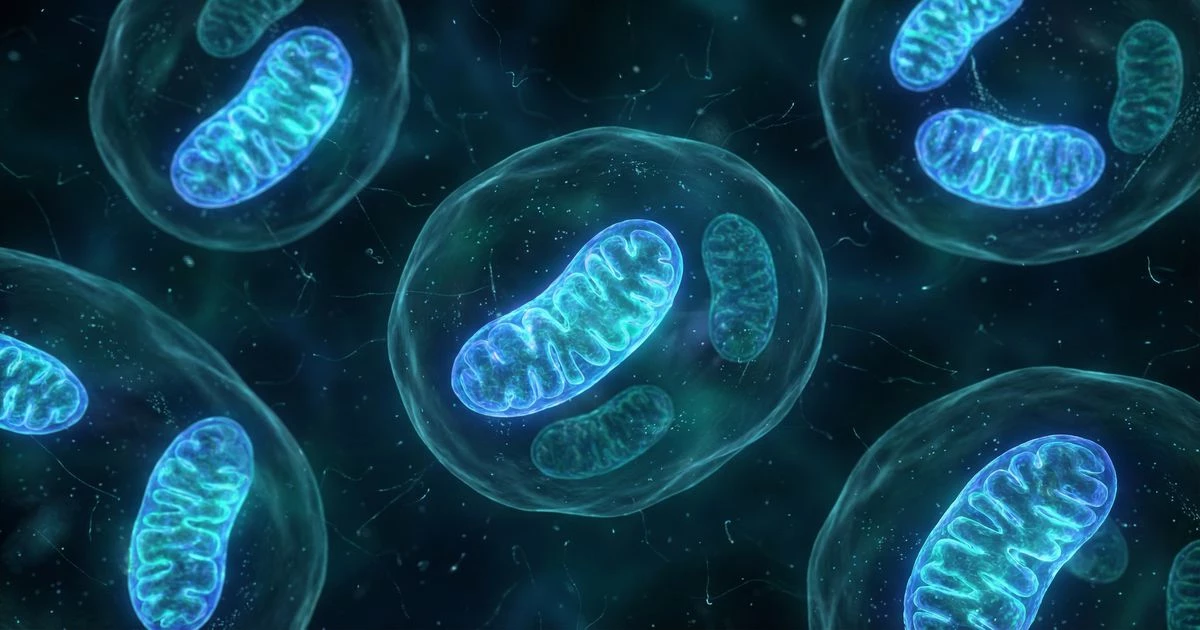
Mitochondrial and cellular energy support compounds (CoQ10, urolithin A, NAD+ precursors)
Autophagy and fasting-related compounds (spermidine)
Senolytic flavonoids targeting senescent cells (fisetin, quercetin)
Emerging players in longevity science (taurine)
Important context:
No supplement is proven to extend human lifespan. When this article says a compound “works,” it means supporting measurable markers of healthy aging—things like muscle mass preservation, metabolic health improvement, cognitive function maintenance, or cardiovascular outcomes shown in peer-reviewed studies.
You’ll see specific compounds discussed throughout (creatine, omega 3 fatty acids, vitamin D, magnesium, urolithin A, spermidine, NAD+ precursors, taurine, and others), but no brand names or promotions. The article is structured so you can skim the list first, then dive deeper into mechanisms, evidence levels, and safety notes in later sections.
How We Chose the Best Longevity Supplements in 2026
This list is based on peer-reviewed research available through early 2026, evaluated with a conservative, health-education approach. There are no lifespan extension promises here, no disease treatment claims, and no magic pills.
Ranking Priorities
The compounds featured prioritize human clinical trials first. Where human evidence is still emerging—such as with certain senolytics or autophagy activators—strong mechanistic and animal data were considered, but these are clearly flagged as “emerging” rather than established.
Evaluation Criteria
| Criterion | What We Looked For |
|---|---|
| Quality of Evidence | Randomized controlled trials, meta-analyses, large observational studies |
| Effect Sizes | Meaningful improvements in aging-relevant outcomes (muscle performance, metabolic markers, cognitive measures) |
| Long-term Safety | Documented safety profiles across multiple studies, known interaction risks |
| Practicality | Reasonable dosing protocols, accessibility, cost considerations |
What This Article Is Not
This is not medical advice. Readers should consult a qualified healthcare provider before starting any supplement regimen, especially if pregnant, managing chronic health conditions, or taking medications.
Only individual ingredients are discussed throughout—no branded products—to avoid marketing bias and maintain focus on mechanisms and data.

The 10 Best Science‑Researched Longevity Supplements in 2026
This section forms the core of the article. Each supplement is covered in its own subsection, ordered roughly from broadly beneficial foundations to more targeted or experimental compounds.
Each pick includes:
What it is
Why it’s relevant to aging biology
Key human findings as of 2026
Who it may be most relevant for
Basic safety considerations
The 10 featured compounds:
Creatine monohydrate
Omega‑3 fatty acids (EPA/DHA)
Vitamin D3
Magnesium (bioavailable forms)
Urolithin A
NAD+ precursors (NMN, NR, niacin)
Coenzyme Q10 (CoQ10)
Spermidine
Senolytic flavonoids (fisetin, quercetin)
Taurine
Later sections group these into a simple “foundational vs targeted vs emerging” framework and explain how to build a stack safely. Additional promising compounds (PQQ, ergothioneine, resveratrol, dihydroberberine) appear in context where relevant.
1. Creatine Monohydrate: Muscle and Brain Support Across the Lifespan
Creatine monohydrate stands as one of the most replicated, well-tolerated supplements for muscle strength, power, and performance. What’s changed by 2026 is the growing recognition that creatine isn’t just for young athletes—it’s increasingly studied for supporting cognitive function and healthy aging, especially after age 40.
Key Human Data
Research suggests creatine supplementation has been linked to reduced sarcopenia (age-related muscle loss), improved memory performance, and better resilience under metabolic stress. Meta-analyses and randomized controlled trials demonstrate:
Improved muscle strength and lean mass in older adults during resistance training
Support for functional capacity (chair stands, gait speed, balance tests)
Early evidence for benefits on cognitive tasks (memory, reasoning) in some populations
Why This Matters for Longevity
Preserving muscle mass, mobility, and independence are central to healthspan—the years spent in good health status rather than simply alive. Creatine supports cellular energy buffering in high-demand tissues like brain and muscle function, acting as a rapid-response energy reserve at the cellular level.
Creatine is one of the most underrated anti aging supplements, especially for functional aging in older adults.
Dosing and Safety
Typical studied doses range from 3–5 g per day. Long-term safety appears good in healthy adults with normal kidney function. Those with kidney disease or related conditions should supplement only under medical supervision.
Who Benefits Most
Middle-aged and older adults performing resistance training
Those wanting to support muscle maintenance and bone density
Plant-based eaters who consume less creatine from diet (found primarily in meat and fatty fish)

2. Omega‑3 Fatty Acids (EPA & DHA): Heart, Brain, and Inflammation
EPA and DHA from fatty fish or algae oils represent some of the most evidence-supported nutrients for cardiovascular health and brain health—both critical components of a healthy life as we age.
Human Evidence
Large cohort studies and randomized controlled trials link adequate omega-3 status with:
Better cardiovascular markers and improved cardiovascular outcomes
Lower triglyceride levels
Supportive data for cognitive function and mood in older adults
Potential benefits for reduce inflammation systemically
Connection to Longevity Biology
Omega-3s influence membrane fluidity, inflammatory signaling, and possibly brain aging trajectories. They help maintain vascular and neuronal resilience with age. At the cellular level, these fatty acids support membrane integrity and may help neutralize free radicals as part of broader antioxidant networks.
Common Dose Ranges
Trials typically use combined EPA+DHA around 1–2 g per day for general support. Higher doses should be supervised by a healthcare provider, especially with anticoagulant use or bleeding disorders.
Food-First Approach
A diet rich in fatty fish 2–3 times per week (salmon, mackerel, sardines) provides substantial omega-3s. Supplements are mainly indicated for those with:
Low seafood intake
Dietary restrictions
Specific clinical guidance from their healthcare provider
3. Vitamin D3: Bone, Muscle, and Immune Support in Aging
Vitamin D functions more like a hormone than a typical vitamin, with receptors throughout the body affecting bone health, immune system function, muscle performance, and more. For aging populations, its relevance extends across multiple systems.
Research Summary
Observational links between low 25(OH)D levels and multiple age-related outcomes are well-established. Clinical research through randomized controlled trials shows:
Correction of deficiency can improve bone density
Reduction in falls in some deficient groups
Support for immune function and inflammatory regulation
Potential benefits for muscle function in those with inadequate levels
Why This Matters
Maintaining skeletal integrity and reducing fall risk is central to preserving independence and quality of life in later decades. Falls represent one of the leading causes of accelerated aging through injury and immobilization. Adequate vitamin D also supports bone health by regulating calcium absorption.
Dosing Guidance
Dosing should be individualized based on:
Blood testing (25(OH)D levels)
Geographic latitude and sun exposure
Skin pigmentation
Age and body composition
Blanket high-dose recommendations are inappropriate. Target ranges typically discussed are 30–50 ng/mL for most adults, though this varies by guideline.
Safety Considerations
Risk of toxicity at very high chronic doses (typically >10,000 IU/day for extended periods)
Medical supervision needed for high-dose regimens
Possible interactions with conditions affecting calcium metabolism
Consider pairing with vitamin K2 (commonly K2-MK7) to support proper calcium utilization
4. Magnesium: Sleep, Metabolic Health, and Cellular Function
Magnesium serves as a cofactor in over 300 enzymatic reactions, involved in energy production, neuromuscular function, glucose metabolism, and cellular energy metabolism. Despite its importance, many adults—especially older adults—don’t reach optimal intakes.
Human Data
Studies show supplementation in deficient individuals can:
Improve sleep quality and sleep onset
Support metabolic markers including insulin sensitivity
Aid blood pressure regulation
Reduce muscle cramps and support muscle function
Link to Longevity
Adequate magnesium supports mitochondrial function, stress management at the cellular level, and cardiovascular resilience. These pathways are all relevant to healthy aging and maintaining metabolic balance across the lifespan.
Practical Guidance
| Form | Bioavailability | Common Uses |
|---|---|---|
| Magnesium glycinate | High | Sleep, relaxation |
| Magnesium citrate | Good | General use, mild laxative effect |
| Magnesium malate | Good | Energy, muscle function |
| Magnesium oxide | Low | Not recommended for supplementation |
| Avoid very high doses that commonly cause GI upset. Split doses across the day if needed. |
Safety Note
Those with kidney impairment should only supplement under medical guidance due to altered magnesium handling. The kidneys regulate magnesium excretion, and impaired function can lead to dangerous accumulation.
5. Urolithin A: Mitochondrial Quality and Muscle Performance
Urolithin A represents a newer entry in the longevity space—a gut-derived metabolite of ellagitannins (compounds found in foods like pomegranates, walnuts, and certain berries). Because gut microbiome composition varies widely, not everyone efficiently converts dietary ellagitannins to urolithin A, creating interest in direct supplementation.
Clinical Trial Data
Human trials up to 2026 show that supplemental urolithin A can:
Enhance markers of mitochondrial health
Improve walking distance and muscle endurance tests
Support overall metabolic health
Show particular benefits in middle-aged and older individuals
Mechanism
Urolithin A stimulates mitophagy—the selective recycling of damaged mitochondria—and supports mitochondrial biogenesis. Both pathways tend to decline with age, contributing to cellular energy decline and reduced physical capacity.
By helping cells clear damaged mitochondria and produce new ones, urolithin A addresses mitochondrial function at a fundamental level.
Studied Doses
Trials typically use around 500–1000 mg per day. Safety data so far are encouraging but represent medium-term observation compared with foundational nutrients like vitamin D or magnesium.
Positioning
This is a “targeted” option for people focused on muscle performance and wanting to improve mitochondrial function. It works best in addition to—not instead of—exercise and dietary interventions. Research suggests the compound’s benefits are most meaningful when combined with physical activity.
6. NAD+ Precursors (NMN, NR, Niacin): Cellular Energy and Repair Pathways
NAD+ (nicotinamide adenine dinucleotide) is a central coenzyme in energy metabolism and DNA repair, present in every cell. Research consistently shows NAD+ levels decline in multiple tissues with age, prompting interest in precursors that might restore these levels.
Main Forms
| Precursor | Full Name | Key Characteristics |
|---|---|---|
| NMN | Nicotinamide mononucleotide | Direct NAD+ precursor, growing trial data |
| NR | Nicotinamide riboside | FDA-notified as safe, randomized controlled trial data available |
| Niacin | Vitamin B3 forms | Traditional, inexpensive, can cause flushing |
| All can boost NAD+ but differ in pharmacokinetics, tolerability, and research depth. |
Human Evidence
Early human trials and clinical research show:
Increases in blood NAD+ levels (a randomized controlled clinical trial found NR effective at raising blood NAD+)
Some improvements in insulin sensitivity and muscle function with NMN
Enhanced metabolic efficiency and reduced fatigue in specific groups
Support for cellular repair pathways
However, long-term outcome data remain limited. Most trials are relatively short-term, measuring surrogate markers rather than hard endpoints.
Safety Considerations
Flushing with some niacin forms (particularly immediate-release niacin)
GI effects at higher doses for NR/NMN
Theoretical concerns in individuals with active cancer or strong cancer history warrant discussion with an oncologist
Personalized medical advice is particularly important here
Positioning
NAD+ precursors are “targeted” longevity tools best used after basic nutritional deficiencies are addressed. They support cellular energy production and cellular repair but shouldn’t be the first line of supplementation for most people.
7. Coenzyme Q10 (CoQ10): Mitochondrial Support, Especially in Statin Users
CoQ10 is a key component of the mitochondrial electron transport chain and functions as an antioxidant. It’s essential for cellular energy production, particularly important for supporting high energy-demanding organs like the heart and liver.
Age and Medication-Related Decline
CoQ10 levels decline with age and with certain medications—particularly statins, which inhibit an enzyme involved in both cholesterol and CoQ10 synthesis. This decline contributes to fatigue, muscle weakness, and reduced cellular energy.
Human Research
Trials suggest CoQ10 can:
Improve some measures of exercise capacity
Reduce statin-associated muscle symptoms in certain patients
Support cardiac function in specific clinical contexts
Enhance metabolic function in aging populations
Connection to Longevity
By supporting metabolic efficiency and mitochondrial function, CoQ10 may help maintain physical performance and fatigue resistance in older adults. It works at the level of the electron transport chain, directly supporting ATP production.
Practical Guidance
Typical supplemental doses range from 100–300 mg per day
Absorption is enhanced when taken with dietary fat
The ubiquinol form may be better absorbed in older adults compared to ubiquinone
Coordinate with a clinician if on multiple medications or managing cardiovascular conditions
8. Spermidine: Autophagy and Cellular “Housekeeping”
Spermidine is a naturally occurring polyamine found in foods such as wheat germ, soybeans, aged cheeses, and leafy greens. Interest in spermidine for longevity research has surged by 2026, driven by its ability to stimulate autophagy—the cell’s cleanup and recycling process.
Key Findings
The evidence base includes:
Animal data showing lifespan extension in multiple model organisms
Human observational studies linking higher dietary spermidine intake to lower all-cause mortality and better cardiovascular outcomes
Early supplemental trials showing promising safety profiles and potential benefits on cardiac and cognitive markers
Why Autophagy Matters
Efficient removal of damaged proteins and organelles supports cellular function, especially in long-lived cells like neurons and cardiomyocytes. As autophagy declines with age, cellular debris accumulates, contributing to cellular aging and dysfunction.
Autophagy represents one of the body’s core maintenance systems—spermidine may help keep that system functioning effectively.
Current Status
Supplemental spermidine trials in humans are still relatively early-stage. The compound shows promising signals for safety and potential benefits, but more long-term human research is needed before drawing strong conclusions about efficacy.
Positioning
Spermidine falls into the “emerging but promising” category. Those interested should prioritize pharmaceutical-grade, appropriately dosed formulations rather than minimally effective marketing products. Quality matters significantly in this category.
9. Senolytic Flavonoids (Fisetin and Quercetin): Targeting Senescent Cells
Cellular senescence describes cells that stop dividing but remain metabolically active, secreting inflammatory factors (collectively called SASP—senescence-associated secretory phenotype). These senescent cells accumulate with age and may contribute to tissue dysfunction, chronic inflammation, and accelerated aging.
The Senolytic Approach
Fisetin and quercetin are plant-derived flavonoids that, in animal and early human studies, have shown senolytic activity—the ability to help reduce senescent cell burden when used intermittently at higher doses.
Evidence Status
| Evidence Type | Findings |
|---|---|
| Animal studies | Robust data showing improved function and lifespan in models |
| Human pilots | Small studies exploring safety and effects on physical function and senescence markers |
| Mechanisms | Well-characterized pathways for inducing apoptosis in senescent cells |
Important Caveats
Human safety and dosing protocols are still being investigated. Unlike foundational supplements, senolytics are typically used in pulsed protocols (intermittent high doses) rather than daily supplementation.
Self-experimentation with high-dose senolytics should be approached cautiously and ideally within clinical or research guidance.
Positioning
Senolytics represent an advanced, experimental category—not a routine dietary supplement for everyone. The goal is to reduce senescent cell burden without affecting healthy cells, a balance that requires careful dosing and monitoring. Medical supervision is strongly recommended.
10. Taurine: An Emerging Player in Healthy Aging Research
Taurine is a sulfur-containing amino acid abundant in tissues like the heart and brain, involved in osmoregulation, mitochondrial function, and cell membrane stabilization. Unlike most amino acids, taurine isn’t incorporated into proteins but functions as a free molecule.
2020s Research Surge
Interest in taurine for longevity surged following research showing:
Associations between taurine levels and healthspan markers in animals
Lifespan extension in multiple model organisms
Early human data on cardiovascular and metabolic support
Mechanistic links to mitochondrial protection and oxidative stress modulation
Why the Interest?
Taurine appears to influence SIRT1 activation and other aging pathways frequently discussed in longevity science. Humans naturally produce taurine, but production may decline with age, and dietary intake varies significantly.
Human Data
Typical supplemental doses tested range from 1–3 g per day in many trials, with generally good safety in short- to medium-term studies in healthy adults. Higher doses have been used in specific clinical contexts.
Current Assessment
Despite intriguing data, taurine’s long-term impact on human aging is still being clarified. It should be viewed as a promising adjunct rather than a proven cornerstone of longevity supplementation. The compound warrants attention but not premature enthusiasm.
Foundational vs Targeted vs Emerging: A 2026 Longevity Supplement Framework
Not all longevity supplements play the same role. Understanding where each compound falls in terms of evidence strength and application helps avoid overcomplicated, expensive stacks while maximizing benefit.
Foundational Supplements
These have strong safety profiles and broad evidence for supporting healthy aging across multiple systems:
Creatine – Muscle, brain, cellular energy
Omega-3s – Cardiovascular, brain, inflammation
Vitamin D – Bone, muscle, immune
Magnesium – Sleep, metabolic, cellular function
Diet-derived polyphenols – Via whole foods rather than supplements
Targeted Supplements
These support specific aging pathways or contexts with decent but still evolving data:
Urolithin A – Mitochondrial quality, muscle performance
CoQ10 – Mitochondrial support, especially for statin users
NAD+ precursors – Cellular energy and repair
Taurine – Mitochondrial and cardiovascular support
Emerging/Experimental Supplements
These have compelling mechanisms and animal data but limited long-term human research:
Spermidine at supplemental doses
Senolytic protocols with fisetin/quercetin
PQQ (pyrroloquinoline quinone)
Ergothioneine
Advanced fasting mimetics
Practical Advice
Build from foundations upward. Address diet, sleep quality, physical activity, stress management, and basic nutrient sufficiency first. Then consider 1–2 targeted additions based on personal goals. Reserve emerging compounds for careful, informed experimentation—preferably with professional guidance.
The Fasting and Autophagy Connection in 2026
Fasting and caloric restriction research has shaped modern longevity science by highlighting pathways like autophagy, AMPK activation, and sirtuin engagement. These pathways influence how efficiently cells maintain themselves and respond to stress.
Supplements and Fasting Biology
Several longevity compounds aim to mimic select aspects of fasting biology:
Spermidine – Direct autophagy activator
Urolithin A – Mitophagy enhancement
NAD+ precursors – Sirtuin support
Taurine – SIRT1 activation
Resveratrol – Another sirtuin activator often discussed alongside fasting
Current Evidence Status
As of 2026, human trials on these “fasting mimetics” are still emerging. They should be seen as partial complements to—not replacements for—actual dietary and lifestyle factors like time-restricted eating.
Practical Approach
Prioritize realistic time-restricted eating or occasional longer fasts if medically appropriate
Consider autophagy-related supplements as adjuncts
Work with a healthcare provider before combining multiple interventions
Who Should Be Cautious
Individuals with metabolic conditions, eating disorders, medication regimens, or pregnancy should only adjust fasting protocols or add potent fasting mimetics after medical consultation. These interventions affect fundamental metabolic processes and require individualized assessment.
How to Build a Simple, Evidence‑Informed Longevity Stack
A longevity stack doesn’t have to be complicated. A well-designed 3–5 compound regimen focused on personal needs typically outperforms taking a dozen random supplements with overlapping or conflicting mechanisms.
Tier 1: Foundation (For Many Adults)
These address common gaps and provide broad support:
| Supplement | Condition for Use |
|---|---|
| Omega-3s | If diet is low in fatty fish |
| Vitamin D3 | Based on blood levels (test first) |
| Magnesium | If intake or labs suggest inadequacy |
| Creatine | Especially if performing resistance training |
Tier 2: Targeted Add-Ons
Choose based on personal goals after foundations are established:
Urolithin A – For mitochondrial and muscle support
CoQ10 – For those on statins or with fatigue/exercise capacity goals
NAD+ precursor – For those exploring cellular energy and repair support
Tier 3: Experimental Options
Discuss with a specialist before adding:
Spermidine – For autophagy support
Intermittent fisetin/quercetin – Senolytic protocols
Taurine or PQQ – Advanced mitochondrial and stress-response targeting
Implementation Protocol
Add only one new supplement at a time
Track objective markers (strength, walking speed, sleep metrics)
Get lab work when possible (vitamin D levels, omega-3 index, metabolic panel)
Reassess every 8–12 weeks
Remove supplements that show no measurable benefit
Safety, Testing, and Quality Considerations in 2026
“Natural” does not equal “risk-free.” Longevity supplements can interact with medications, affect medical conditions, and cause unexpected effects without proper attention to quality and dosing.
Quality Markers to Look For
Third-party testing for purity and label accuracy
GMP-certified manufacturing
Clear dosages (avoid proprietary blends)
Transparent sourcing information
Common Interaction Concerns
| Supplement | Potential Interactions |
|---|---|
| Omega-3s | Anticoagulants, bleeding risk |
| High-dose niacin | Liver function, glucose metabolism |
| Magnesium | Kidney disease, certain antibiotics |
| Senolytics | Various medications, immune function |
| NAD+ precursors | Theoretical cancer concerns |
Recommended Testing
Periodic blood work helps tailor dosing and avoid unnecessary supplementation:
Vitamin D (25-OH vitamin D)
Omega-3 index (where available)
Basic metabolic panel
Fasting glucose and insulin for metabolic health assessment
Professional Guidance
Working with clinicians experienced in integrative or preventive medicine allows for personalized, data-driven protocols. A balanced diet and attention to lifestyle habits should always precede supplement optimization.
Frequently Asked Questions About Longevity Supplements in 2026
Is there a single best supplement for longevity?
No. The most longevity supplements target specific pathways, and no single compound addresses all aging processes. Focus on foundations first (nutrition, movement, sleep), then personalize based on individual gaps and goals.
When should I start taking longevity supplements?
Most adults can focus on lifestyle factors first, then consider supplements in midlife (40s) or earlier if specific risk factors or deficiencies exist. There’s no universal starting age—blood work and health status should guide decisions.
Can these supplements replace exercise, diet changes, or sleep?
Absolutely not. Supplements are adjuncts that support longevity; they don’t substitute for the fundamentals. Exercise, a balanced diet, sleep quality, and stress management remain the most powerful longevity interventions available.
How long before I notice effects?
Many clinical trials run 8–24 weeks. Some benefits are subtle and best tracked via metrics (strength tests, sleep data, lab work) rather than subjective “feeling.” Patience and consistent tracking matter more than expecting immediate changes.
Are NAD+ boosters safe long-term?
Early data are encouraging for most healthy adults, but long-term outcome studies remain limited. Those with history of cancer cells or cancer risk should discuss with an oncologist before using NAD+ precursors, as NAD+ affects cell proliferation pathways.
Are these supplements appropriate if I have a history of cancer or autoimmune disease?
This requires case-by-case medical guidance. Some longevity compounds affect immune function, autophagy, or cellular proliferation in ways that may not be appropriate for everyone. Consult a knowledgeable healthcare provider before adding supplements to your regimen.
Should I prioritize addressing nutritional deficiencies before trying longevity-specific compounds?
Yes. Correcting nutritional deficiencies (vitamin D, magnesium, omega-3s) often produces more noticeable benefits than adding exotic longevity compounds to an already-depleted foundation. Blood testing helps identify actual gaps versus assumed ones.
How do I know if a supplement is working?
Track objective markers: strength improvements, walking speed, sleep metrics, energy levels, and relevant blood markers. The aging process is gradual, so changes may be subtle. Regular reassessment (every 2–3 months) helps distinguish real effects from placebo.
Bottom Line: Using Longevity Supplements Wisely in 2026
The longevity supplement landscape in 2026 offers genuine options backed by clinical research—alongside persistent hype and unsubstantiated claims. Strong evidence supports a few foundational compounds like creatine, omega-3s, vitamin D, and magnesium. Growing but still incomplete data back targeted options like urolithin A, CoQ10, and NAD+ precursors. Emerging compounds like spermidine and senolytic flavonoids show promise but require more long-term human research.
The central message remains clear: supplements should support, not substitute for, core pillars of healthy life—movement, nutrition, sleep, stress management, and social connection. No capsule replaces a healthy weight maintained through good lifestyle factors, or the benefits of a diet rich in whole foods and leafy greens.
Adopt a “low-complexity, high-evidence” mindset. Start small, choose well-researched ingredients, monitor outcomes with objective markers, and adapt as longevity science evolves. The field is moving rapidly—new randomized controlled trials are underway for many of these compounds, and staying informed is itself part of a thoughtful healthy-aging strategy.
Disclaimer: This article is for informational purposes only and does not constitute medical advice. All supplement decisions should be made in partnership with a qualified healthcare professional who understands your individual health conditions, medications, and goals. The aging pathways and longevity compounds discussed here represent current scientific understanding, which continues to evolve.
Further Reading
Explore more articles related to this topic:
- The 5 Best NMN Supplements of 2026: Safety and Efficacy for Longevity
- Best Mitochondrial Health Supplements for 2026: A Science-Backed Guide
- The Best NMN Supplement in 2026: Evidence, Purity & How to Choose
- The title already contains the keyword. No changes are necessary.
- NMN Research Update 2026: What Recent Human Trials Tell Us About Reversing Biological Age
- The 12 Hallmarks of Aging Explained: A Beginner’s Guide to Longevity Science
- What Are Senolytics? A Beginner’s Guide to How Quercetin and Fisetin Clear “Zombie Cells”
- NMN and Apigenin: The Science of CD38 Inhibition