

If you’ve been exploring the world of longevity research, you’ve likely encountered nicotinamide mononucleotide nmn—a compound that’s generated significant interest among researchers studying cellular aging. But separating genuine science from marketing hype can be challenging. This comprehensive guide breaks down what nmn research actually shows, where the evidence stands, and what you should know before considering nmn supplementation.
Overview: What NMN Supplements Are (And What They Actually Do)
NMN (nicotinamide mononucleotide) is a naturally occurring molecule that serves as a direct precursor to NAD+ (nicotinamide adenine dinucleotide), a coenzyme essential for energy production and cellular repair throughout the human body. When you hear about the benefits of nmn supplements, it’s important to understand that most of these effects are mediated by increased NAD+ levels rather than NMN itself—the supplement essentially provides raw material that your cells convert into this critical coenzyme.
Before diving deeper, let’s establish an important baseline: the most robust data on NMN come from animal studies and cell research, while human clinical trials are emerging but still limited in scope and duration. This article focuses exclusively on science-backed findings, clearly distinguishing between what’s been demonstrated in humans versus what remains primarily supported by animal models.
Key research-supported areas where NMN appears promising:
Metabolic health and insulin sensitivity improvements
Exercise capacity and physical performance enhancement
Vascular function and cardiovascular health markers
Cellular energy production and mitochondrial function
DNA repair mechanisms and oxidative stress reduction
NMN is not approved as a drug to treat, cure, or prevent any disease. It should be viewed as an investigational nutritional compound, and anyone considering taking nmn supplements should consult a medical professional before use.
How NMN Works: From Supplement To NAD+ And Cellular Energy
Understanding how nmn supplementation work requires a brief look at cellular biology. NMN is one of several NAD+ precursors available—others include nicotinamide riboside (NR) and nicotinic acid (niacin). What makes NMN particularly interesting to researchers is how directly it feeds into the “NAD+ salvage pathway,” the primary route through which cells recycle and maintain their NAD+ supply.
NAD+ (nicotinamide adenine dinucleotide) is required for:
Mitochondrial ATP production—the fundamental energy currency of every cell
DNA repair enzymes like PARPs (poly ADP-ribose polymerases) that fix damaged genetic material
Sirtuin activation (particularly SIRT1 and SIRT3), proteins involved in stress resistance, metabolic regulation, and gene expression
Research consistently demonstrates that NAD+ levels decline with age across multiple tissues, including the brain, skeletal muscle, liver, and blood vessels. Studies published between 2008 and 2020 have documented this age related decline, establishing a theoretical basis for why NAD+ replenishment might support healthy aging.
When you take NMN orally, research suggests it can raise NAD+ or related metabolites in blood and certain tissues. Animal data shows NMN is fully absorbed from the intestine into the bloodstream within approximately 15 minutes, with peak NAD+ elevation in the liver lasting about 30 minutes. Multiple trials between 2016 and 2023 have reported similar effects in humans, though the magnitude and tissue-specific distribution continue to be studied.
Cells appear capable of taking up NMN directly via transporters like Slc12a8, which was identified in mouse intestine. However, researchers note that this mechanism in human cells is still being clarified, and some NMN may be converted to other intermediates before cellular uptake.
Evidence-Based Benefits: What Human And Animal Studies Suggest
This section summarizes peer-reviewed data on the potential benefits of NMN, with clear separation between findings from human clinical trials and those derived from animal or early-stage research. The goal is to provide an accurate picture of where the science currently stands.
Metabolic Health and Insulin Sensitivity
Perhaps the most compelling human evidence for nmn treatment comes from metabolic research. The 2021 randomized trial conducted at Washington University School of Medicine in St. Louis examined postmenopausal women with prediabetes who received 250 mg/day NMN for 10-12 weeks. The results showed that nmn supplementation led to improved insulin sensitivity and enhanced muscle NAD+ metabolism in participants.
However, context matters significantly here. The participants also engaged in lifestyle interventions alongside supplementation. Changes in fasting blood glucose and body weight were modest, underscoring that NMN functions best as an adjunct to—not a replacement for—diet and exercise. The trial demonstrated that oral nmn administration can improve insulin sensitivity in a specific population, but broader applications require additional research.
Cardiovascular and Vascular Health
Small human studies conducted between 2020 and 2023 in older adults examined doses around 250-600 mg/day. These trials reported associations with improved measures like walking distance and aerobic capacity—promising signals for cardiovascular health. However, sample sizes remained under 100 participants, and follow-up periods were relatively short.
Animal studies provide stronger mechanistic support. Research in aged mice demonstrated improved endothelial function, reduced arterial stiffness, and decreased experimental atherosclerotic plaque formation when NMN restored NAD+ levels and activated SIRT1 signaling. These findings suggest potential protective effects for vascular health, though human translation requires further validation.
Physical Performance and Fatigue
A notable trial published around 2021 examined amateur runners taking 300-1200 mg/day NMN for 6-8 weeks. Results showed increased ventilatory threshold and improved aerobic performance in a dose-dependent manner, while maximal VO2 changed relatively little.
Importantly, these participants were already actively training. NMN appeared to augment their training response rather than act as a standalone performance enhancer—a crucial distinction for setting realistic expectations about what the supplement can achieve for physical performance.
Aging-Related Markers and Quality of Life
Several small Japanese and Chinese trials conducted between 2019 and 2023 reported improvements in self-reported fatigue, drowsiness, and sleepiness among healthy adults taking NMN. Some studies noted modest changes in physical function parameters.
However, these were not dramatic anti-aging effects. No human trial has yet proven that NMN slows biological aging or extends lifespan in people. Longevity claims should be understood as hypotheses based primarily on rodent data, not established human outcomes.
Animal Data Context
In animal models, NMN has demonstrated benefits across multiple systems: metabolic syndrome reversal, protection in neurodegenerative disorder models, and improvements in age-related fertility decline. Aged mice receiving long-term NMN showed restored gene expression in metabolic organs, enhanced mitochondrial oxidative metabolism, and improved cellular function.
But animal doses and biology differ substantially from humans. A mouse receiving 500 mg/kg body weight is not equivalent to a human taking 500 mg total. These studies provide mechanistic insights and generate hypotheses, but they don’t directly predict human outcomes.
Potential Anti-Aging Effects: What The Science Currently Supports
The connection between NAD+ decline and the aging process has captured significant research attention. Age-related reduction in NAD+ levels correlates with mitochondrial dysfunction, accumulated dna damage, and decreased cellular stress resistance—observations documented in reviews published through approximately 2023.
NMN’s proposed anti aging effects arise indirectly through several mechanisms:
Supporting mitochondrial energy production: NAD+ is essential for the electron transport chain that generates ATP
Aiding dna repair activity: NAD+-dependent enzymes like PARPs require adequate coenzyme levels to fix genetic damage
Modulating sirtuins: These proteins influence circadian rhythm regulation, inflammatory responses, and metabolic health
Specific animal work illustrates these effects. Multi-month nmn administration in aged mice restored gene expression profiles related to circadian rhythm and reduced markers of chronic inflammation. Old mice showed improved physical activity levels, better insulin secretion, and some measures of cognitive performance following treatment.
As of mid-2020s, no peer-reviewed human study has demonstrated lifespan extension from NMN. Current data focus on intermediate biomarkers—insulin sensitivity improvements, enhanced aerobic capacity, reduced subjective fatigue—rather than actual longevity outcomes.
Realistic expectations for NMN supplementation:
May modestly support energy metabolism and reduce fatigue in some individuals
Could enhance exercise response when combined with training
Might improve specific metabolic markers like insulin sensitivity
Is not a “fountain of youth” or proven life-extension intervention
Should be viewed as one component of broader healthy aging strategies
The language around NMN and aging requires careful framing. Terms like “may support,” “is being investigated for,” and “associated with improvements in specific markers” accurately reflect current evidence. Definitive anti aging or disease-prevention claims are not supported by existing research.
Other Areas Under Investigation (Brain, Gut, Skin, And Fertility)
Beyond muscle and vascular effects, there’s growing preclinical and early human interest in how NMN-derived NAD+ might affect other organ systems. Most of this evidence remains preliminary, but it suggests interesting directions for future research.
Brain and Cognitive Function
Rodent data has shown improved learning, memory, and neurovascular coupling in aged mice given NMN. These effects likely occur through enhanced mitochondrial function and reducing oxidative stress in neural tissue. Research demonstrates that NMN can cross the blood-brain barrier to elevate NAD+ in the hippocampus and hypothalamus within 15 minutes of administration.
In animal models of neurodegenerative disorders, NMN has shown promise. Studies in Parkinson’s disease models found that NMN reduced apoptosis, restored NAD+ and ATP levels, and decreased markers of cellular damage while activating SIRT1. Some research suggests NMN may inhibit beta-amyloid plaque buildup associated with Alzheimer’s disease, though this remains largely preclinical.
Early, small human trials suggest reduced subjective drowsiness and cognitive fatigue with NMN use. However, robust data on cognitive impairment, dementia prevention, or long-term brain function in humans are not yet available. Claims about cognitive health benefits should be considered speculative until larger trials report results.
Gut and Digestive Health
Animal and exploratory human findings suggest NMN may improve gut barrier integrity and shift microbiota composition toward higher levels of beneficial bacterial genera like Bifidobacterium and Faecalibacterium. These early observations are intriguing but insufficient to recommend NMN as a treatment for any gastrointestinal disorder.
Some users report digestive discomfort as a side effect rather than a benefit, highlighting the complex relationship between NMN and gut health that requires further investigation.
Skin and Appearance
Small pilot human studies lasting 8-12 weeks have associated oral NMN with improved skin hydration, reduced roughness, and lower levels of advanced glycation end products. These outcomes often occurred in combination with other lifestyle factors, making it difficult to isolate NMN’s specific contribution.
These findings should be viewed as cosmetic and quality-of-life observations rather than medical outcomes. NMN is not established as an anti aging health product for dermatological purposes.
Reproductive and Female Fertility Research
Mouse studies have demonstrated that NMN improved oocyte quality and reproductive outcomes in older females, suggesting a link between NAD+ restoration and mitochondrial health in eggs. Research shows that 20 weeks of nmn administration boosted autophagy, mitochondrial biogenesis, and cellular maintenance processes in reproductive tissue.
Currently, there is no strong clinical evidence in humans supporting NMN use for fertility enhancement. This area remains experimental, and individuals concerned about reproductive health should work with appropriate specialists rather than relying on supplementation.
Safety, Side Effects, And Regulatory Considerations
Short-term human studies examining single doses up to approximately 1,200 mg and multi-week interventions using 600-900 mg/day generally report NMN as well tolerated. However, long-term safety data beyond about 6-12 months remain scarce, creating important knowledge gaps for those considering extended use.
Known Side Effects
When adverse effects occur, they’re typically mild and gastrointestinal in nature:
| Common Mild Effects | Frequency | Management |
|---|---|---|
| Abdominal pain | Occasional | Reduce dose or take with food |
| Nausea | Occasional | Take with meals |
| Loose stools | Occasional | Lower dose temporarily |
| Gas or bloating | Occasional | Allow adaptation time |
| These effects usually resolve when the dose is reduced or discontinued. Serious adverse events have been rare in clinical trials to date, though participant numbers remain relatively small across all published research. | ||
| Unresolved Risks |
Theoretical concerns exist regarding very high or prolonged NAD+ boosting. Some researchers caution about potential interactions with fast-dividing cells, raising questions about safety in individuals with active cancers. Current evidence is inconclusive and largely derived from indirect or animal data.
People with active malignancy, history of certain cancers, or those undergoing chemotherapy should only consider NMN under medical supervision, if at all. The relationship between NAD+ metabolism and cancer cell biology remains an area requiring careful research.
Regulatory Landscape
In late 2022, the U.S. FDA indicated that NMN could not be sold as a dietary supplement because a pharmaceutical company had filed an Investigational New Drug (IND) application. This created significant regulatory ambiguity in the American market.
As of 2024, trade groups have legally challenged this stance, and enforcement has been inconsistent. NMN products remain available from various sources, but their regulatory status differs significantly by country and may change. Consumers should stay informed about current regulations in their jurisdiction.
Drug Interactions and Precautions
| Population | Recommendation |
|---|---|
| Those taking diabetes medications | Consult clinician before use—potential blood pressure and glucose interactions |
| Those on anticoagulants | Discuss with healthcare provider |
| Pregnant or breastfeeding | Avoid—no safety data available |
| Children | Not recommended—no pediatric research |
| Cancer patients | Medical supervision required |
| NMN supplementation should be individualized and medically supervised, especially for those with chronic disease or taking prescription medications for conditions affecting blood pressure or metabolic function. |
Dosage, Forms, And Practical Use: How People Take NMN In Studies
There is no universally established “optimal” human NMN dose. Clinical trial protocols have varied considerably, though patterns emerge from examining the research literature.
Typical Research Dosing Ranges:
| Dose Range | Study Context | Typical Duration |
|---|---|---|
| 100-250 mg/day | Healthy or mildly overweight adults; NAD+ changes and subjective fatigue assessment | 4-12 weeks |
| 250-600 mg/day | Metabolic studies (prediabetes) and performance research (amateur athletes) | 8-12 weeks |
| 600-1200 mg/day | Higher doses higher doses in some exercise studies | 6-8 weeks |
| Notably, higher doses do not always produce proportionally larger benefits and may increase side-effect risk and cost. The Washington University study showing insulin sensitivity improvements used just 250 mg/day—suggesting that moderate dosing may be sufficient for metabolic effects. | ||
| Forms and Timing |
Most clinical trials use oral capsules or tablets. Some exploratory work has examined sublingual powders or specialized formulations designed to potentially enhance absorption, though comparative data remain limited.
Participants in research studies typically take NMN once daily in the morning, with or without food. Some researchers have speculated about optimal timing tied to circadian rhythms, but evidence supporting specific timing protocols remains speculative rather than established.
Practical Guidance (Research-Based, Non-Prescriptive)
If a healthcare professional determines NMN is appropriate for an individual:
A conservative, research-aligned approach might involve starting at 100-250 mg/day
Monitor for tolerance over 2-4 weeks before considering dose adjustment
Track subjective markers like energy levels and sleep quality
Consider periodic breaks to assess baseline versus supplemented state
Most importantly, lifestyle factors—exercise, sleep quality, diet, and weight management—have stronger and more proven impacts on healthy aging than any single dietary supplement, including NMN. These fundamentals should remain the foundation of any longevity-focused approach.
NMN is best viewed as a potential adjunct to evidence-based health practices, not a replacement for them. No amount of supplementation compensates for inadequate sleep, sedentary behavior, or poor nutrition.
Natural Ways To Support NAD+ (With Or Without NMN)
Even people interested in NMN can benefit from strategies that naturally support NAD+ and overall metabolic health. These approaches have broader evidence bases and complement any supplementation protocol.
Dietary Strategies
Foods containing vitamin B3 and NMN precursors support the body’s NAD+ production pathways:
Whole grains and legumes
Nuts and seeds
Fish (particularly salmon and tuna)
Poultry
NMN-containing vegetables: broccoli, cucumber, avocado, edamame, and raw beef
However, context is important. Food-based NMN content is very low—on the order of 0.1-2 mg per 100 grams in research surveys. You cannot realistically obtain therapeutic NMN doses from diet alone. NMN naturally occurs in these foods, but supplementation provides much higher amounts.
Dietary patterns like Mediterranean-style eating support metabolic and cardiovascular health through multiple mechanisms, indirectly benefiting NAD+-dependent pathways while providing numerous other biological processes support.
Lifestyle Interventions
Regular physical activity enhances mitochondrial function and may increase NAD+ turnover and sirtuin activity:
Aim for at least 150 minutes per week of moderate-intensity aerobic activity
Include strength training 2-3 times weekly
Prioritize consistency over intensity for sustainable results
Caloric moderation, fasting windows, and time-restricted eating have been shown in human and animal studies to affect NAD+/sirtuin signaling. These strategies should be personalized and medically supervised, particularly for those with blood pressure concerns, diabetes, or history of disordered eating.
Sleep quality directly affects cellular repair processes, including those dependent on NAD+. Prioritizing 7-9 hours of quality sleep supports the biological processes that NMN supplementation aims to enhance.
Other NAD+ Precursors
Nicotinamide riboside (NR) and niacin have more established regulatory status in some regions and remain under active research. Head-to-head comparison data between NMN and these alternatives are limited, making definitive efficacy comparisons difficult. Each precursor enters NAD+ synthesis through slightly different pathways and may have distinct tissue distributions.
NMN should be viewed as one part of a broader toolbox for supporting healthy aging—not a standalone solution. The most dramatic health benefits come from combining evidence-based lifestyle practices rather than relying on any single intervention.


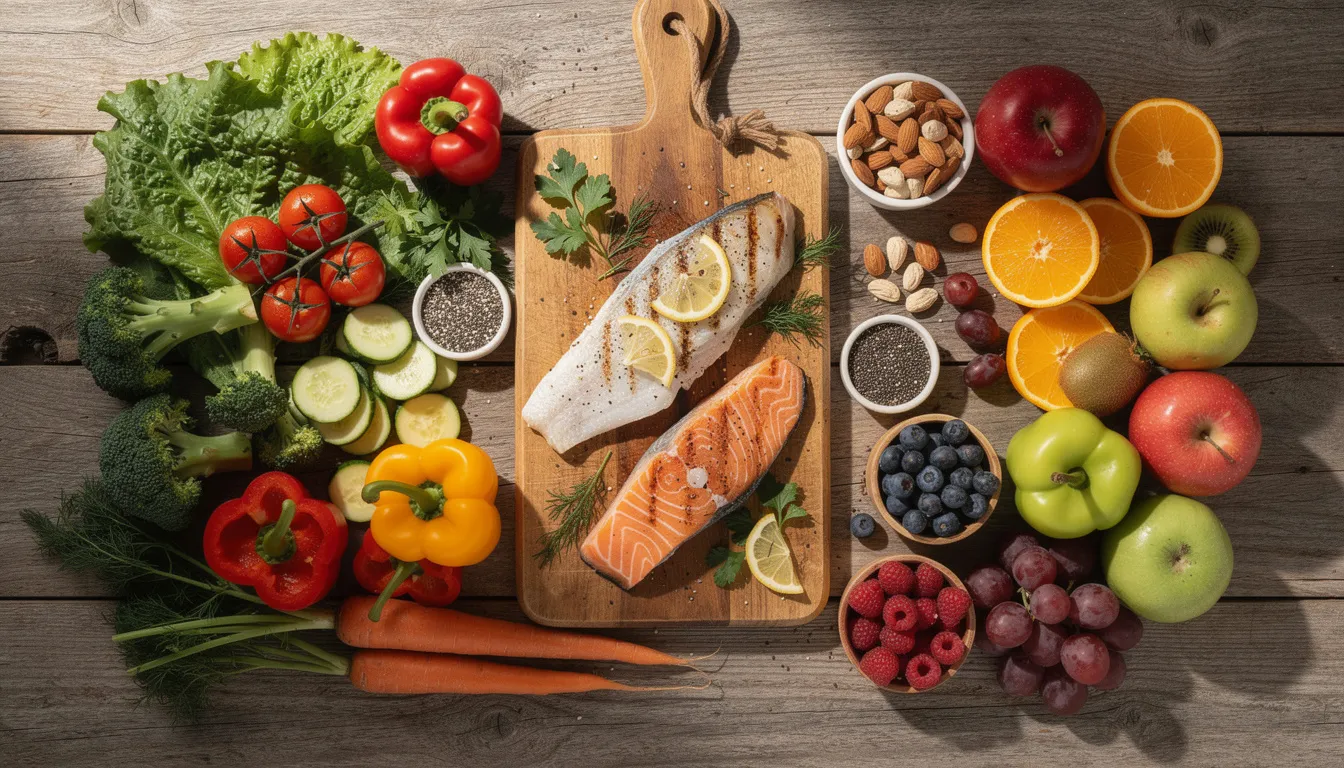
Key Takeaways: Where NMN Science Stands Today
NMN supplements reliably raise NAD+-related metabolites in blood across many studies, and human clinical trial data suggest promising effects on metabolic markers, exercise capacity, and subjective fatigue. However, the field remains in relatively early stages, with most robust evidence coming from short-term trials in specific populations.
Core Science-Backed Points:
Age-related NAD+ decline is well documented in humans and animals; NMN is one method to replenish this pool
Human research from approximately 2018-2024 suggests benefits for insulin sensitivity, aerobic function, and fatigue reduction
Evidence for age related diseases prevention or lifespan extension in humans is currently lacking
Safety appears acceptable in short-term studies at doses up to about 600-900 mg/day
Long-term safety, cancer-related questions, and optimal dosing remain open research questions
Regulatory status continues evolving, particularly in the United States
The health benefits documented in existing research are meaningful but modest. NMN is not reversing aging or curing disease—it appears to support certain aspects of cellular function and metabolic health in ways that may become more significant as people age and nmn levels naturally decline.
Regulatory status varies significantly by region and may change as legal challenges proceed and additional research emerges. Check current local regulations and work with a medical professional before starting NMN or any new supplement regimen.
Looking ahead, larger and longer human trials are underway or planned. These studies will provide clearer answers about optimal dosing, long-term safety concerns, and which populations benefit most from taking nmn.
For now, view NMN as an experimental adjunct to well-established health behaviors: quality nutrition, regular exercise, adequate sleep, stress management, and appropriate medical care. These fundamentals have decades of evidence supporting their role in human health and healthy aging. Follow the emerging research with interest, but build your longevity strategy on proven foundations.
Further Reading
Explore more articles related to this topic: