
If you’ve recently started taking NMN supplements, you might be wondering when you’ll notice something happening. Unlike a cup of coffee that delivers an obvious jolt within minutes, nicotinamide mononucleotide works quietly at the cellular level. For most people, the changes are often so gradual and subtle that they may go unnoticed at first, with NMN benefits becoming more apparent only after consistent use over time.
This article will walk you through seven science-aligned, real-world signs that may indicate your NMN routine is starting to take effect. These aren’t dramatic transformations displayed overnight. Instead, they’re the kind of subtle shifts that typically emerge over weeks to months of consistent use, often noticed only in retrospect or when you compare how you feel now to how you felt before.
NMN is a direct precursor to NAD+, a coenzyme that supports cellular energy production, DNA repair, and sirtuin activity—all processes tied to healthy aging and associated with key NMN benefits. Research on NMN in humans has grown substantially since around 2016, with studies suggesting that daily doses can elevate NAD levels meaningfully within weeks. Taking NMN daily at the recommended dose is essential for maximizing its benefits. The timeline and experience of these effects can also depend on when you start taking NMN, as benefits may be more noticeable after consistent supplementation over time. That said, this is not medical advice. NMN is not a medicine, individual responses vary widely, and none of these signs guarantee specific results or diagnose any condition. If you have medical conditions or take prescription medications, consult a healthcare professional before adding any supplement to your routine.
Introduction to NMN Supplements
NMN supplements have become increasingly popular among those seeking to support their energy, mental clarity, and overall health as they age. Nicotinamide Mononucleotide (NMN) is a naturally occurring compound in the body that plays a crucial role in the production of NAD+ (Nicotinamide Adenine Dinucleotide), a coenzyme essential for efficient energy production and cellular repair. As we get older, our NAD+ levels naturally decline, which can impact how our cells produce energy and recover from daily stressors. By adding NMN supplementation to your routine, you may help maintain more stable energy and support healthy aging at the cellular level. While many users are drawn to NMN for its potential benefits, it’s important to remember that this is not medical advice—always consult a healthcare professional before starting any new supplement, especially if you have underlying health conditions or take medications.
How NMN Works
NMN works by entering your cells and being converted into NAD+ through a series of natural enzymatic steps. This boost in NAD+ supports cellular energy production, helping your body produce energy more efficiently and fueling essential processes like DNA repair and sirtuin activity. As a result, NMN supplementation may contribute to improved physical performance, better endurance, and enhanced cognitive support. Some research also suggests that NMN may help regulate blood sugar, support a healthy circadian rhythm, and improve sleep quality, all of which are important for overall well-being. By supporting these foundational processes, NMN works quietly behind the scenes to help you feel more energized and resilient in your daily life.
Getting Started with NMN
If you’re considering NMN supplementation, it’s wise to start low and go slow. Most users begin with a daily dose of 250-500mg, adjusting as needed based on how they feel and any guidance from their healthcare provider. Choosing a high-quality NMN supplement from a reputable manufacturer is essential to ensure you’re getting a pure and potent product. To maximize the benefits of NMN, pair your supplementation with a healthy lifestyle—regular exercise, a balanced diet, and good sleep habits all work together to support your body’s natural energy production and recovery. Remember, NMN is most effective as part of a holistic approach to health, not as a replacement for healthy habits.
1. Your daytime energy feels smoother, not “amped up”
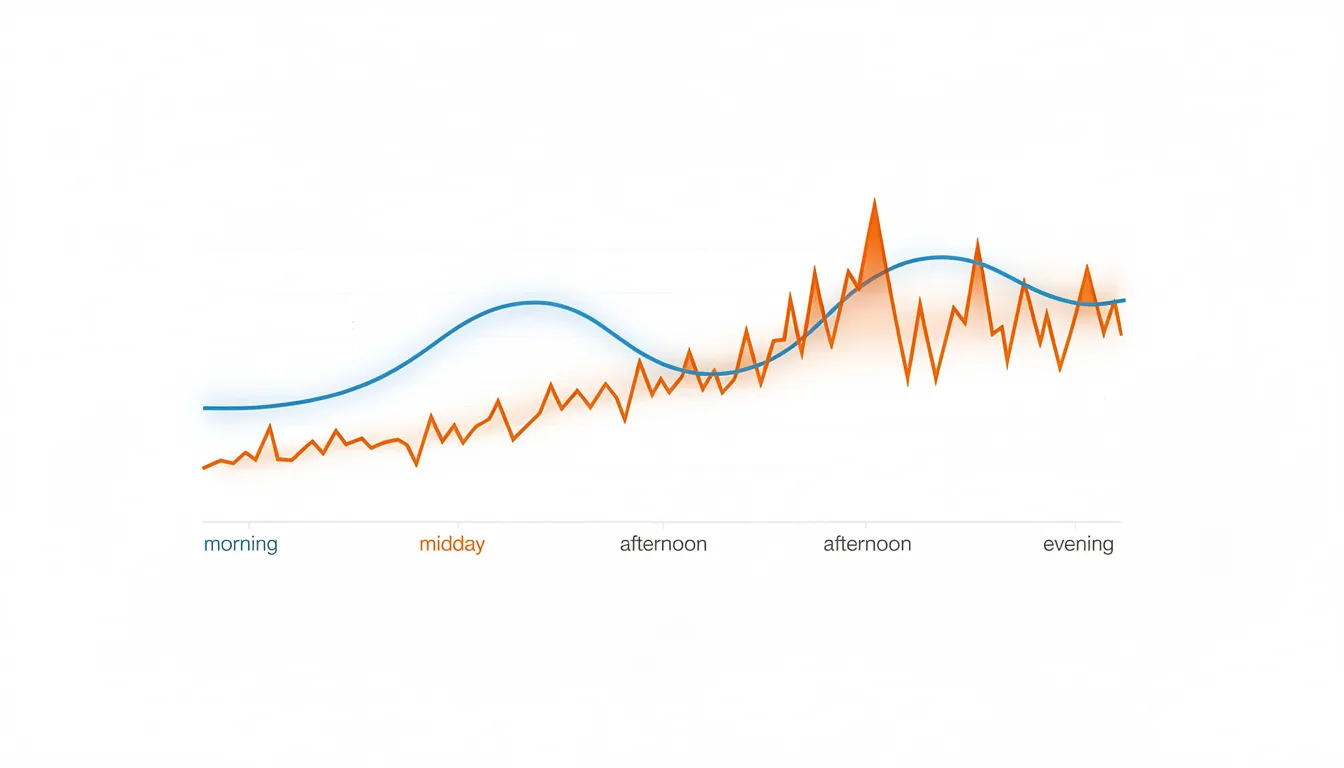
One of the earliest subjective shifts people report—often within two to four weeks—is steadier daytime energy. This doesn’t mean feeling “wired” or stimulated. Instead, most users describe fewer mid-morning or mid-afternoon dips, without the jittery edge that comes from caffeine or energy drinks. The experience is more like a stable energy baseline throughout the day rather than peaks and crashes.
When you take NMN, your body converts it into NAD+, which supports mitochondrial ATP production—essentially how your cells produce energy. Human studies, including work published around 2020-2021, have shown increased NAD+-related metabolites within weeks of daily NMN supplementation. This doesn’t promise clinical outcomes, but it does explain why many users report feeling more energy that lasts.
What does “smoother energy” actually look like in real life? It might mean staying focused through a full workday without hitting a wall at 3 p.m. Some people notice they reach for that second cup of coffee less often, or they feel less wiped out after running errands or managing childcare. Others simply find that their afternoons feel as productive as their mornings.
It’s worth noting this is usually a subtle background change, not a sudden rush on day one. If you don’t notice this shift immediately, it doesn’t automatically mean NMN isn’t working—biology varies from person to person. Some people feel sharper within the first week; for others, it takes six weeks or longer before the effect becomes apparent.
To notice this effect more clearly, consider keeping a simple energy log for two to six weeks. Rate your morning, afternoon, and evening energy on a scale of 1-10. Track your caffeine intake. Compare your work productivity or step counts over time. These small data points can reveal patterns that are easy to miss day-to-day.
2. You recover from busy days or workouts a bit more easily
After about four to eight weeks of consistent NMN supplementation, some people report feeling less “dragged out” the morning after demanding days. Whether it’s travel, back-to-back meetings, or a moderate exercise session, the sense of lingering fatigue seems to lift a bit faster than before.
The connection to biology is straightforward: improved NAD+ availability may support mitochondrial function and cellular repair signaling in muscle and other tissues. Small human studies have linked NMN to better muscle insulin sensitivity and aerobic capacity in older adults, though these findings don’t guarantee performance improvements for everyone. What they do suggest is that NMN may help the body bounce back more efficiently from physical and metabolic demands.
In practical terms, this might look like experiencing similar soreness after a workout but feeling more willing to move the next day. You might find yourself able to do back-to-back errands or take walks on consecutive days without needing a full recovery day in between. It’s not that NMN makes you stronger overnight—it’s more of a “next-day readiness” feeling that accumulates over time.
This effect pairs best with regular exercise, decent sleep, and good nutrition. NMN works within your existing lifestyle rather than replacing it. If you’re sedentary and eating poorly, the effects will likely be harder to detect.
Pay attention to how you feel during daily activities: climbing stairs, walking to the train, doing household chores. Track your perceived exertion over several weeks rather than chasing personal records at the gym. The changes are often more meaningful in these routine moments than in peak athletic performance.

3. Your focus and mental clarity feel more consistent
Around three to six weeks of consistent use, many users who respond well to NMN don’t necessarily feel “smarter,” but they do report fewer patches of mental fog. Sustained attention for reading, meetings, or detailed work seems to come more easily. The improvement is often described as improved focus rather than enhanced intelligence.
The brain is one of the most metabolically demanding organs in the body, relying heavily on NAD+ for mitochondrial energy production. NAD+ also supports enzymes like sirtuins that help maintain cellular function in neurons. This is based on mechanistic and early human research—not a guaranteed cognitive enhancement—but it helps explain why some people notice mental clarity improving alongside their NMN routine.
What does this look like practically? Being able to sit through a 90-minute block of deep work without constantly checking your phone. Following conversations more easily during long video calls. Feeling less scattered by mid-afternoon. These aren’t dramatic transformations, but they add up to a sense that your brain is running on more stable energy.
If you want to track this objectively, consider metrics like time-to-task-completion, number of “deep work” sessions completed in a week, or subjective ratings of mental sharpness on a 1-10 scale. A simple notes app entry each afternoon can reveal patterns over a month that you’d otherwise miss.
It’s important to acknowledge that stress, sleep quality, and screen overload strongly influence cognition. NMN may offer cognitive support, but it’s best seen as one tool among lifestyle foundations, not a fix for burnout or chronic exhaustion.

4. Your sleep-wake rhythm feels more stable
NAD+ interacts with circadian clock machinery in ways researchers are still exploring. Enzymes like sirtuins are intertwined with the body’s internal clock, so NAD+ precursors such as NMN may influence how “aligned” your sleep-wake rhythm feels over weeks or months. This effect tends to be subtle but meaningful for people who respond to it.
Positive signs some users notice—typically when dosing in the morning—include dozing off more easily around the same time each night, fewer wide-awake episodes at 2 or 3 a.m., or waking feeling a bit more refreshed. Better sleep often compounds into better daytime function, creating a positive feedback loop.
However, timing matters. Taking NMN too late in the day can make some people feel “too on,” potentially fragmenting sleep rather than improving it. Most practitioners and researchers in the NAD+ field recommend morning dosing to align with the body’s natural circadian rhythm and NAD+ peaks.
To track changes in your sleep, consider keeping a simple diary or using an app for at least three to four weeks before and after starting NMN. Note bedtime consistency, number of awakenings, and morning alertness. This creates a baseline you can compare against.
Many factors affect sleep quality—light exposure, caffeine timing, stress, and screen use all play significant roles. NMN alone cannot solve chronic insomnia or medical sleep disorders. Work on these fundamentals alongside any supplement for the best results.

5. Your mood and stress resilience feel a bit more even
Let me be clear upfront: NMN is not an antidepressant or anxiety treatment. No supplement should replace professional support where needed, and this section stays firmly within informational boundaries.
That said, in the context of good sleep, regular movement, and proper nutrition, some people report feeling slightly more “even-keeled” after several weeks of NMN use. This might show up as being less reactive to everyday hassles, having a bit more capacity to handle busy days, or experiencing fewer pronounced afternoon mood dips. It’s not euphoria—it’s more like resilience.
The biological connection is indirect but plausible: better cellular energy production and mitochondrial function in brain and body, plus NAD+’s role in stress-response pathways, may contribute to how we feel day-to-day. This is based on preclinical and early human NAD+ research, not clinical claims about mental health treatment.
Concrete examples help illustrate this. Handling a traffic jam or schedule change without the same level of irritation. Returning to baseline more quickly after a stressful work email. Feeling less overwhelmed by a long to-do list. These shifts are often subtle enough that you don’t notice them until someone else points out that you seem calmer.
Consider tracking this in a brief daily journal: one line on stress level, one line on mood, and a 1-10 rating. Look for patterns over four to eight weeks rather than day-to-day swings, which are normal and expected regardless of supplementation.

6. Small changes in physical stamina and daily activities
NMN’s NAD+-related support of energy metabolism may manifest as subtle increases in daily movement capacity over four to twelve weeks, particularly when combined with regular walking or exercise. This isn’t about becoming an athlete overnight—it’s about noticing that routine physical tasks feel slightly easier.
Human studies have examined NMN supplementation in older adults and found associations with improved walking distance or aerobic capacity under controlled conditions. However, research settings differ from everyday life, and results don’t guarantee comparable improvements for everyone. What the data does suggest is that NMN may support the body’s ability to produce energy during physical activity.
In daily activities, this might look like choosing stairs instead of an elevator more often without dreading it. Walking slightly longer routes without needing to pause. Feeling less hesitant to add a short evening walk after work. These small changes in improved endurance can compound into a more active lifestyle over time.
Objective ways to monitor this include tracking basic step-count trends from your phone or wearable device, noticing whether usual walking routes feel easier, or paying attention to how often you need breaks during housework or yard work. The metrics don’t need to be complicated—just consistent.
NMN is not a performance-enhancing drug. Any gains will generally be modest and are best viewed as support for what you’re already doing with training, diet, and recovery. Expect gradual improvement, not transformation.

7. You notice differences most clearly when you pause NMN
One of the clearest ways to sense whether NMN works for you is through comparison. Some long-term users—after three to six months or more—only realize NMN was doing “something” when they stop for a week and feel slightly more tired, less focused, or slower to recover. Long term use of NMN is common among those who notice the most pronounced effects when they pause supplementation.
After about 6 to 10 weeks of NMN supplementation, many of its long-term benefits start becoming more noticeable.
If you want to run a simple self-experiment, here’s a reasonable approach: after several consistent months at a stable dose (commonly 250-500 mg daily in human trials), and assuming no medical contraindications, take a five to seven day break while keeping lifestyle factors as constant as possible. Note any changes in energy, focus, or recovery. This “on vs. off” contrast can be more revealing than waiting for dramatic changes during use, because NMN’s effects are often cumulative and operate at a background level.
If you have medical conditions or take medications, discuss this approach with a clinician before trying it.
Noticing no difference after a pause doesn’t automatically mean NMN has no biological effect. Some changes are measurable only with lab tests (like actual NAD levels), not through subjective experience. However, your personal perception can inform a cost-benefit decision about whether to continue.
Even if benefits are present, they may be modest. NMN is best understood as part of a long-term healthy lifestyle strategy rather than a short-term fix. The typical timeline for noticeable effects spans weeks to months, not days.
Typical Timeline for Results
The timeline for noticing the effects of NMN supplementation can vary widely from person to person. Some users report feeling initial benefits—such as more energy and improved focus—within just a few weeks, while others may need several months of consistent use to notice significant changes. On average, most users begin to report feeling sharper and more energized within two to three months of daily NMN supplementation. However, not everyone will respond in the same way, and some may not notice obvious changes at all. It’s important to be patient, track your own experience, and remember that subtle shifts in energy and focus are often the first signs that NMN is working.
Potential Side Effects
While NMN supplements are generally well-tolerated, some users may experience mild side effects, especially when first starting out. These can include digestive discomfort, headaches, or occasional insomnia—often related to dose or timing. To minimize these effects, start with a lower dose, take NMN with food, and avoid taking it late in the day to protect your sleep quality. NMN may interact with certain medications or underlying health conditions, so it’s essential to consult with a healthcare professional before beginning supplementation. By being mindful of your dose and listening to your body, you can help ensure a positive experience and maximize the potential benefits of NMN supplementation.
How to track NMN’s impact responsibly
To get the most from your NMN routine, consider tracking a few key metrics consistently over time. Based on the signs discussed above, useful approaches include:
| Tracking Method | What It Measures | How to Use It |
|---|---|---|
| Energy journal | Morning, afternoon, evening energy levels | Rate 1-10 daily for 8+ weeks |
| Sleep diary | Bedtime, wake time, awakenings, refreshment | Note patterns for 4+ weeks |
| Step count | Daily movement and stamina trends | Check weekly averages over months |
| Focus ratings | Mental clarity during work sessions | Brief daily notes on concentration |
| Caffeine log | Reliance on stimulants | Track cups/doses alongside energy |
Clinical trials show NMN can impact fasting glucose, insulin sensitivity, and triglyceride levels over 60–90 days, and these can be tracked with lab tests.
Choose two or three metrics that matter most to you personally. Someone focused on physical performance might prioritize step counts and recovery ratings. Someone concerned with cognitive support might focus on concentration logs and afternoon alertness.
Consistency is essential—same dose, same time (preferably morning), and reasonably stable lifestyle patterns make changes easier to interpret. If you change multiple variables at once, you won’t know what’s responsible for any shifts you notice.
After a few weeks, you may also notice improved skin and hair, such as healthier, more elastic skin, improved hydration, and faster hair or nail growth. These changes can be tracked subjectively.
Before starting NMN, consult healthcare professionals if you’re pregnant, nursing, managing chronic conditions, or taking prescription medications. Research on specific populations is still evolving, and personalized guidance matters.
Quality also matters. High-quality, third-party-tested NMN is important for reliable dosing, as stability and purity affect actual NAD+ precursor intake. Liposomal NMN may support more efficient uptake into the bloodstream compared to traditional forms, leading to better absorption and more stable NAD+ levels. Not everyone responds the same way, and product variability can influence results. Stay neutral in your product selection and look for transparency in testing.

For practical results, taking NMN with a meal can improve its absorption.
Final thoughts: Setting realistic expectations for NMN
The most common signs that NMN may be working are subtle shifts rather than dramatic transformations. More stable energy through the day. Easier recovery from demanding activities. More consistent focus during work. A more aligned circadian rhythm. Slightly better stress resilience. Modest improvements in daily stamina. And often, the clearest signal comes when you pause and notice the absence of these quiet benefits.
Research on NMN in humans continues to develop. Results from trials conducted between roughly 2016 and 2023 are encouraging for NAD+ biology, but they don’t guarantee specific health outcomes for every individual. Your digestive system, baseline NAD levels, age, and overall health all influence how you respond. Performing security verification of claims against actual research helps maintain realistic expectations.
The best approach is a long-term, holistic view. NMN can be one tool alongside quality sleep, regular exercise, good nutrition, stress management, and regular medical care to support healthy aging at the cellular level. It’s not a magic pill, and it doesn’t replace the fundamentals.
Stay curious. Track your own data thoughtfully over months, not days. Partner with qualified professionals when making significant changes to your supplement routine. The goal isn’t to chase dramatic before-and-after stories—it’s to support your body’s natural capacity to function well as you age. That’s a meaningful goal, even if the signs are subtle.
Further Reading
Explore more articles related to this topic:
- Morning vs Night: When Is the Scientifically “Perfect” Time to Take NMN?
- What Is the Best Time of Day to Take NMN?
- How Long Does It Take to See Results NMN?
- NMN and Intermittent Fasting: Should You Take Your Supplement During the Fast?
- The Best NMN Supplement in 2026: Evidence, Purity & How to Choose
- NAD+ Test at Home: How to Measure Your NAD+ Levels in 2026