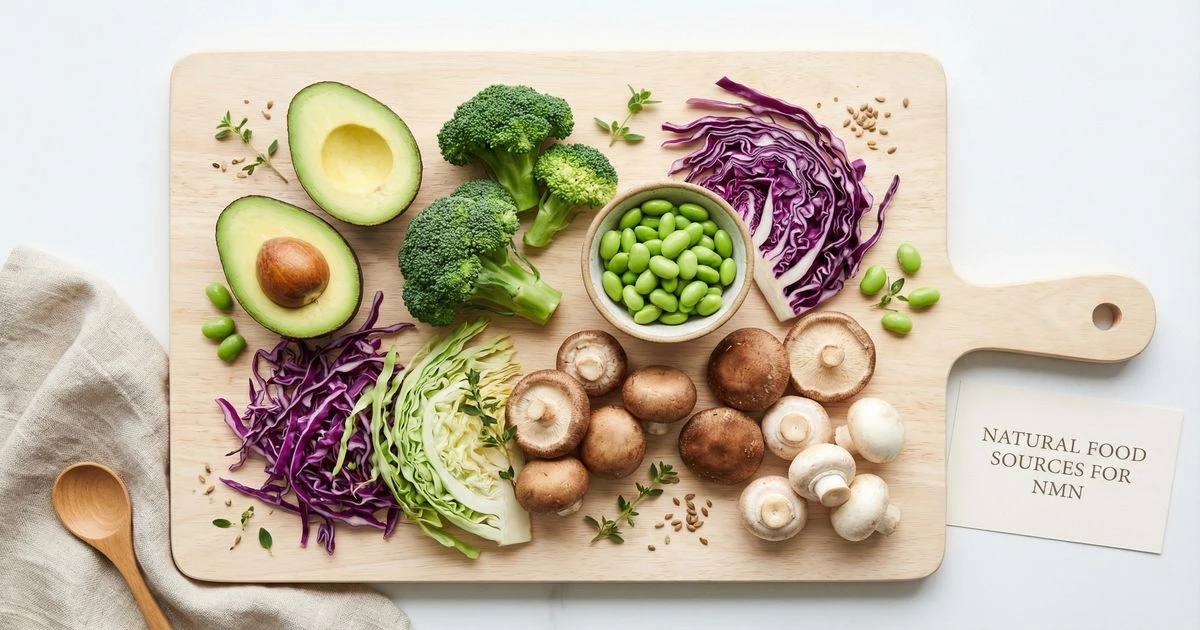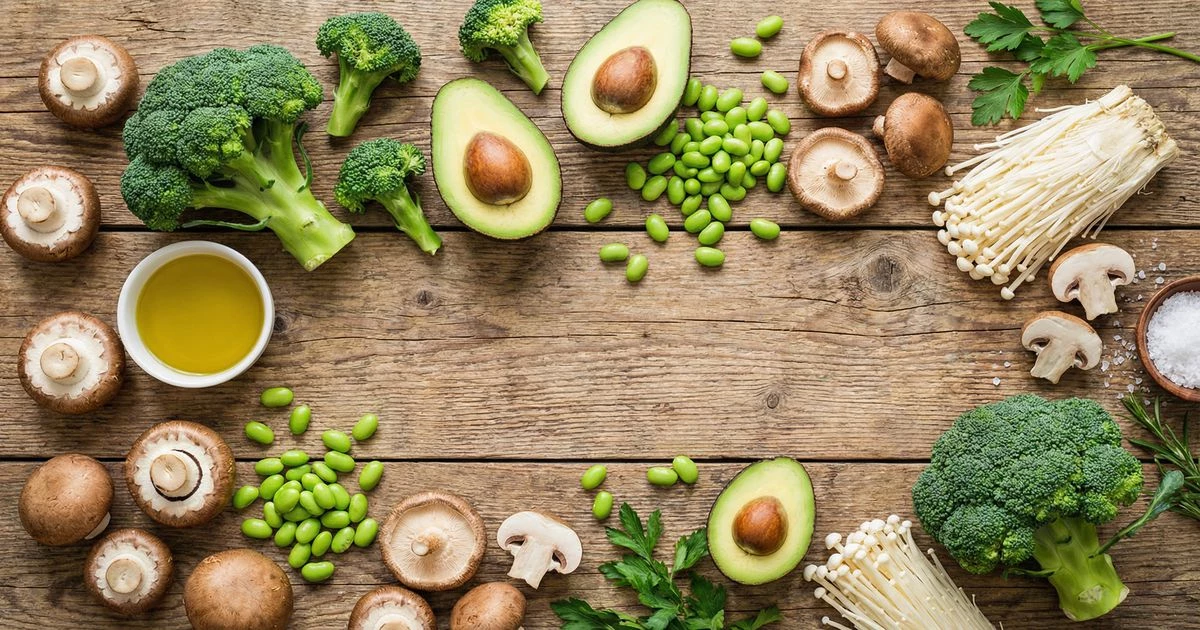

If you’ve been exploring ways to support your cellular health and energy levels as you age, you’ve likely come across nicotinamide mononucleotide nmn. This naturally occurring compound serves as a building block for NAD+, a molecule essential for energy production, DNA repair, and keeping your cells running smoothly. The good news? You don’t need to look further than your kitchen to find natural sources of this intriguing molecule.
This article focuses exclusively on natural food sources of NMN rather than nmn supplements. While foods provide relatively small amounts compared to supplemental doses, they come packaged with fiber, vitamins, and other nutrients that support overall health. The evidence we’ll discuss comes mainly from laboratory analyses and animal studies, with a handful of human clinical trials published between 2016 and 2023. We’ll walk through 25 specific foods, share practical cooking tips to retain NMN, and offer simple ideas for building daily menus around these ingredients.
What Is NMN and How Is It Linked to NAD+?
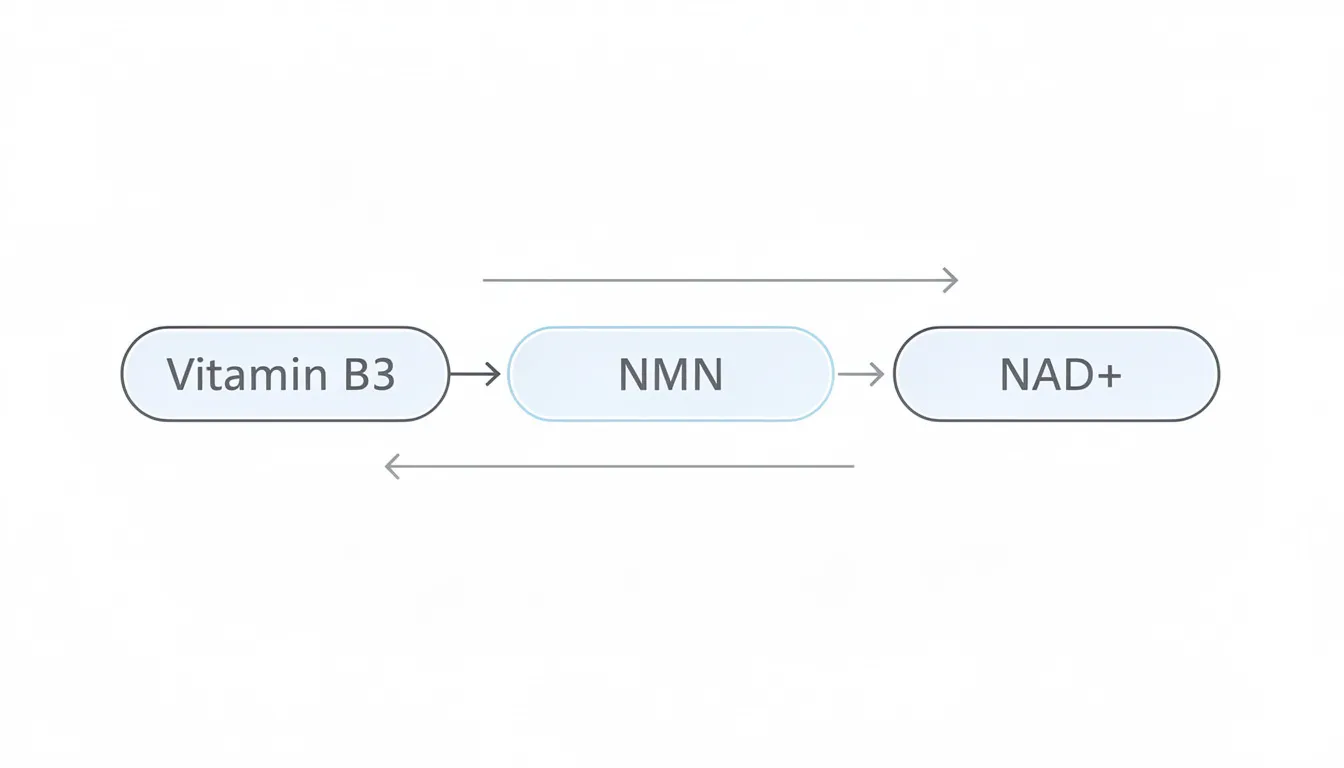
Nicotinamide mononucleotide is a molecule that your body uses as raw material to produce nicotinamide adenine dinucleotide nad, commonly known as NAD+. Think of NMN as sitting one step before NAD+ on a biochemical assembly line. When you consume NMN through food or nmn supplementation, your cells can convert it into NAD+ through well-documented enzymatic pathways.
NAD+ participates in hundreds of cellular reactions, including those that drive energy metabolism in your mitochondria, support DNA repair mechanisms, and regulate gene expression through proteins called sirtuins. Foundational research from scientists like Shin-ichiro Imai and Leonard Guarente has demonstrated how NAD+ acts as a central player in cell metabolism and cellular repair processes.
Here’s where aging enters the picture: NAD+ levels tend to decline as we get older, with some research suggesting levels may drop by roughly 50% by middle age. This decline has been linked to age associated physiological decline and mitochondrial dysfunction. NMN represents one of several NAD+ precursors the body can use to help maintain nad levels, alongside compounds derived from vitamin b3 like niacin and nicotinamide riboside.
Important note: Most current mechanistic data on NMN and its potential for reversing aging markers come from animal studies and cell research. Human research is still limited and exploratory, so avoid viewing any food as a guaranteed solution for age related conditions.
How Much NMN Do Foods Actually Contain?
Laboratory analyses using high-performance liquid chromatography (HPLC) have measured NMN in various foods, finding levels typically in the microgram-to-milligram range per 100 grams. Japanese research teams conducted some of the earliest systematic measurements between 2016 and 2020, examining both plant and animal products.
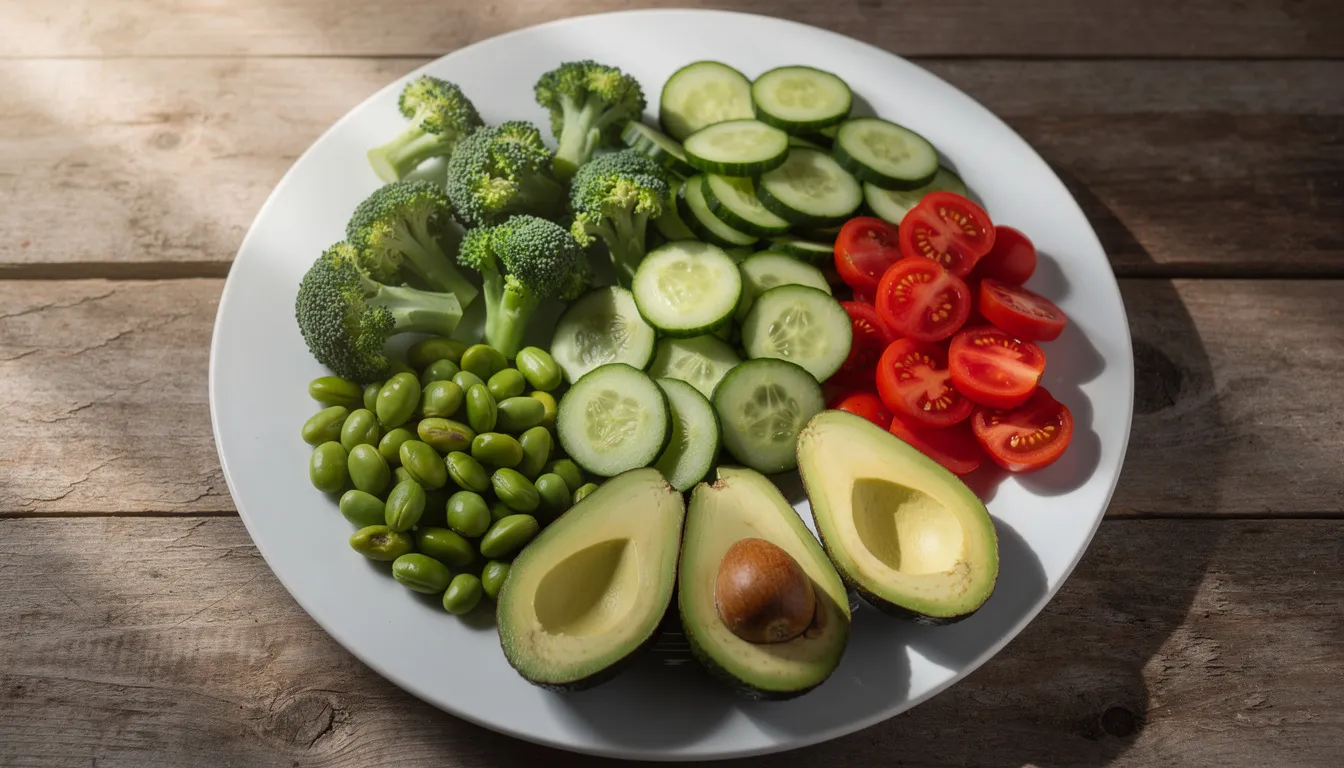
The nmn content in foods varies considerably based on cultivar, growing conditions, storage time, and cooking methods. For example, edamame samples often show approximately 0.5–1.5 mg NMN per 100 g, while broccoli ranges from about 0.25–1.1 mg per 100 g. These are approximations rather than guaranteed values for every sample you encounter at the grocery store.
To put these numbers in perspective, human supplement research studies typically use doses between 250–600 mg NMN per day, with some clinical trials testing up to 1,200 mg daily. Reaching those intake levels through diet alone would require consuming unrealistic quantities of food—calculations suggest you’d need tens of kilograms of broccoli to match a typical supplement dose.
Despite these low absolute quantities, nmn rich foods remain nutritionally valuable. They deliver fiber, polyphenols, healthy fats, b vitamins, and other nutrients that support good health through multiple pathways beyond NMN alone.
| Food | Approximate NMN (mg/100g) | Key Nutrients |
|---|---|---|
| Edamame | 0.5–1.5 | Protein, fiber, folate, vitamin K |
| Broccoli | 0.25–1.1 | Vitamin C, vitamin K, sulforaphane |
| Avocado | 0.36–1.6 | Monounsaturated fats, potassium, folate |
| Cucumber | 0.6–0.7 | Water, vitamin K, antioxidants |
| Tomato | 0.26–0.30 | Lycopene, vitamin C, potassium |
| Raw beef | 0.06–0.42 | Iron, zinc, B12, protein |
| Cow’s milk | 0.003–0.26 | Calcium, protein, riboflavin |
Top 25 Natural Food Sources of NMN
The following foods are grouped into vegetables, fruits, grains and legumes, and animal-derived sources. Each entry includes approximate NMN ranges where laboratory data exists, key nutritional highlights, and practical serving ideas.
Keep in mind that these rankings are approximate, based on available published research. The “mg per 100 g” values represent estimates rather than guaranteed amounts for every sample. Focus on variety and enjoyment rather than trying to calculate exact NMN intake.
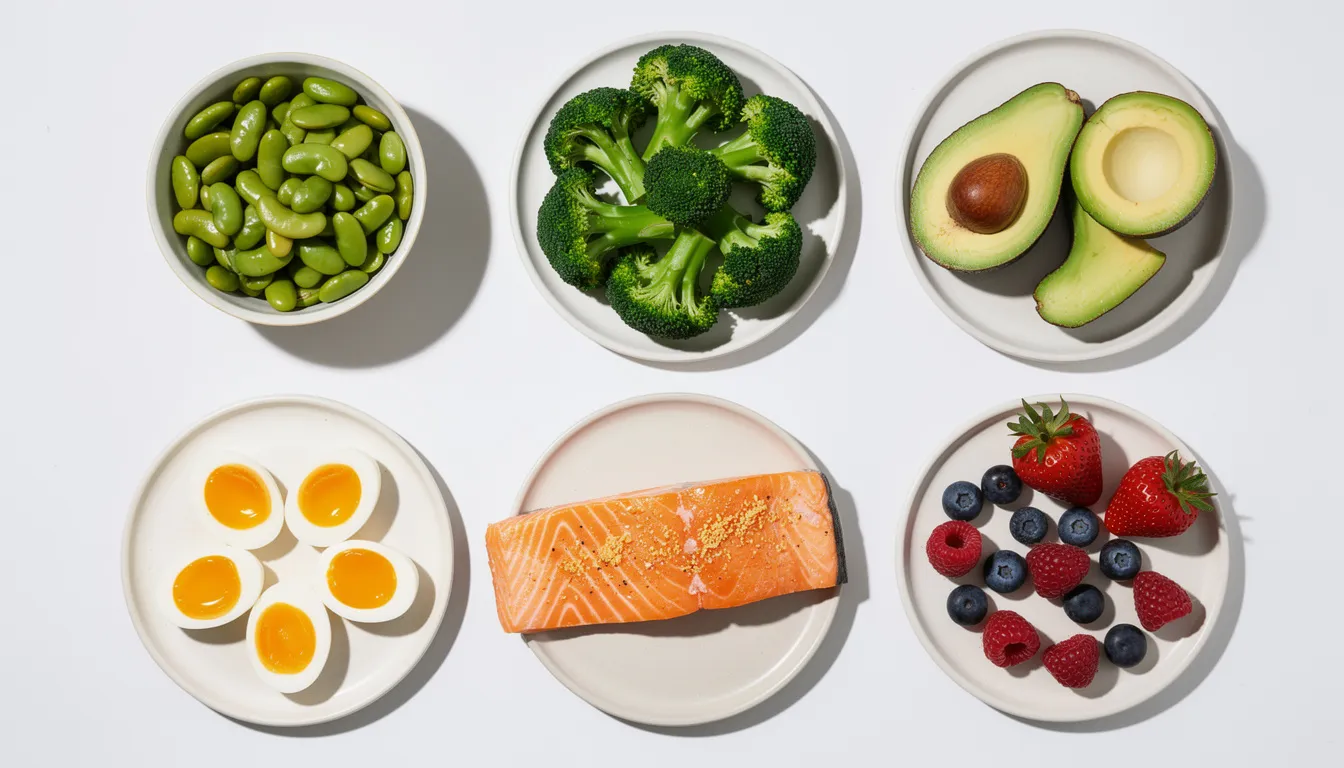
1. Edamame (Young Soybeans)
Edamame consistently ranks among the highest commonly reported food sources of nmn, with laboratory analyses showing approximately 0.5–1.5 mg NMN per 100 g. Young soybeans appear to have active NMN-producing enzymes, particularly in immature pods.
Beyond NMN, these young soybeans deliver high-quality plant protein, fiber, folate, and vitamin k. They’re also one of the few plant foods providing complete protein with all essential amino acids.
Serving ideas:
Lightly steamed pods with sea salt (classic Japanese appetizer style)
Shelled edamame tossed into grain bowls or salads
Blended into hummus-style spreads with garlic and olive oil
Quick steaming for 2–3 minutes preserves more heat-sensitive compounds than prolonged boiling, helping maintain both NMN and vitamin content.
2. Broccoli (Florets and Stems)
Broccoli shows typical NMN estimates around 0.25–1.1 mg per 100 g, with some lab reports suggesting stems may contain similar or slightly higher amounts than florets. This makes the whole vegetable worth eating rather than discarding the stems.
The cruciferous vegetable also delivers vitamin c, vitamin k, and glucosinolates (precursors to compounds like sulforaphane) that support cellular health through additional mechanisms.
Practical cooking tips:
Quick steaming for about 2–3 minutes until bright green
Stir-frying over medium heat with garlic
Finely chopped raw broccoli in slaws or salads
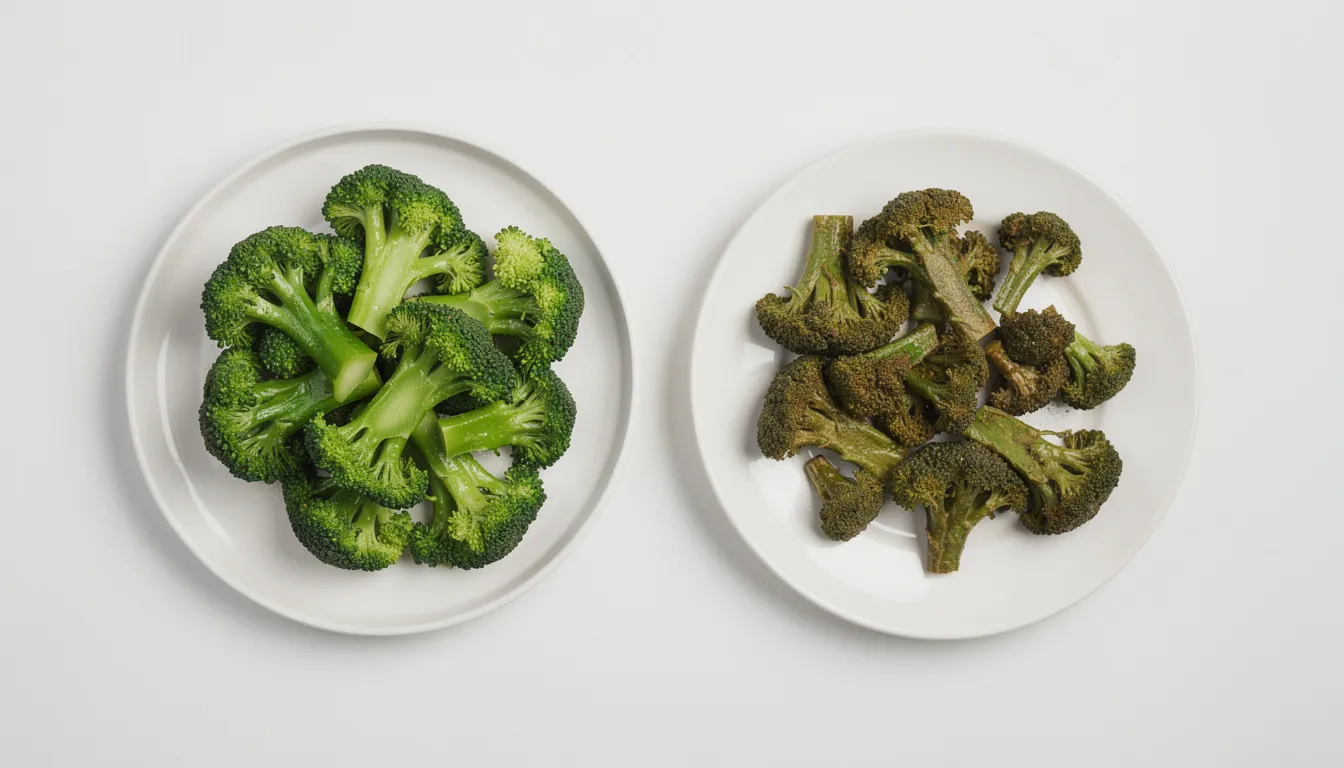
Cooking note: Long boiling can reduce NMN content by 50% or more, along with water-soluble vitamins. Keep cooking times short and minimize water contact.
3. Cabbage (Green, Red, and Napa)
Cabbage shows a wide NMN range (roughly 0.01–0.9 mg per 100 g) depending on variety and measurement method. Red cabbage tends toward the higher end while providing additional anthocyanin antioxidants that give it the distinctive purple color.
This affordable vegetable offers high vitamin C and vitamin K content along with beneficial fiber for gut health.
Serving ideas:
Raw coleslaw with light dressing
Quick stir-fries with other nmn rich vegetables
Traditional ferments like sauerkraut and kimchi
Fermentation changes nutrient forms and may affect NMN levels, but adds probiotics and organic acids that support digestive health—a worthwhile trade-off for many people.
4. Cucumber
Cucumbers are commonly reported to contain roughly 0.6–0.7 mg NMN per 100 g, making them a notable plant source despite their reputation as mostly water. Their high water content and low energy density make them excellent for hydration and volume eating.
The peel contains small amounts of vitamin K and antioxidants, so keeping it on (when washed well or organic) maximizes nutritional value.
Practical uses:
Raw slices in salads or as dippers
Yogurt-based tzatziki dips
Infused water with mint and lemon for a refreshing drink
5. Avocado
Analyses often report avocado NMN levels between approximately 0.36–1.6 mg per 100 g, placing it among richer plant sources. The nmn per serving combines with an impressive nutrient profile.
Avocados provide monounsaturated healthy fats, fiber, potassium, and folate. These nutrients contribute to heart health when used in place of saturated fats.
Serving suggestions:
Classic avocado toast on whole-grain bread
Sliced into salads or grain bowls
Blended into smoothies for creaminess
Since NMN is heat-sensitive, favor raw avocado preparations over baked or grilled applications to retain more of this compound.
6. Tomatoes
Tomatoes generally measure around 0.26–0.30 mg NMN per 100 g in published food surveys, with cherry tomato varieties showing slightly higher concentrations in some analyses.
Their lycopene content and vitamin C make them nutritional standouts. Interestingly, gentle cooking can increase lycopene bioavailability while modestly reducing NMN—a reasonable trade-off depending on your goals.
Usage ideas:
Fresh tomato salads with basil
Bruschetta on crusty bread
Lightly cooked sauces and salsas
Combining tomatoes with olive oil helps your body absorb fat-soluble carotenoids like lycopene more effectively.
7. Mushrooms (Common Culinary Varieties)
Common mushrooms like button and shiitake typically show relatively low NMN levels (around 0–0.01 mg per 100 g in most analyses). However, they remain relevant for overall B-vitamin intake and other nutrients.
Mushrooms provide riboflavin, niacin, selenium, and beta-glucan fibers that may support immune function. They’re a useful complement to other NMN-rich vegetables in your diet.
Serving ideas:
Sautéed mushrooms with herbs
Mushroom stir-fries with broccoli
Added to omelets or soups
While not top NMN sources by weight, mushrooms round out the nutritional picture when combined with higher-NMN vegetables.
8. Green Peas and Other Legumes
Green peas and other legumes contain modest NMN amounts (trace to low mg per 100 g based on limited data), but they also provide niacin and other nutrients involved in NAD+ metabolism.
Their plant protein, fiber, and micronutrient profile (including b vitamins and iron) support overall energy metabolism and metabolic health.
Serving suggestions:
Pea soups with vegetables
Curries and mixed vegetable dishes
Pureed peas as a side dish
Soaking and proper cooking of dried legumes improves digestibility and nutrient availability.
9. Spinach and Other Leafy Greens
Spinach and similar leafy greens show relatively low but measurable NMN content in some analyses (tens to hundreds of micrograms per 100 g). Their real nutritional power lies elsewhere.
These greens deliver high folate, vitamin K, carotenoids (lutein, beta-carotene), and magnesium—nutrients crucial for cellular energy and overall health.
Serving suggestions:
Fresh salads with various toppings
Quick sautéed greens with garlic
Smoothie additions for green nutrition
Mixed into omelets or added to soups at the end of cooking
Alternating raw and lightly cooked preparations balances oxalate content and nutrient availability.
10. Edible Seaweeds (Nori, Wakame, Kombu)
Emerging research suggests certain seaweeds contain small amounts of NMN and related compounds, though precise values are still being established through ongoing research studies.
The primary nutritional advantages include iodine and trace minerals, though intake should remain moderate due to high iodine concentration in some varieties.
Ideas for incorporation:
Nori sheets for homemade sushi rolls
Miso soup with wakame
Seaweed salads (common in Japanese cuisine)
Vary seaweed type and portion size to avoid excessive iodine intake, particularly if you have thyroid considerations.
11. Cow’s Milk
Cow’s milk has been reported to contain trace NMN alongside other NAD+ precursors, though quantities per serving remain small. Unpasteurized milk retains more NMN according to some analyses, though pasteurization is important for food safety.
Milk provides protein, calcium, vitamin B12, and riboflavin that support general nutrition and bone health.
Serving suggestions:
A glass of milk with meals
Added to oatmeal or porridge
Fermented forms like yogurt and kefir
Lactose-intolerant individuals can consider lactose-free milk or fortified plant-based alternatives, though NMN levels in these alternatives may differ and are less studied.
12. Yogurt and Fermented Dairy
Yogurt and kefir contain modest levels of NAD+-related compounds and potentially NMN, depending on fermentation processes and starter cultures used.
Live cultures (when present), protein, and calcium represent the main reasons to include these in an eating pattern supporting cellular health.
Serving ideas:
Plain yogurt topped with fruit and nuts
Kefir smoothies with berries
Yogurt-based savory sauces and dips
Choose lower-added-sugar options to focus on nutrient density rather than empty calories.
13. Raw Beef (Lean Cuts)
Lean raw beef has been reported with approximately 0.06–0.42 mg NMN per 100 g in some laboratory analyses, making it a modest animal source. Grass-fed beef may contain slightly higher levels than grain-fed according to some research.
The core nutrients include iron, zinc, and high-quality protein essential for physical performance and muscle maintenance.
Food safety note: While some analyses use raw samples for measurement, real-world consumption should prioritize fully cooked beef to avoid foodborne illness risks.
Enjoy moderate portions of grilled, stewed, or stir-fried lean beef paired with plenty of NMN-rich vegetables.
14. Shrimp and Other Shellfish
Shrimp samples have been measured at around 0.2 mg NMN per 100 g, positioning them as a relatively minor but noteworthy source among animal foods.
Shellfish provide lean protein, iodine, selenium, and vitamin B12 as primary nutritional advantages.
Serving suggestions:
Quickly sautéed shrimp (cooked just until opaque)
Shrimp salads with vegetables
Seafood soups and stews
Those with shellfish allergies should avoid these foods entirely and focus on other protein sources.
15. Fish (Salmon, Tuna, Sardines)
Fish generally contain low but present NMN and are richer in niacin and other B vitamins that also support NAD+ metabolism through the direct path of nicotinamide conversion.
Wild salmon, sardines, and other fatty fish provide omega-3 fatty acids (EPA and DHA) for heart health and brain function, vitamin D, and high-quality protein.
Serving ideas:
Baked or grilled salmon
Canned sardines on whole-grain crackers
Tuna salads with vegetables and olive oil
Choose low-mercury options like salmon, sardines, and trout, and vary species for the broadest nutrient intake.
16. Chicken and Turkey (Lean Poultry)
Poultry contains small amounts of NMN alongside higher amounts of niacin, which your body can convert through pathways leading to NAD+. This makes poultry an indirect supporter of nad levels.
These lean protein sources provide B vitamins and minerals like selenium and phosphorus.
Serving ideas:
Baked chicken breast with herbs
Turkey stir-fries with broccoli and cabbage
Shredded chicken added to salads
Trim visible fat and avoid heavily processed forms (breaded or high-sodium deli meats) when aiming for nutrient-dense choices.
17. Eggs
Eggs contain trace NMN and other NAD-related compounds in both yolk and white, though published NMN values remain limited. What’s well-established is their exceptional nutrient density.
Eggs provide complete protein, choline, vitamin B12, selenium, and vitamin e—nutrients supporting everything from brain function to antioxidant defenses.
Serving suggestions:
Soft-boiled eggs for breakfast
Veggie omelets with spinach and tomatoes
Hard-boiled eggs in salads
Lightly cooked eggs preserve more heat-sensitive nutrients than prolonged high-heat frying.
18. Whole Grains (Brown Rice, Oats, Barley)
Whole grains aren’t major NMN sources but contain niacin and tryptophan, both used by the human body in NAD+ production pathways. This makes them indirect supporters of improving energy metabolism.
Their fiber, B vitamins, and minerals (magnesium, manganese) support sustained energy and metabolic health.
Serving ideas:
Oatmeal with fruit and nuts
Barley soups with vegetables
Brown rice bowls combined with edamame and broccoli
Swapping refined grains for whole grains where possible supports overall metabolic function.
19. Nuts (Walnuts, Almonds, Pistachios)
Nuts contain very small NMN quantities but provide niacin, healthy fats, polyphenols, fiber, magnesium, and plant protein.
Serving suggestions:
Small handful of mixed nuts as a snack
Nut toppings on salads and grain bowls
Nut butters on whole-grain toast
Portion guidance of around 20–30 g per serving helps manage energy density while maximizing benefits.
20. Seeds (Sunflower, Pumpkin, Flax, Chia)
Seeds provide trace NMN and niacin, along with precursors and cofactors involved in cellular energy production.
Key nutrients include omega-3 fatty acids (flax and chia), zinc (pumpkin seeds), and vitamin e (sunflower seeds).
Serving ideas:
Sprinkle over yogurt or salads
Add to smoothies for nutrition boost
Use in homemade granola
Grind flax seeds before use to improve nutrient bioavailability—whole seeds often pass through undigested.
21. Bananas
Bananas contain low but detectable NMN levels in some plant metabolite surveys and contribute to overall B-vitamin intake. Their real strength lies in convenience and nutrient density.
Potassium, vitamin B6, and natural carbohydrates support everyday energy needs and can help with jet lag recovery when traveling.
Serving suggestions:
Fresh as a portable snack
Sliced onto oatmeal
Blended into smoothies with greens and yogurt
Pair bananas with protein or healthy fat (like nut butter) for more balanced snacks that support insulin sensitivity.
22. Grapes (Particularly the Skin)
Grapes contain small amounts of NMN and related compounds, along with polyphenols like resveratrol concentrated in the skins. This anti aging molecule has been studied extensively, though primarily in animal models.
Whole grapes retain fiber that juice lacks, along with vitamin C and antioxidants.
Serving ideas:
Fresh grapes as snacks
Sliced into fruit salads
Frozen grapes as a healthy dessert alternative
Darker varieties (red, purple, black) tend to be richer in polyphenols than green grapes.
23. Berries (Blueberries, Strawberries, Raspberries)
Berries show trace NMN where measured and deliver a wide variety of polyphenols and vitamin c. Observational studies consistently associate berry consumption with better cardiometabolic markers.
Serving suggestions:
Mixed berry bowls for breakfast
Toppings for yogurt or porridge
Simple berry desserts with minimal added sugar
Freezing preserves most nutrients and allows year-round access to these beneficial effects.
24. Citrus Fruits (Oranges, Lemons, Grapefruits)
Citrus fruits aren’t major NMN sources but contribute small amounts of NAD+-related B vitamins along with abundant vitamin c.
Vitamin C plays established roles in antioxidant defenses and collagen formation for skin and joint health.
Serving ideas:
Fresh orange segments
Citrus in salads for brightness
Lemon in water
Homemade citrus dressings
Consume whole fruits rather than primarily juices to maintain fiber intake and avoid blood sugar spikes.
25. Fermented Soy Foods (Miso, Tempeh, Natto)
Fermented soy products begin with NMN-containing young soybeans, and fermentation modifies but doesn’t eliminate NAD-related compounds.
These foods offer protein, minerals, and—depending on the product—vitamin K2 (especially natto) and probiotics (in unboiled miso).
Serving ideas:
Miso soup added at the end of cooking (avoid boiling to preserve probiotics)
Tempeh stir-fries with vegetables
Natto served over rice (traditional Japanese breakfast style)
Flavor can be strong, especially with natto, so gradual introduction works best for newcomers.
Cooking and Storage: How to Preserve NMN in Foods
Like many vitamins and bioactive compounds, NMN can be sensitive to high heat, oxidation, and extended storage times. Research indicates NMN stability degrades 20–30% under temperatures above 100°C, explaining why raw or gently cooked foods typically retain more.
Key preservation principles:
Use shorter cooking times and lower temperatures where food safety allows
Minimize water contact (steaming beats boiling)
Handle foods gently and store properly
Recommended techniques:
Steam vegetables for 2–3 minutes until just tender-crisp
Light stir-frying over medium heat
Enjoy certain foods raw when appropriate (cucumbers, tomatoes, avocados)
For storage, refrigeration and protection from light and air (sealed containers) slow nutrient degradation. Processed foods that have undergone extensive heat treatment will contain less NMN than fresh alternatives.
Sample 1-Day Menu Featuring NMN-Rich Foods
Here’s a concrete example showing how to naturally incorporate several of the 25 NMN-containing foods without obsessing over exact gram amounts:
Breakfast: Oatmeal made with cow’s milk or yogurt, topped with blueberries, banana slices, and a sprinkle of walnuts and chia seeds
Lunch: Mixed salad with spinach, cucumber, tomato, avocado, and shelled edamame, dressed with citrus-olive oil vinaigrette, plus a side of whole-grain bread
Dinner: Grilled salmon (or tempeh for plant-based option) with lightly steamed broccoli and cabbage, brown rice, and a small bowl of miso soup with wakame
Snacks:
Fresh grapes or mixed berries
Raw vegetable sticks with hummus
Small portion of yogurt with fruit and seeds
This menu is informational rather than prescriptive. Adapt portions and foods to your preferences, cultural habits, and dietary needs. Consulting a healthcare professional before major dietary changes is always wise, especially if you have existing health conditions.
Can You Rely on Food Alone for NMN Intake?
Based on available quantitative data, whole foods provide NMN in milligram or sub-milligram quantities per day, while clinical trials typically test doses of 250–600 mg daily or higher doses in some studies. To reach research-level intakes through diet alone, you’d need to consume unrealistic quantities—roughly 25 kg of broccoli for a typical supplement dose.
However, this doesn’t mean rich foods lack value. They support NAD+ biology indirectly through:
Other precursors (niacin, tryptophan)
Essential cofactors (b vitamins, minerals)
Protective polyphenols and antioxidants
Fiber for gut health
Current human evidence on chronic nmn supplementation remains limited and evolving. More research is needed before anyone should view supplements or specific foods as guaranteed solutions for healthy aging. Research on studying nmn continues to expand, but older adults and others interested in these approaches should maintain realistic expectations.
If you’re considering higher doses through supplementation to potentially enhance aerobic capacity, improve insulin sensitivity, or enhance insulin sensitivity, discuss options with a healthcare professional first—particularly if you take medications or have conditions affecting insulin sensitivity or overall health.
Key Takeaways and Research Direction
NMN is a natural NAD+ precursor that occurs in small amounts across a wide range of plant and animal foods
Laboratory analyses show nmn levels varying significantly by food type, preparation, and storage
Diverse, minimally processed diets support cellular health through multiple mechanisms beyond NMN alone
Most strong mechanistic and longevity data on NMN currently come from animal and cellular studies, with small human randomized trials (2016–2023) providing early but preliminary findings
Looking ahead, future research may refine food-composition data for NMN, clarify differences among food varieties, and define more precisely how dietary NMN contributes to human NAD+ status. Scientists continue investigating whether lower doses from food provide meaningful benefits for physical activity levels, aerobic capacity, and markers of aging.
For now, view NMN-rich foods as one part of a broader lifestyle supporting good health—one that includes balanced nutrition, adequate sleep, regular physical performance challenges, and stress management. The 25 natural food sources listed here offer far more than trace NMN; they provide fiber, vitamins like vitamin c and vitamin k, minerals, and compounds that help keep cells healthy through multiple pathways.
Start by experimenting with a few of these foods in your weekly meals. Whether it’s adding edamame to your lunch bowl, enjoying steamed broccoli more often, or trying that avocado toast everyone talks about, small sustainable changes add up. The goal isn’t perfection or consuming enough nmn to match supplement studies—it’s building eating patterns that support your cells and overall health for the long term.
Further Reading
Explore more articles related to this topic:
- Best Longevity Supplements in 2026: Science‑Backed Picks Only
- Best Mitochondrial Health Supplements for 2026: A Science-Backed Guide
- The title already contains the keyword. No changes are necessary.
- NMN and Coffee: Does Caffeine Synergize or Interfere with NAD+ Production?
- Is NMN Better Than NR (Nicotinamide Riboside)? Science, Safety and How to Choose