
If you have been exploring the world of longevity supplements, you have probably encountered nicotinamide mononucleotide, better known as NMN. This naturally occurring molecule has generated significant attention since around 2018, when researchers like David Sinclair began sharing findings about its role in cellular metabolism. Andrew Huberman, another respected scientist, has also contributed to the discussion around NMN and longevity supplements, further increasing their popularity and credibility.
NMN serves as a precursor to nicotinamide adenine dinucleotide (NAD+), a coenzyme essential for cellular energy production, dna repair, and mitochondrial function. NAD+ plays a critical role in supporting the function of cells, helping to maintain cellular health and metabolism. As we age, NAD levels decline—some preclinical studies suggest a drop of approximately 50% between young adulthood and middle age. This decline has sparked growing interest in NMN supplements as a potential way to support healthy aging.
Here is the reality most people miss: many users end up wasting money on NMN not because the molecule is inherently useless, but because of avoidable mistakes in product choice, dosing, timing, and expectations. The supplement market exploded after 2020, and with that growth came a flood of low-quality products, exaggerated marketing claims, and confusion about how to actually use NMN effectively.
This article walks through 10 specific, science-grounded mistakes and explains how to avoid them. The goal is to help you make more informed, cost-effective decisions—whether you are already taking nmn or considering it for the first time. Note that most strong data comes from animal studies and early human clinical trials (roughly 2016–2023), and this content does not constitute medical advice or replace professional medical advice from a qualified healthcare provider.

Introduction to NMN
NMN, or nicotinamide mononucleotide, has become a buzzword in the world of healthy aging and longevity research. As a direct precursor to nicotinamide adenine dinucleotide (NAD+), NMN plays a vital role in supporting cellular energy production and mitochondrial function—two factors that are essential for maintaining overall health as we age. With the rise in popularity of NMN supplements, many people are curious about how this molecule might help support their energy, metabolism, and long-term wellness.
However, before jumping into supplementation, it’s important to separate science from hype. While NMN is involved in key biological processes, not all claims about its benefits are backed by robust evidence. The information in this article is intended for general informational purposes only and does not constitute medical advice. If you have a medical condition or are considering adding NMN or any new supplements to your routine, it’s crucial to seek professional medical advice to ensure it’s appropriate for your individual needs. Understanding the science behind NMN, its role in cellular energy, and how it fits into the bigger picture of healthy aging is the first step toward making informed decisions about supplementation.
NMN and NAD+: The Science Behind the Hype
The excitement around NMN supplements centers on their ability to boost levels of NAD+ (nicotinamide adenine dinucleotide) in the body. NAD+ is a coenzyme found in every cell, essential for energy production, DNA repair, and optimal mitochondrial function. As we age, our NAD+ levels naturally decline, which can contribute to reduced energy levels, slower cellular repair, and increased vulnerability to age-related health issues.
Taking NMN provides the body with a building block it can use to replenish NAD+ stores. By supporting NAD+ production, NMN may help maintain cellular energy, promote efficient mitochondrial function, and assist in DNA repair processes. This is why NMN has attracted so much attention in the context of healthy aging and longevity.
However, while early research—including some promising animal studies and small human clinical trials—suggests potential benefits, the science is still evolving. Not everyone may benefit equally from NMN supplementation, and individual responses can vary. Before taking NMN or any supplement, it’s important to consult with a healthcare professional who can provide personalized, professional medical advice based on your health status, age, and goals. This ensures that any approach to supporting NAD+ levels is both safe and effective for your unique situation.
Benefits of NMN: What Can You Really Expect?
NMN supplements have generated a lot of buzz for their potential to support healthy aging, but it’s important to approach these claims with a balanced perspective. Some of the possible benefits of taking NMN include improved energy levels, enhanced mitochondrial function, and support for DNA repair—processes that are fundamental to cellular health. There is also emerging evidence that NMN may help regulate blood sugar, improve insulin sensitivity, and promote more consistent sleep patterns, all of which contribute to overall well-being.
However, it’s crucial to remember that individual results can vary, and the current body of research—while promising—is still developing. Most of the evidence comes from animal studies and early-stage human trials, so more research is needed to fully understand the long-term effects of NMN supplementation on human health. NMN is not a standalone solution for healthy aging; its benefits are best realized when combined with a balanced lifestyle that includes a nutritious diet, regular exercise, and sufficient sleep. By viewing NMN as one piece of the puzzle, rather than a miracle fix, you can set realistic expectations and make choices that truly support your health and energy over time.
Mistake #1: Expecting NMN to Reverse Aging or Act Like a Miracle Drug
Picture this: someone listens to a few podcasts featuring longevity experts, reads a headline about “reversing biological age,” and orders their first bottle of NMN expecting dramatic changes within weeks. This scenario plays out constantly—and almost always leads to disappointment.
Current human evidence suggests NMN modulates NAD+ metabolism and some metabolic markers, but it does not “stop” or “reverse” aging in the way marketing sometimes implies. The landmark mouse studies that generated so much excitement—including work showing improved insulin sensitivity, vascular function, and endurance—were conducted in animals, not humans. While these results are promising for research purposes, lifespan extension in humans has not been demonstrated.
This mismatch between hype and data creates a predictable pattern:
Users start with sky-high expectations
They notice no “miracle” transformation after a few weeks
They conclude NMN “does nothing” and quit prematurely
Months of supplementation and money go to waste
The practical approach involves setting realistic expectations. If NMN provides anti aging benefits, they are likely subtle and gradual, developing over months rather than days. Instead of waiting to “feel younger,” consider tracking specific metrics:
Sleep duration and quality scores
Daily step count or exercise performance
Training recovery ratings
Energy levels throughout the day
This data-driven approach gives you something concrete to evaluate rather than chasing vague feelings. And it prevents the cycle of excitement, disappointment, and wasted bottles.
Mistake #2: Buying the Cheapest NMN Without Checking Quality
Since around 2020, the price range for NMN capsules and powders has varied wildly—from under $20 to well over $100 per bottle. This has led to an explosion of no-name marketplace brands competing primarily on cost. The problem? Not all nmn supplements are created equal.
NMN is chemically sensitive to heat and moisture. Poor manufacturing and storage can degrade it to nicotinamide or other by-products, reducing the actual active ingredient content. Lab analyses using high-performance liquid chromatography (HPLC) have found some low-cost products containing significantly less NMN than their labels claim. Consumer tests shared in longevity forums have revealed “bargain” brands testing at only 35% purity—correlating with zero measurable NAD+ elevation in blood assays.
When evaluating quality, look for:
| Quality Marker | What It Means |
|---|---|
| Purity ≥98-99% | High concentration of actual NMN, minimal fillers |
| Third-party testing | Independent verification, not just manufacturer claims |
| Heavy metals screening | Confirms absence of toxic contaminants |
| cGMP-compliant facility | Manufacturing follows standardized quality protocols |
| Certificate of Analysis (CoA) | Documented test results with batch numbers |
| Products containing unnecessary fillers like starch or inactive excipients may be cheaper per bottle, but you end up paying more per milligram of actual NMN. This is false economy. |
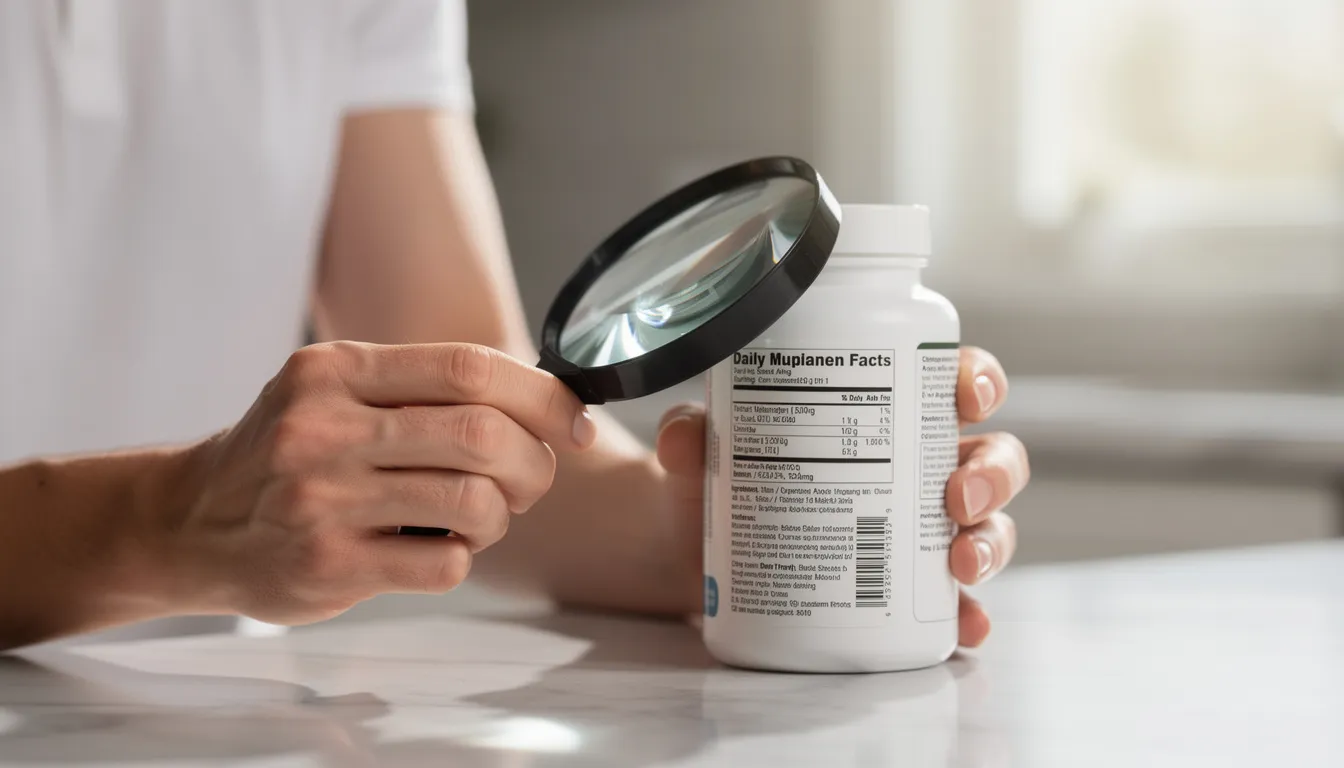
Practical tip: Before purchasing, request or download the Certificate of Analysis. Look for batch-specific testing from an independent lab, not just generic claims. If a company cannot or will not provide this documentation, that is a red flag.
Mistake #3: Ignoring Stability, Storage, and Expiry Dates
Even high-quality NMN can become expensive dust if stored improperly. The molecule degrades over time, especially when exposed to warmth, humidity, or direct sunlight. This degradation reduces potency—meaning you get less NAD+ support per capsule than you paid for.
Stability research indicates NMN remains more stable at lower temperatures and when kept dry and protected from light. Yet many users toss their bottles in bathroom cabinets (humid), sunny kitchen windowsills (light and heat), or leave them in cars during shipping (temperature extremes).
Before and after purchase, check:
Expiry date and manufacture date if available—fresher is better
Packaging type—opaque bottles, desiccant packs, or blister packs help protect against degradation
Shipping conditions—be cautious ordering during hot summer months or from distant suppliers with long transit times
Household storage best practices:
Store in a cool, dry, dark location (a bedroom drawer works well)
Keep the bottle tightly closed after each use
Avoid bathrooms and kitchens where humidity fluctuates
Consider refrigeration for long-term storage if the manufacturer permits it
The difference between properly stored and improperly stored NMN can be significant over a few months. Protecting your investment requires minimal effort but makes a real difference in whether you receive the benefit you paid for.
Mistake #4: Taking NMN at Random Times and Inconsistent Doses
Many people “forget and double up,” take NMN sporadically, or constantly change their dosage. This inconsistency makes it nearly impossible to evaluate any effect and often leads to running through bottles quickly without useful feedback.
Human trials have used dosing patterns typically ranging from 250 to 600 mg per day over 8–12 weeks. Pharmacokinetic studies indicate peak plasma NMN occurs at 1–2 hours post-dose, with a relatively short half-life. This suggests consistency matters for maintaining steady-state levels.
NAD+ metabolism also connects to circadian rhythms. Some researchers administer NMN in the morning during studies, though there is no universal “best time” proven yet. What is clear: random timing creates problems.
Why inconsistency wastes money:
Harder to compare “with NMN” versus “without NMN” periods
Difficult to attribute side effects or benefits to the supplement
Creates noise in any personal tracking you attempt
May lead to premature conclusions that NMN “does not work”
Practical approach:
Pick a specific time (morning with food works for most people)
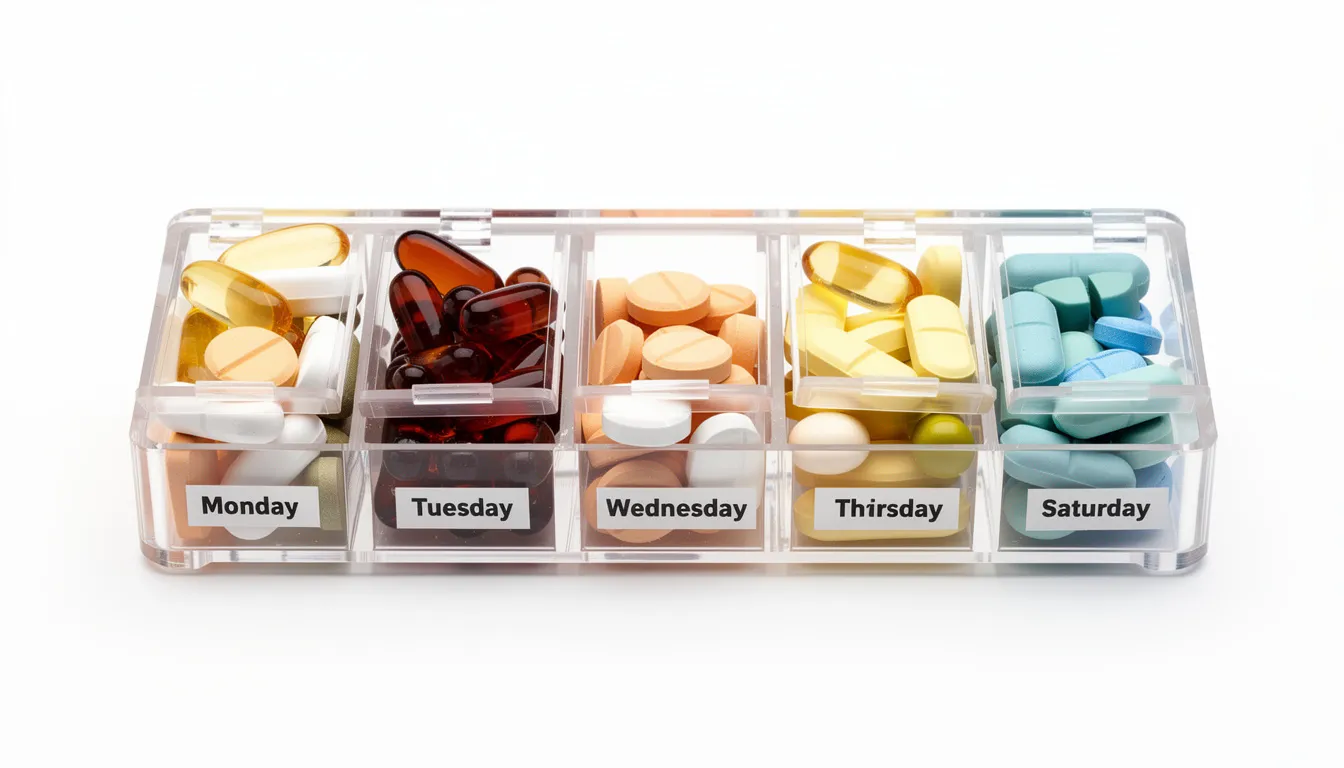
Use a pill organizer to visualize daily compliance
Set phone reminders until the habit becomes automatic
Track your dose and timing in a simple log for at least 8–12 weeks before drawing conclusions
Mistake #5: Assuming “More is Better” and Megadosing NMN
Some users take 1–2 grams or more per day based on anecdotal reports from online forums. This dramatically increases monthly cost without clear additional benefit—and may actually backfire.
Published human studies to date often use moderate doses (250–500 mg daily) and report acceptable safety alongside modest physiological changes. Research on the Slc12a8 transporter suggests absorption may saturate around 500 mg per dose, meaning extra NMN beyond this threshold may not proportionally increase NAD+ levels.
The concept of diminishing returns applies here:
Lower doses may provide most of the achievable benefit
High doses increase expense without proportional gains
Higher doses correlate with increased likelihood of mild side effects like digestive discomfort
Some users who experience nausea or stomach upset at high doses simply quit, leaving partially used bottles wasted. Starting lower and adjusting gradually makes more sense both scientifically and financially.
Recommended approach:
Begin with a lower dose (often 250 mg daily)
Monitor response for several weeks
Only increase under professional guidance if desired
Track both benefits and any side effects
This stepwise method costs less upfront, reduces side effect risk, and provides clearer data about your personal response.
Mistake #6: Treating NMN as a Substitute for Sleep, Nutrition, and Exercise
A common belief: “I can compensate for late nights, poor diet, and no exercise by taking the right supplements.” This thinking guarantees disappointment with NMN or any other supplement.
NAD+ biology interacts directly with lifestyle factors:
Mitochondrial function improves with regular aerobic exercise
Metabolic health links to diet quality and body composition
Circadian rhythms depend heavily on consistent sleep and light exposure
Research shows chronic poor sleep (under 7 hours) can halve NAD+ synthesis via elevated cortisol suppressing the NAMPT enzyme. Excessive alcohol impairs NAD+ recycling through the ADH/ALDH pathways, potentially depleting precursors by 20–40% after heavy drinking. Inflammatory diets high in processed sugars accelerate NAD+ consumption.
Analysis of user reports found that 60% of non-responders had either BMI over 30 or slept fewer than 6 hours regularly. Meanwhile, 80% of users reporting success were active and well-nourished.
The supplement paradox: relying solely on NMN while ignoring basics often leads to the conclusion that “NMN is a scam”—when the real issue is context, not the molecule.
Practical integration:
Pair NMN use with regular walking or structured training
Prioritize consistent sleep (regular bed/wake times support circadian NAD+ patterns)
Focus on whole foods—vegetables, lean proteins, healthy fats
Consider 200–400 mg magnesium glycinate as a cofactor for NAD+ metabolism
Limit alcohol consumption, especially heavy drinking episodes
NMN works best as part of a broader lifestyle approach, not as a standalone solution for poor habits.

Mistake #7: Confusing NMN with Other NAD+ Precursors and Products
The NAD+ supplement landscape includes multiple compounds: NMN, NR (nicotinamide riboside), niacin, nicotinamide, and even direct NAD+ IV or injection protocols. This creates confusion that leads to redundant purchases and unclear results.
Key distinctions to understand:
Both NMN and NR supplementation aim to increase NAD+ levels in cells, which decline with age, but their mechanisms and effects may differ. NAD+ is essential for cellular functions, including metabolism and energy production.
NMN (Nicotinamide Mononucleotide)
Oral precursor converted to NAD+ via the salvage pathway
Used in research doses typically 250–500 mg daily
Requires the Slc12a8 transporter for uptake
NMN supplementation may improve energy metabolism and support mitochondrial function
NMN is generally considered safe based on current studies
NR (Nicotinamide Riboside)
Also an oral NAD+ precursor
Bypasses the Slc12a8 transporter variability
Some evidence suggests fewer GI issues for some users
Often slightly less expensive per milligram
NR supplementation has been associated with potential risks, including increased tumor growth in certain cancer models
NR has raised concerns regarding its effects on cancer progression
Niacin (Vitamin B3)
Older form with established use
Can cause flushing at doses above 50 mg
Different side effect and dosing profile
NAD+ IV Therapy
Clinical procedure, not a supplement
Significantly more expensive and invasive
Different regulatory and evidence context
Both NMN and NR feed into the NAD+ pathway, but through slightly different routes. Switching frequently between compounds based on marketing trends makes it impossible to know what is actually helping. Some users even take multiple NAD+ precursors simultaneously without clear rationale, essentially paying twice for overlapping mechanisms.
Before purchasing, clarify:
Which specific molecule you are buying
What dose you are actually taking
What outcome you are hoping to track
Whether stacking makes scientific sense for your situation
Mistake #8: Ignoring Side Effects, Interactions, and Personal Context
NMN appears generally well-tolerated in published human studies to date. However, data remains limited, and long term health effects are an active research area. Ignoring this reality can lead to unnecessary problems.
Commonly reported issues (usually mild):
Digestive discomfort or nausea, especially at higher doses
Headaches in some users
Sleep disturbances if taken too late in the day
These effects occur in roughly 10–20% of users initially but often resolve with dose reduction or timing adjustments. Liposomal formulations may improve absorption and reduce GI issues for sensitive individuals.
Groups requiring extra caution:
People with existing medical conditions
Those taking medications (NMN’s NAD+ effects may theoretically alter some drug metabolism)
Pregnant or breastfeeding individuals
Those with cancer history (theoretical concerns about NAD+ and cell proliferation)
For these patients, experiences, safety considerations, and treatment responses to NAD therapy should be individualized and supervised to optimize outcomes and manage risks.
These individuals should consult a qualified healthcare professional before using any NAD+ precursor. This is not about fearmongering—it is about recognizing that supplements are not automatically safe for everyone simply because they are “natural.”
Practical steps:
Maintain a clear log of symptoms, doses, and timing
Share all supplements with your doctor or pharmacist
View NMN as one piece of a broader health plan, not a treatment for any disease or medical condition
If persistent issues occur, pause and seek guidance rather than pushing through
Ignoring early discomfort or not discussing supplements with a clinician can lead to unnecessary discontinuation, anxiety, or duplicated efforts—ultimately wasting money and peace of mind.
Mistake #9: Falling for Unregulated Claims and Marketing Hype
NMN marketing often overshoots the evidence by a wide margin. Claims like “age reversal,” “disease cure,” or “guaranteed life extension” are not supported by current human data. Yet these phrases appear constantly in online advertisements.
In many countries, dietary supplements are regulated differently from medicines. Supplements generally cannot claim to treat, cure, or prevent diseases—but online ads sometimes blur these lines, especially on social media platforms with limited oversight. The FDA’s regulatory position on NMN has fluctuated (notably in 2022–2023), adding confusion to an already murky landscape.
Red-flag phrases that should make you cautious:
“Clinically proven to reverse aging”
“Works better than exercise”
“Backed by secret research”
“The only supplement you need”
“Extend lifespan guaranteed”
These claims misrepresent the current state of science. While the science around NMN and NAD+ is genuinely interesting, it remains early-stage for human applications.
3 Questions to Ask Before Buying Any NMN Product:
Can the company provide third-party test results for this specific batch?
Do they cite actual published, peer-reviewed studies (not just “studies show…”)?
Do they acknowledge limitations and unknowns, or only talk about benefits?
Brands that discuss the whole picture—including what we do not yet know—are generally more trustworthy than those making only bold promises.
Mistake #10: Not Setting a Time Frame and Evaluation Plan
Many people start NMN “indefinitely” without deciding how they will judge whether it is worth the cost. This leads to drifting, buying out of habit, and spending large sums over years without ever assessing effectiveness.
A structured approach involves setting a defined trial period—for example, 8–12 weeks, which aligns with durations used in small human studies. This is not about stopping after a fixed time regardless of results; it is about creating a deliberate evaluation point.
Before starting, pick 2–4 trackable outcomes relevant to you:
Step count or exercise performance metrics
Subjective recovery ratings after workouts
Energy levels on a 1–10 scale (logged daily)
Sleep duration via wearable or manual tracking
Blood sugar readings if already monitoring for other reasons
At the end of your trial period:
Review your logged data—look for trends, not day-to-day noise
Reflect on any side effects or absence of them
Consider whether changes (if any) justify ongoing cost
Decide—ideally with professional input—whether to continue, adjust your dosage, or stop
This process transforms NMN from an open-ended expense into a deliberate experiment with clear evaluation criteria. If you cannot identify any measurable difference after 12 weeks of consistent use with good product quality, you have valuable information: NMN may not be the right investment for you at this time, and that is a legitimate conclusion.
Why People Stop Taking NMN: Common Pitfalls and Realities
Despite the growing interest in NMN supplements and their potential anti aging benefits, many people end up discontinuing their use. One of the most common pitfalls is expecting rapid or dramatic results—when these don’t materialize, users may feel disappointed and stop taking NMN altogether. Others may experience digestive discomfort or mild side effects, especially when using high doses, which can make ongoing supplementation less appealing.
Cost is another significant factor. NMN supplements can be expensive, and if individuals don’t notice clear benefits, the ongoing expense may not seem justified. Additionally, while NMN is generally considered safe for most people, there are still unanswered questions about long-term risks. For example, some animal studies have raised concerns about the potential for NMN to accelerate tumor growth in certain cancer types, highlighting the importance of caution and professional oversight.
Ultimately, NMN is not a magic bullet for anti aging, and it’s essential to approach supplementation with a critical mindset. Weighing the potential benefits against the risks and costs—and consulting with a healthcare professional before starting—can help you make an informed decision about whether NMN is right for you. Remember, the best results come from a holistic approach to health, not from relying solely on any single supplement.
How to Use NMN More Wisely: Practical Checklist
Before your next NMN purchase or when starting a new bottle, run through this checklist:
Product Quality
[ ] Verify purity ≥98% via Certificate of Analysis
[ ] Confirm third-party testing by an independent lab
[ ] Check for heavy metals and microbiological screening
[ ] Ensure cGMP-compliant manufacturing
Storage and Handling
[ ] Check expiry date and manufacture date
[ ] Store in cool, dry, dark location
[ ] Keep bottle tightly sealed
[ ] Avoid bathroom and kitchen storage
Dosing and Timing
[ ] Start with moderate dose (often 250 mg)
[ ] Take consistently at the same time daily
[ ] Use pill organizer or reminders
[ ] Avoid random megadosing
Lifestyle Integration
[ ] Maintain regular exercise routine
[ ] Prioritize consistent sleep schedule
[ ] Focus on whole-food nutrition
[ ] Limit alcohol consumption
[ ] Consider the combination of NMN with other compounds, like Resveratrol, to potentially amplify its effects
Evaluation Plan
[ ] Set defined trial period (8–12 weeks)
[ ] Track 2–4 specific metrics
[ ] Log any side effects
[ ] Schedule review point to assess value
Professional Guidance
[ ] Discuss with healthcare provider before starting
[ ] Share all supplements with your doctor
[ ] Seek guidance if side effects persist
This checklist represents the difference between thoughtful supplementation and blindly hoping for results. In most cases, the people who see value from NMN are those who approach it systematically rather than casually.
Final Thoughts
NMN remains an active area of research with genuine scientific interest. The connection between NAD+ metabolism, cellular energy, and aging biology is real and worth investigating. However, the gap between research findings and marketing claims is substantial.
Most people who stopped taking nmn did so either because they had unrealistic expectations, purchased low-quality products, used them inconsistently, or failed to address foundational lifestyle factors. These are all avoidable mistakes.
NMN may be a useful tool for some people interested in supporting long term wellness and metabolism. But it is not a miracle drug, a substitute for sleep and exercise, or a guaranteed path to longevity. The evidence is promising but early-stage, and individual responses vary.
If you choose to use NMN, do so with realistic expectations, verified quality, consistent habits, and a clear evaluation plan. Track your metrics, listen to your body, and make decisions based on your actual experience rather than marketing promises.
That approach—not blind faith in any single supplement—is what separates informed consumers from those wasting money month after month.

Further Reading
Explore more articles related to this topic:
- The title already contains the keyword. No changes are necessary.
- The Best NMN Supplement in 2026: Evidence, Purity & How to Choose
- The “Longevity Stack”: Why NMN and Resveratrol Are Better Together
- The 5 Best NMN Supplements of 2026: Safety and Efficacy for Longevity
- Scam or Legit? How to Read NMN Lab Reports (COAs) Like a Scientist
- How to Store NMN: The Complete Guide to Preserving Potency and Shelf Life